
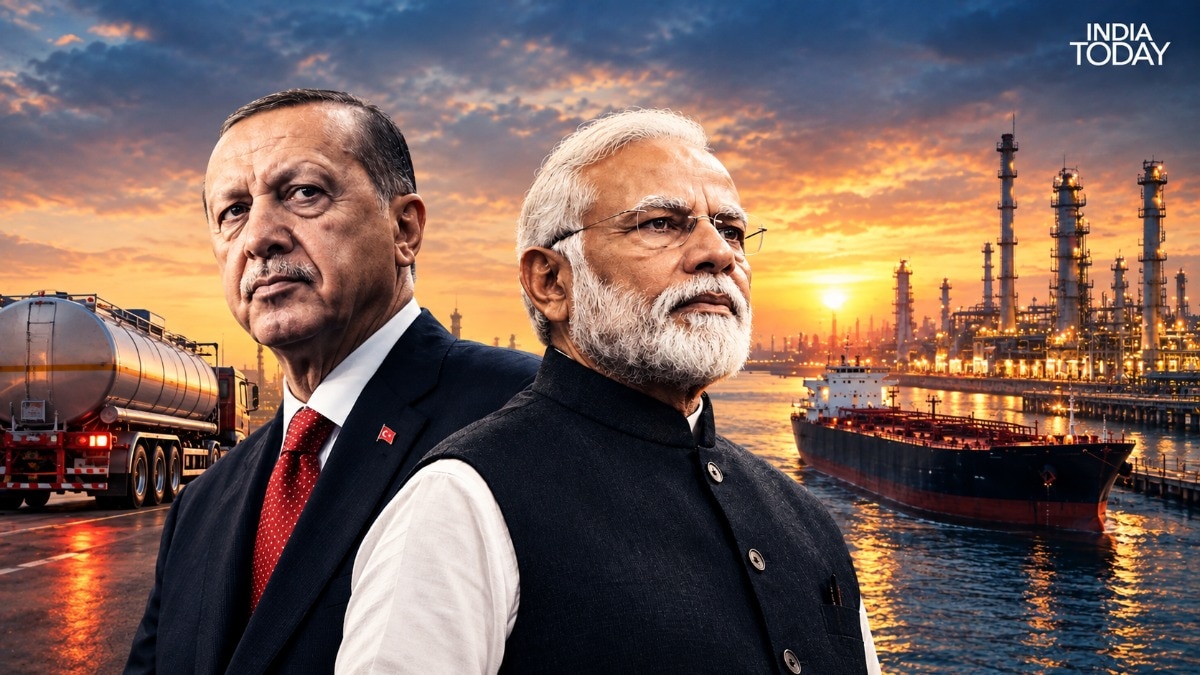
India and the United States have emerged as the leading suppliers of diesel to Turkey, a significant shift as Turkey seeks to reduce its dependency on Russian fuel imports. This change is particularly crucial given that Russian refineries have faced disruptions due to ongoing tensions with Ukraine. In light of the escalating situation, Turkey’s reliance on Indian and American diesel has grown substantially. However, there are concerns that U.S. President Donald Trump’s recent statements about halting diesel exports might force Turkey to lean even more heavily on India for its fuel needs.
Shifts in Turkey’s Diesel Suppliers
For years, Turkey has primarily depended on Russia for its diesel supply. However, in August, following a noticeable drop in Russian fuel deliveries and disruptions in Middle Eastern supplies, Turkey significantly increased its imports from India and the U.S. According to data from Kpler, India became the more substantial supplier, providing over 120,000 barrels per day (bpd), compared to the U.S.’s 90,000 bpd. Both figures marked unprecedented monthly highs, showcasing a pivotal change in the fuel supply landscape for Turkey.
In 2025, prior to the conflict’s escalation, Russia was responsible for around 85% of Turkey’s diesel imports, supplying nearly 281,000 bpd. But by August, this number plummeted to around 80,000 bpd, drastically reducing Russia’s share to approximately 20%. Consequently, Turkey was compelled to seek alternative diesel sources in response to this supply gap.
Impact of Proposed U.S. Export Restrictions
With Trump now backing a proposal to potentially halt diesel exports from American refineries, questions arise regarding Turkey’s future fuel sourcing. If the U.S. pulls back its diesel supply, Turkey may find itself increasingly dependent on India. Trump’s remarks reflect a growing sentiment among U.S. lawmakers advocating for prioritizing domestic diesel supplies, citing surging prices affecting American farmers and consumers. Senate and House Republicans are rallying for measures that could restrict or entirely stop diesel exports, aiming to stabilize domestic fuel prices before the critical midterm elections.
The implications of such a ban are extensive. While Turkey does have other options, including its domestic refineries and various international suppliers, a U.S. export restriction could elevate India’s role as a key supplier. During August, estimates from the UK-based data firm Energy Aspects indicated that imports from India reached approximately 74,000 bpd, marking the highest level of diesel shipments from both India and the U.S. in years. Thus, uncertainty around U.S. exports significantly impacts Turkey’s strategic fuel planning.
Political Ramifications in the U.S. and Beyond
The political backdrop in the U.S. adds complexity to the fuel supply dynamics. With diesel prices climbing to over $6 per gallon and inventories dipping below the seasonal average, there is pressure for American lawmakers to take immediate action. Politicians have been vocal about keeping American fuel within the domestic market to support American farmers and consumers. The urgency of these calls is further emphasized by approaching elections, where rising energy costs pose a serious challenge for candidates across party lines.
Compounding the situation, Turkey’s ongoing adjustments in fuel supply dynamics come at a precarious time, with its traditional reliance on Russia disrupted. The newfound relationship with India has reached record levels, yet the potential for the U.S. to halt exports complicates this evolving equation. If diesel from the U.S. becomes scarce, Indian diesel may fill the void, potentially reshaping Turkey’s energy landscape over the coming months.
In conclusion, the geopolitical climate surrounding diesel supplies is rapidly changing, with a pronounced impact on Turkey’s fuel strategy. As the country navigates these challenges, the role of India in Turkey’s energy supply chain is likely to become even more pivotal. Understanding these dynamics is relevant not only for Turkey but also for global energy markets, which are increasingly interconnected and influenced by evolving political landscapes.