
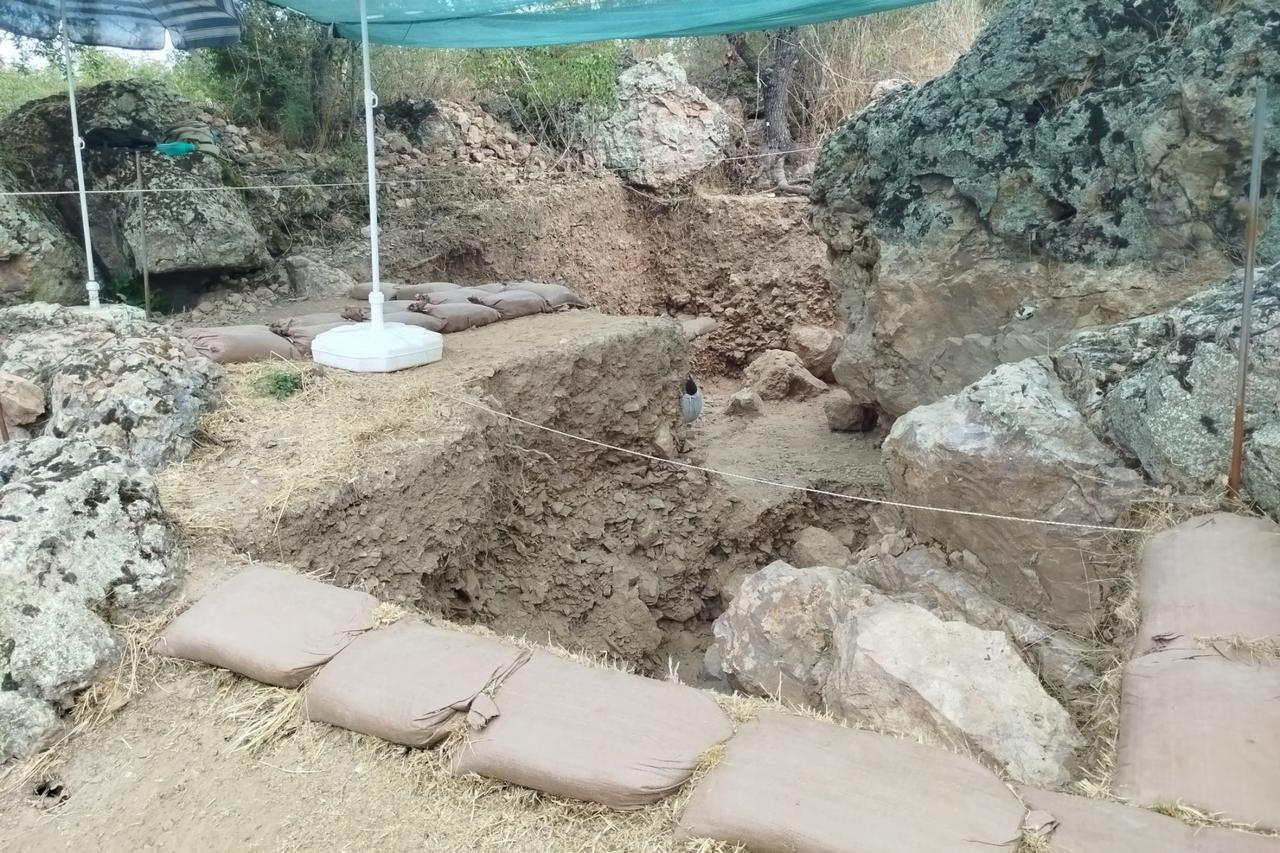
Archaeological efforts at Inkaya Cave in northwestern Türkiye are shedding light on human activities that date back 86,000 years. Researchers aim to uncover a comprehensive understanding of the cave’s prehistoric environment through the innovative use of environmental DNA (eDNA) analysis. This approach allows for insights into past ecosystems even in the absence of preserved biological remains.
Environmental DNA: A Key to Ancient Ecosystems
The excavation at Inkaya Cave, which has been ongoing since 2017 under the guidance of Professor Ismail Ozer from Ankara University, has revealed approximately 43,000 chipped stone artefacts. However, despite these significant finds, organic remains of humans, animals, or plants have yet to surface. To bridge this gap, scientists plan to collect sediment samples from various excavation layers, utilizing eDNA techniques to uncover genetic material from ancient organisms. This analysis will help reconstruct the cave’s ecological history by identifying traces of plants, animals, and microorganisms that once thrived in the area.
The collaboration with Ankara University’s Evolutionary Genetics Laboratory and the Agrigenomics Hub is expected to yield valuable data. This initiative not only aims to enrich archaeological findings but also enhances our understanding of past life forms in this region. The genetic insights will provide a clearer picture of the cave’s former habitats and the biodiversity that existed thousands of years ago.
An Array of Paleolithic Artifacts
The variety of stone tools discovered at Inkaya Cave, including flakes, blades, scrapers, and hammerstones, points toward a long-term human presence during the Paleolithic era. These tools are made from materials such as flint and basalt, indicating advanced craftsmanship among early human societies. As research continues, archaeologists seek to understand how these communities lived, their dietary habits, and their behavioral patterns based on the artefacts found.
This archaeological work is crucial for understanding the cultural and practical aspects of life during the Paleolithic era when humans relied heavily on stone technology. Each discovery adds depth to our knowledge of how these early societies functioned within their environment and utilized resources available to them.
Expanding Excavation Areas and Future Prospects
The 2026 excavation season is focusing on a workshop area in the cave where it is believed that prehistoric people crafted these essential tools. The deposit at this site exceeds 3.5 meters in depth, suggesting a rich history of stone tool production. As excavation efforts deepen, researchers are also clearing an entrance that has become obstructed over time, allowing access to undisturbed layers of the cave.
In addition to the archaeological focus, the 2026 program will also enhance visitor experience through landscaping and informative panels. Though the cave was initially identified in a 2016 survey, it has progressed significantly, entering its 10th excavation season, with each passing year yielding more insights into ancient human life.
The Inkaya Cave project exemplifies the intersection of technology and archaeology, guiding us toward a deeper understanding of the human past. Through continued research and innovative methodologies, the findings can transform our comprehension of early human history and the ecosystems they inhabited.