
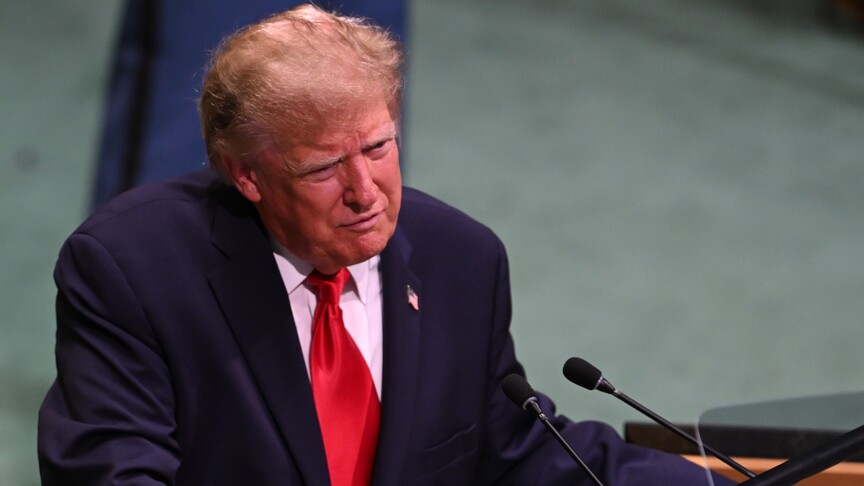
US President Donald Trump has declined a proposed seven-day ceasefire from Iran, anticipating further military operations after the upcoming midterm elections in November, according to a report from the Wall Street Journal (WSJ).
Iran’s Ceasefire Proposal
The report indicates that Iranian negotiators presented their ceasefire offer through intermediaries in Qatar, suggesting an end to the blockade of Iranian ports. This gesture included the possibility of reopening the strategic Strait of Hormuz and resuming nuclear negotiations. However, US officials have firmly conveyed that there are no intentions to lift the blockade anytime soon. They believe that maintaining economic pressure will eventually persuade Iran to come to the negotiating table on favorable terms for Washington.
The US Strategy
The Wall Street Journal cites insiders who reveal that Trump’s administration has been oscillating between diplomacy, military actions, and sanctions throughout the ongoing seven-month conflict. Internally, doubts are emerging regarding Tehran’s willingness to dismantle its nuclear program, despite its public assertions that a deal would be achievable after the elections. This uncertainty reflects a broader skepticism within US circles about the feasibility of diplomatic resolutions in light of Iran’s recent actions and statements.
Iran’s Response
In contrast, Iran’s Revolutionary Guard Corps has rejected these new settlement terms. Instead, they are advocating for terms that hark back to a preliminary agreement reached in June. This stance suggests that Iran is preparing for a prolonged conflict rather than conceding to US demands. The government’s firm position reflects a determination to resist external pressure, complicating the prospect of any immediate diplomatic breakthrough.
The Road Ahead
As tensions remain high, the situation presents numerous challenges for both sides. The US aims to leverage its position to compel Iran to adhere to its stipulations, while Iran is focused on maintaining a posture of resilience. The unfolding geopolitical dynamics will likely be influenced by both the outcome of the midterm elections and any forthcoming actions from either side. The international community will be closely monitoring these developments, as they hold significant implications for regional stability and diplomatic relations.
In conclusion, the refusal of a ceasefire offer by President Trump highlights the increasingly strained state of US-Iran relations. Both nations are entrenched in their respective positions, setting the stage for potentially heightened conflict as the political landscape evolves. The coming months will be pivotal in determining not only the future of diplomatic dialogue but also the broader implications for global peace and security.