
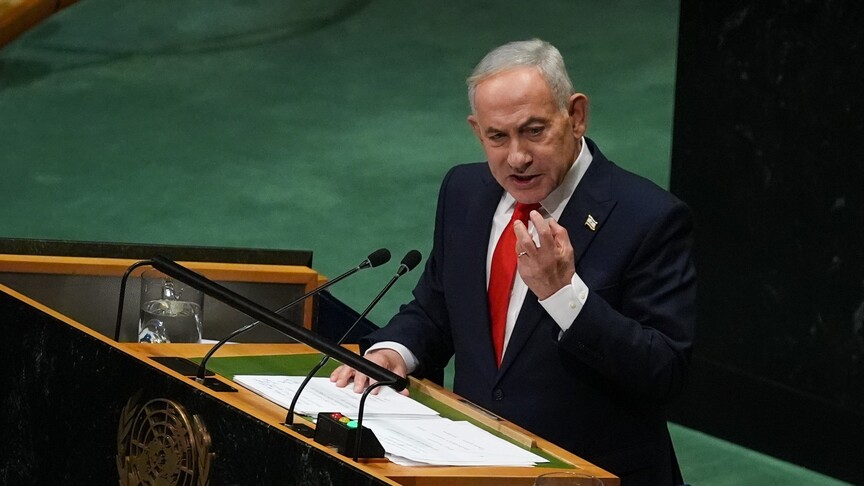
Israeli Prime Minister Benjamin Netanyahu’s oversight of a critical warning from United Arab Emirates President Sheikh Mohammed bin Zayed Al Nahyan has raised concerns ahead of the tragic events that unfolded on October 7, 2023. Reports reveal that this warning, which hinted at a potential major offensive by Hamas, was never communicated to Israel’s leading security officials.
Details of the Warning
According to a report by the New York Times, Sheikh Mohammed reached out to Netanyahu in late September 2023 to share intelligence about Hamas’s intentions. While the details of the warning were not crystal clear—lacking specifics on whether the attack would involve rocket fire or ground operations—the message was urgent and significant. Nevertheless, five former senior officials indicated that this crucial information did not reach the upper echelon of Israel’s security establishment.
Netanyahu’s Response
In the days following the warning, Netanyahu convened a meeting with his security chiefs on October 1 to discuss the situation in Gaza. However,what is striking is that the Emirati warning was notably absent from his briefing. Instead, Netanyahu chose to advocate for maintaining calm in Gaza, pushing back against suggestions from some security advisors who recommended considering military action against Hamas leaders. His rationale was that engaging in military operations could jeopardize initiatives aimed at cultivating diplomatic ties with Saudi Arabia.
Netanyahu’s Denial and Implications
In response to earlier reports, Netanyahu has categorically denied that he received any warning from the Emirati President. This denial comes after an initial report by the Israeli newspaper Haaretz, which first unveiled the alleged communication. The implications of this oversight are profound, especially as further details emerged with Sheikh Mohammed later referencing the warning in a conversation with William Burns, the then-CIA Director.
Consequences of Inaction
As events unfolded in October, the security community and general public have begun to scrutinize the actions—or inactions—of Netanyahu and his administration. Failing to relay a clear warning from a key regional ally not only calls into question the effectiveness of Israel’s intelligence-sharing mechanisms but also raises alarms about the broader implications for national security. The incident may have also hindered prospects for regional stability and diplomatic endeavors that are critical for Israel’s long-term security strategy.
In summary, the failure to pass on a crucial warning from the UAE President serves as a stark reminder of the complex dynamics within regional politics and security. As Israel reflects on the events following the October 7 attack, the need for improved communication channels and threat assessment mechanisms is evident. It is vital for the Israeli leadership to reassess its strategic approach to ensure that such vital information does not fall through the cracks again in the future.