
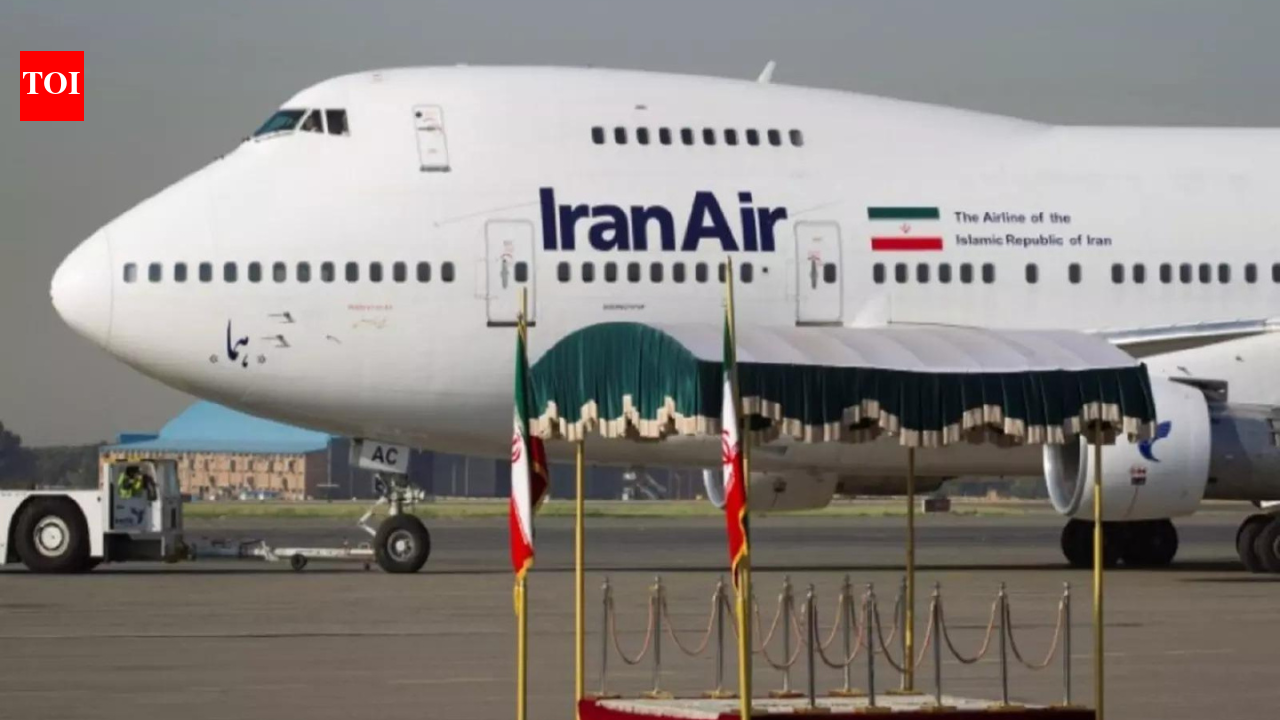
The United Arab Emirates (UAE) has taken significant steps to suspend all flights operated by Iranian airlines. This decision marks the latest development in a series of actions by various countries in response to extensive US sanctions aimed at Iran’s aviation industry. The UAE’s General Civil Aviation Authority announced the measure, emphasizing that it aligns with the sanctions imposed by the US which have severely affected Iran’s ability to operate in international aviation.
UAE Joins the Global Trend of Restricting Iranian Flights
Following in the footsteps of Oman, Iraq, Azerbaijan, Georgia, and Turkmenistan, the UAE has joined a growing list of nations limiting access for Iranian airlines. Dubai, a central hub for air travel, has been a popular destination for these carriers, with numerous daily flights scheduled between Iran and the UAE. This suspension comes at a critical time, as it impacts the large Iranian community residing in the UAE and the strong commercial ties the two countries share. Just recently, a flight operated by Iran Airtour from Tehran to Dubai was abruptly cancelled, leaving passengers stranded despite having already purchased tickets.
Impact of US Sanctions on Iran’s Aviation Sector
The US Treasury’s recent sanctions aimed at Iran’s aviation sector have targeted 27 airlines and a multitude of associated companies alleged to support them. The sanctions are designed to hinder Iran’s international air connectivity and have raised concerns about the financial repercussions for global airports and companies that continue to service these airlines. Those providing services to the affected Iranian carriers face potential exclusion from the US dollar financial system, thereby intensifying the impact of these restrictions. As a result, Iran has voiced strong opposition to the sanctions and is engaging in diplomatic talks in an effort to restore its flight routes.
Iran’s Response and Future Prospects
In light of these developments, Iran is actively pursuing negotiations to lift the imposed restrictions and revive its suspended flights to the UAE. Majid Akhavan, spokesperson for Iran’s Civil Aviation Organization, has indicated that discussions are ongoing with the aim of resolving the current situation. These efforts demonstrate Iran’s commitment to maintaining its presence in international aviation, despite the significant challenges posed by US sanctions and the subsequent actions taken by the UAE and other nations.
The suspension of flights not only highlights the strained relations between the US and Iran but also the broader geopolitical dynamics at play in the region. As more countries align with the US’s stance on sanctions, the implications become increasingly significant for both the aviation industry and the Iranian economy. With the UAE’s strategic position as a transportation hub, its decision could set a precedent for further restrictions by other nations, reshaping the landscape of Middle Eastern air travel.
As these developments unfold, the international community will be closely watching how Iran navigates these challenges and whether diplomatic engagements can pave the way for a normalization of its aviation operations.