
The recent surge in Houthi missile and drone attacks has prompted Saudi Arabia, Turkey, and Pakistan to convene an urgent high-level meeting under the Mecca Joint Defence Agreement. This collaboration aims to strategize support in response to threats that have disrupted Saudi oil operations and endangered major urban centers, including the sacred cities of Mecca and Jeddah.
Escalation of Attacks
The Houthi forces have claimed responsibility for launching numerous missiles and drones targeting Saudi installations. In recent encounters, Saudi defense systems successfully intercepted six ballistic missiles, leading to emergency alerts across critical oil ports and religious sites. This uptick in aggression has raised international concerns, as these attacks not only endanger infrastructure but also pose a significant risk to civilians and the surrounding communities.
Humanitarian Crisis in Yemen
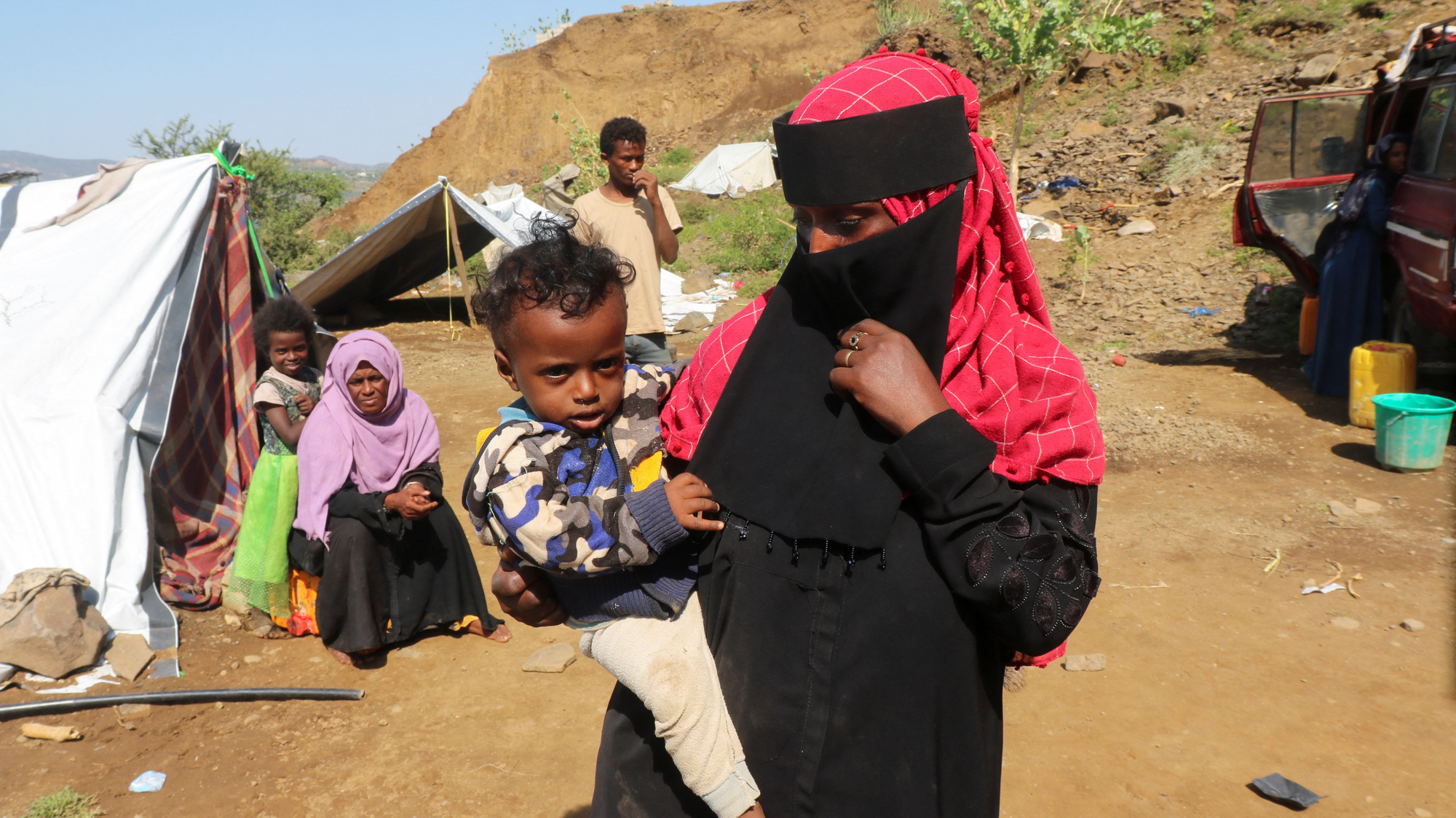
In addition to the military engagements, the humanitarian situation in Yemen has deteriorated significantly, as highlighted by the UN High Commissioner for Human Rights, Volker Turk. His recent statements reveal that renewed fighting has resulted in 32 civilian casualties, including 15 children, since August alone. The ongoing strife has displaced over 130,000 individuals, underscoring the severe implications of the conflict on innocent lives and public health.
Furthermore, the UN’s findings indicate that the Houthis have targeted sites housing displaced individuals, exacerbating the humanitarian emergency. These attacks raise serious ethical questions about the conduct of war and the protection of vulnerable populations. Moreover, the detention of more than 70 UN personnel by Houthi forces adds another layer of complexity to the already troubled situation.
UN’s Role and Houthi Accusations
The relationship between the UN and the Houthi leadership has become increasingly strained. Houthi spokesman Mohammed Abdulsalam has publicly criticized the UN, alleging bias in their reports while denying accountability for the civilian casualties resulting from their operations. Such rhetoric complicates diplomatic efforts aimed at ending the conflict and highlights the challenges in achieving a balanced approach to mediation.
Both local and international stakeholders need to address these allegations transparently, as the credibility of humanitarian organizations is crucial in conflict zones. The ongoing cycle of violence and retaliatory measures demonstrates the necessity for a comprehensive strategy that prioritizes diplomacy, accountability, and, importantly, the welfare of civilians caught in the crossfire.
Call for International Support
As the situation continues to evolve, there is an urgent need for international cooperation to mitigate the risks associated with this prolonged conflict. The high-level meeting convened by Saudi Arabia, Turkey, and Pakistan marks a significant step toward coordinated action. However, a wider strategy involving humanitarian aid and the protection of civilians must accompany military responses to ensure long-term stability in the region.
In conclusion, the escalating conflict, exacerbated by Houthi aggression and the severe humanitarian crisis, demands immediate and decisive action from both regional actors and the international community. Only through collaborative efforts aimed at defending human rights and promoting peace can the cycle of violence in Yemen be effectively addressed.