
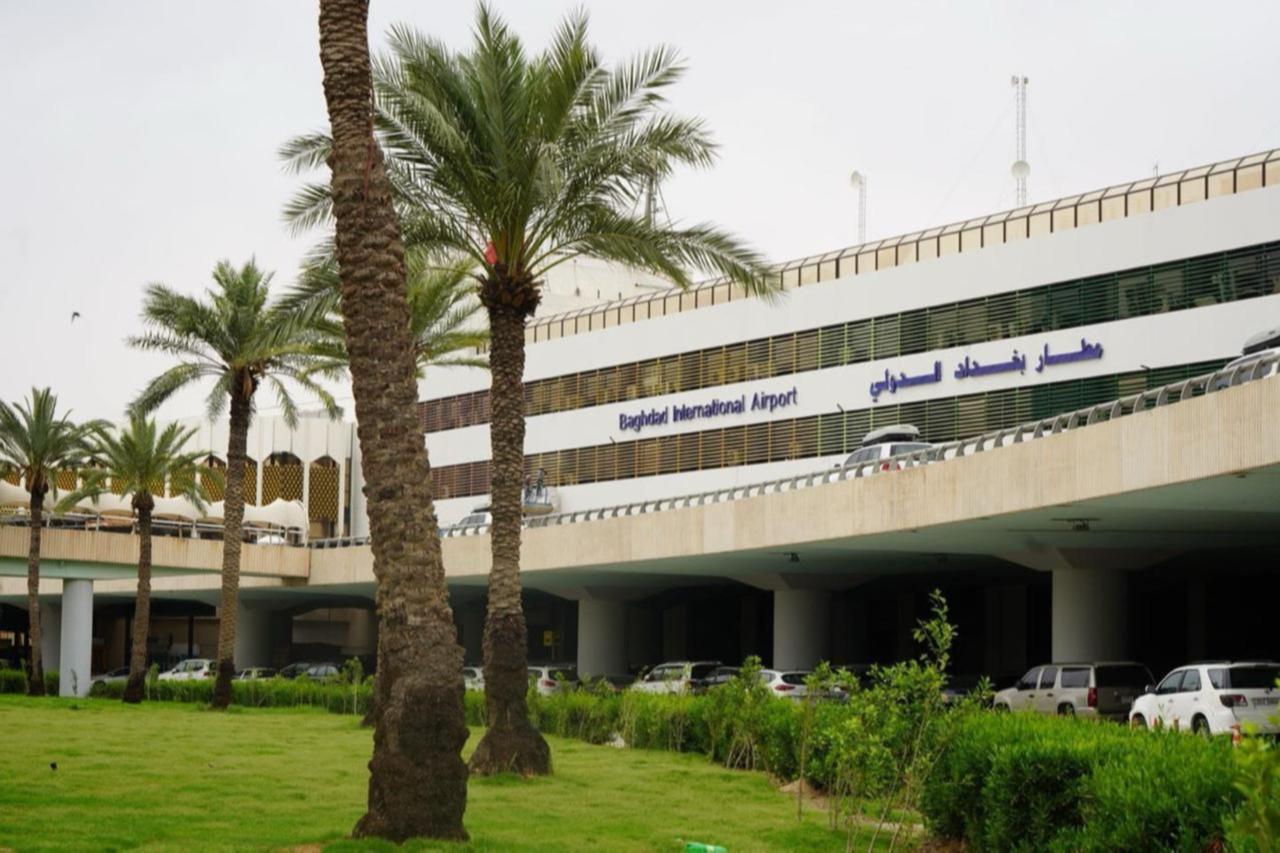
The United States has officially handed over its diplomatic and logistical operations at Baghdad International Airport to the Iraqi government, marking a significant transition as part of the broader troop withdrawal strategy. This transfer, announced by Iraq’s foreign ministry, signifies the end of a crucial chapter influenced by ongoing tensions with Iran-backed armed groups that frequently targeted the site during the recent conflicts in the Middle East.
Handover Details and Implications
On September 24, 2026, the agreement between U.S. charge d’affaires Steven Fagin and Iraqi officials finalized the transition of the support center that had been associated with the U.S. embassy. This step is part of a larger initiative aimed at concluding the military footprint of the U.S.-led coalition in Iraq, with the complete withdrawal of remaining military personnel anticipated by September 30. The Baghdad airport facility had been one of the most attacked U.S. positions, illustrating the significant challenges faced by foreign troops in the region amid persistent calls for their exit from local factions. Reports indicate that American troops have already vacated the premises in preparation for this formal handover.
Background on Coalition Presence
The coalition’s military involvement originated from a 2024 agreement between Baghdad and Washington, which aimed to reduce the coalition’s efforts against the Islamic State group. This campaign had initially seen a substantial influx of international forces during the peak of the militants’ power in the mid-2010s. Since the agreement, coalition troops have been steadily withdrawn from multiple bases, with a remaining presence only at Erbil Airport in northern Iraq. The continued stationing of foreign forces, particularly after the military defeat of the Islamic State, has been a source of contention between the Iraqi government and factions supported by Tehran.
Government Responses and Future Projections
Prime Minister Ali al-Zaidi, who assumed office earlier this year, has committed to reinforcing the authority of the state over armed groups and ensuring their disarmament. Iraqi officials assert that this finalization of the coalition’s mission removes a key rationale that these armed factions had used to justify maintaining their weapons caches. By framing the U.S. troop withdrawal as an opportunity to solidify state authority, the government aims to foster a more stable and unified approach to managing armed groups across the country.
The implications of this transition are profound for both Iraq and its foreign relations. The Iraqi government’s focus on controlling armed factions aligns with broader regional strategies to minimize influence from external actors. As the landscape continues to shift, Iraq’s internal security and political dynamics will be closely scrutinized, given the potential for power vacuums and the resurgence of militant activity.
In summary, the handover of Baghdad International Airport’s operations to Iraq marks a pivotal development in the country’s military and diplomatic evolution, underscoring the ongoing shift away from foreign military presence and towards greater national sovereignty. The effectiveness of this approach will be evaluated as the government navigates challenges related to disarmament and the stabilization of various armed groups.