
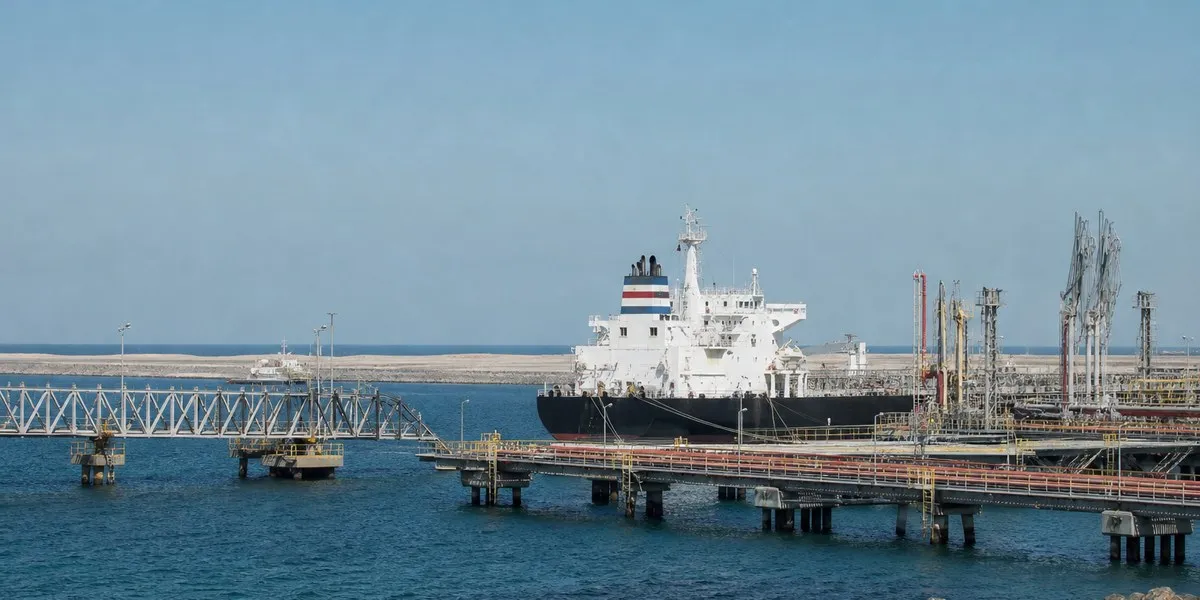
In the current landscape of global oil prices, geopolitical tensions and supply security concerns are dominating the market narrative. As of late, Brent crude oil prices have seen fluctuations, concluding at approximately $105.65 per barrel—up from earlier prices near $102 at the week’s onset. Conversely, U.S. West Texas Intermediate (WTI) crude experienced a dip, landing at about $93.11, reflecting a drop from $98 earlier in the week. Despite these daily price adjustments, Brent appears on a trajectory for a weekly gain.
Missile Attacks on Yanbu
Recent developments involving Yemen’s Houthi rebels have escalated fears surrounding oil supply stability in Saudi Arabia. On Thursday, the Houthis claimed responsibility for a series of missile and drone assaults aimed at crucial locations, including Yanbu, a vital Red Sea port essential for Saudi oil exports. This situation has contributed to bolstering Brent crude prices, as markets are increasingly sensitive to disruptions in oil supplies from the Middle East.
Market analysts emphasize that risks stemming from geopolitical tensions are significant factors influencing oil prices this week. While there have been discussions of potential diplomatic agreements between the United States and Iran, traders remain skeptical. The ongoing instability considerably outweighs any optimistic forecasts regarding oil transportation through key trade routes, such as the Strait of Hormuz.
U.S.-Iran Diplomatic Talks
Amid these dynamics, reports suggest that the United States is engaging in dialogue with Iran regarding a possible ceasefire. Sources indicate that a deal might allow Iran to reopen the Strait of Hormuz if the U.S. decides to lift its naval blockade. This shift in geopolitical posture has generated mixed reactions among analysts. Some point out the significant implications this could have for oil markets if supplies become less disrupted.
Industry experts predict that oil prices could remain elevated, potentially exceeding the $100 mark per barrel, given the lack of a comprehensive resolution to current geopolitical tensions and a growing disparity in global oil inventories. June Goh, a senior oil market analyst at Sparta Commodities, stresses that these circumstances are likely to exert continued upward pressure on oil prices unless more definitive progress is made.
Market Outlook
Tim Waterer, chief market analyst at KCM Trade, highlights the role of ongoing diplomatic talks in balancing market pressures. While such dialogues provide a glimmer of hope for stabilizing oil prices, the market is urgently awaiting more persuasive indications of lasting de-escalation in tensions. Until significant agreements are reached, the potential for volatility in oil markets remains high. This uncertainty will likely keep oil prices fluctuating.
As the global oil market navigates through these tumultuous times, traders and consumers alike will be closely monitoring developments in the Middle East. The intertwined nature of supply security and geopolitical stability will remain pivotal in shaping oil pricing trends.