
Israeli Prime Minister Benjamin Netanyahu is set to convene a security meeting on Monday to discuss the impending arrival of a Turkish flotilla headed for the Gaza Strip. This high-stakes discussion comes in light of the Israeli military’s preparations to intervene, aiming to avert any violations of its naval blockade.
Concerns Over Upcoming Flotilla
Last week, fifty-seven vessels departed from Marmaris, Turkey, carrying hundreds of pro-Palestinian activists. If unimpeded, the flotilla is expected to arrive in the Gaza area by Tuesday evening. Israeli defense officials are particularly alarmed, fearing that this flotilla could exhibit heightened hostility compared to previous ones. This concern is driven in part by the identity of the participants as well as the involvement of the IHH organization, notorious for its role in the 2010 Mavi Marmara incident. During that confrontation, activists attacked Israeli commandos, resulting in violence and fatalities.
Israel’s Preparedness and Strategy
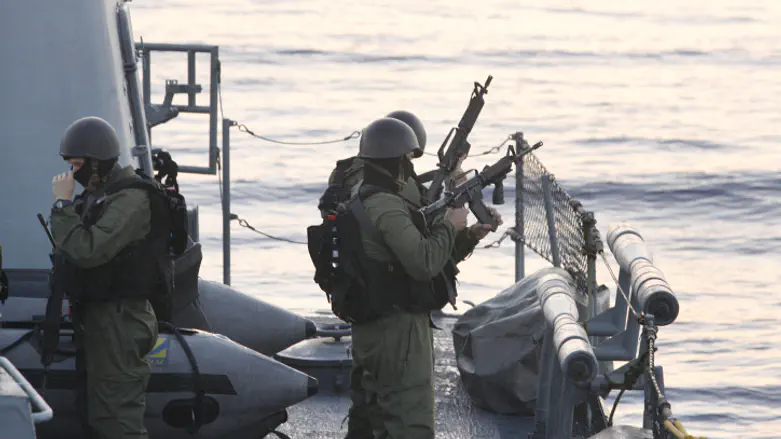
Israel has made it unequivocally clear that it will not allow these vessels to breach its naval blockade. In readiness for potential confrontations, the Israel Defense Forces (IDF) are gearing up for a physical intervention. Reports indicate that elite naval forces, including Shayetet 13 commandos, will be deployed for this operation. Additionally, a floating detention cell is reportedly being prepared on one of the ships, where activists may be held following their arrest should they ignore warnings to turn back.
In past encounters, such as the Mavi Marmara operation, Israeli forces faced extreme violence that necessitated a robust military response. Commandos were attacked with weapons, leading them to open fire in self-defense. Such history has undoubtedly influenced the current approach, reinforcing the necessity for a strategy that prioritizes safety.
Historical Context of Naval Confrontations
The 2010 Mavi Marmara incident remains a crucial reference point for Israeli officials as they assess the potential risks associated with the current flotilla. Initially ordered to divert to Ashdod, the Mavi Marmara, a ship at the forefront of that flotilla, refused to comply, leading to a direct confrontation. The violence that ensued caused international repercussions, straining Israel’s diplomatic ties with Turkey.
Investigations following the incident revealed that the Mavi Marmara was not transporting any humanitarian aid, contrary to claims made by those aboard. This revelation further complicated relations between Israel and Turkey, raising questions about the true motives behind such flotillas.
Looking Ahead: Implications for Israel and Turkey
As the situation unfolds, Netanyahu’s government faces not just a security dilemma but also a political one. The actions taken to manage the flotilla could have lasting impacts on Israel’s international standing and its relationship with Turkey. The effectiveness of the IDF’s operations may be scrutinized both domestically and abroad, potentially influencing future interactions with pro-Palestinian groups.
With a delicate balance between national security and diplomatic relations hanging in the balance, all eyes will be on Israel’s response to the Turkish flotilla. As events develop, the strategic decisions made by Israeli leaders will likely resonate well beyond the immediate conflict, shaping the geopolitical landscape for years to come.