
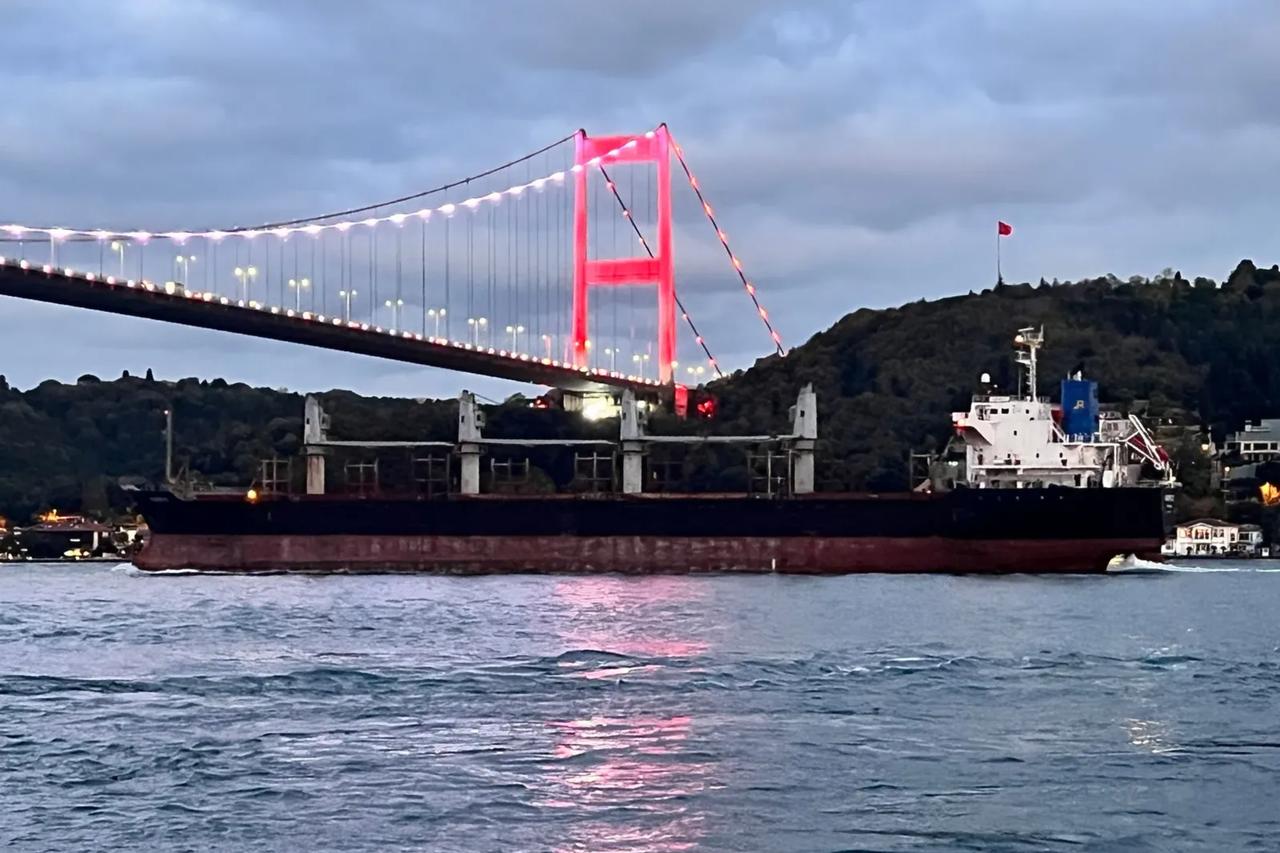
In recent developments, the Russian bulk carrier named Panormitis, which was reportedly transporting grain sourced from occupied Ukrainian territories, has been denied port entry by both Israel and Türkiye. This incident marks a significant moment in the ongoing geopolitical tensions surrounding the export of agricultural products from Ukraine.
The Situation with *Panormitis*
The Panormitis, laden with barley and wheat, has been anchored off the Turkish port of Iskenderun since May 13, 2026. This situation arose after an Israeli importer chose not to unload the cargo in Haifa due to concerns about its origin. Following this refusal, the vessel remained in limbo as authorities from both countries grapple with the implications of allowing such shipments. Ukrainian Ambassador to Israel, Yevgen Korniychuk, has expressed hope that Türkiye will align its actions with Israel’s stance against the shipment.
Ukrainian officials have made concerted efforts to persuade Türkiye to deny the ship entry, invoking international law and moral responsibility. According to Ambassador Korniychuk, both Ukraine’s Ministry of Foreign Affairs and the Prosecutor General’s Office actively advocated for this course of action. Meanwhile, Ukrainian Foreign Minister Andrii Sybiha and President Volodymyr Zelenskyy have criticized Israel for permitting the transit of what they consider stolen grain. Israeli Foreign Minister Gideon Saar has countered these allegations, claiming that Kyiv has not provided adequate evidence.
Türkiye’s Strategic Position
The standoff surrounding the Panormitis illustrates the complex balancing act that Türkiye must perform in the context of its relations with both Ukraine and Russia. Since the onset of the conflict, Ukraine has accused Russia of exploiting agricultural resources from the regions it occupies, particularly Crimea and Kherson. Given its unique geopolitical position, Türkiye has attempted to mediate between the warring nations, striving to maintain good relations with both Kyiv and Moscow.
Historically, Türkiye has played an essential role in securing grain exports through initiatives like the Black Sea Grain Initiative, which aimed to facilitate the safe transport of grains globally. However, it now faces increasing pressure from Ukraine and its Western allies to refuse the entry of vessels believed to be transporting contraband. The challenge lies in balancing these diplomatic relations while also safeguarding its own economic and strategic interests.
The Complexity of Maritime Trade
The situation underscores the intricacies involved in maritime trade, especially concerning agricultural commodities in conflict zones. As revealed in previous reports, Russia has resorted to a covert network of shipping methods designed to circumvent international scrutiny and sanctions. These tactics often include disabling automatic identification systems (AIS), falsifying shipping documents, and clandestine ship-to-ship transfers, which obscure the origins of the cargo.
As tensions persist, the international community remains closely watchful of these developments, especially as they pertain to global food security. The grain trade, vital for numerous countries, has frequently been a focal point in the broader geopolitical landscape involving Ukraine, Russia, and their allies. As this situation unfolds, it serves as a poignant reminder of the impacts of war on agricultural exports and the diplomatic maneuvers necessary to navigate such challenges.