
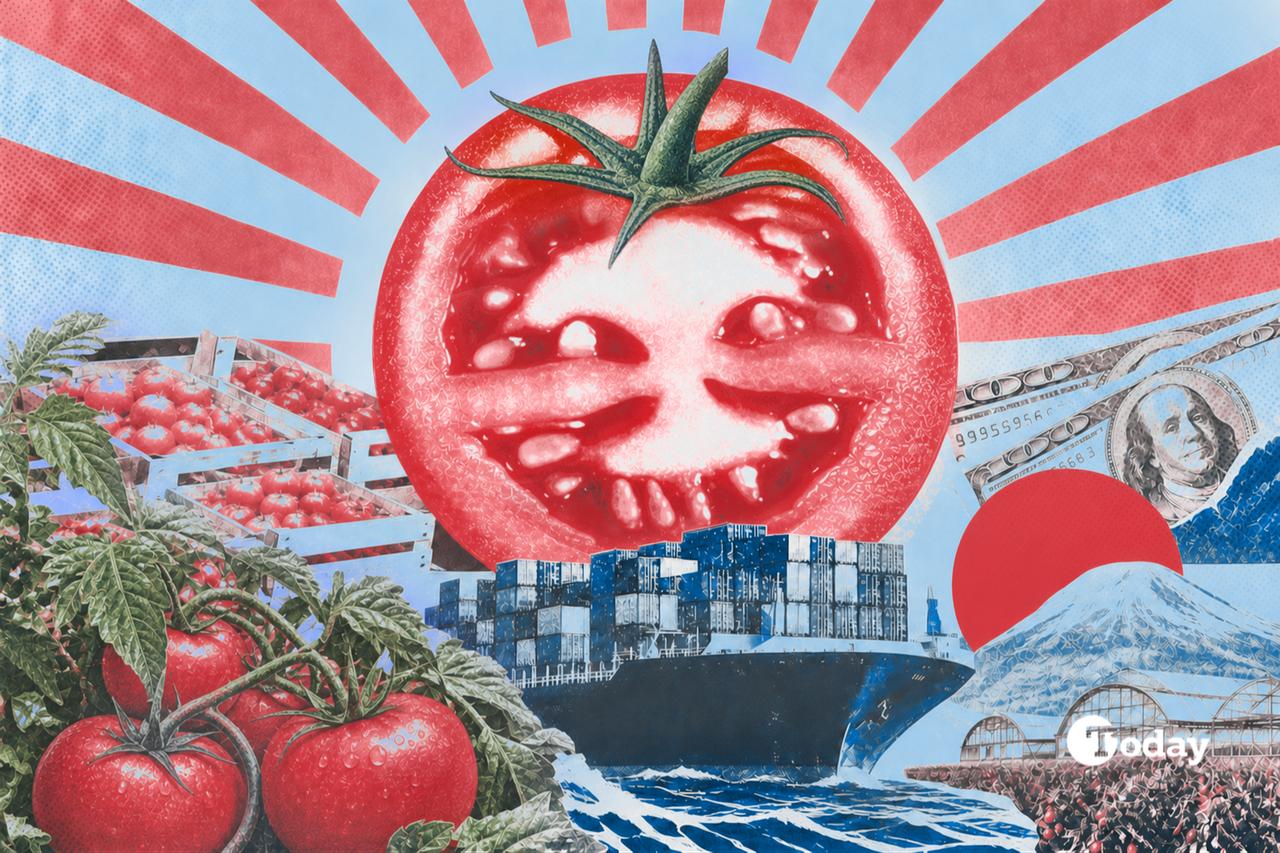
The arrival of autumn signifies the end of summer, prompting a bittersweet transition where tourists reluctantly retire their summer wear and locals face the impending transformation of fresh tomatoes into unsatisfactory substitutes. As we navigate this seasonal shift, let’s delve into a topic that garners serious attention: Turkish tomatoes, a key player in global trade, especially as their popularity in Russia continues to surge.
The Role of Turkish Tomatoes in Global Trade
Tomatoes from Türkiye aren’t just another summer staple; they play a pivotal role in international commerce. In 2015, prior to diplomatic tensions, Türkiye was exporting around 366,000 tons of tomatoes annually to Russia, which accounted for approximately 43% of the country’s tomato imports and a staggering 11% of all tomatoes consumed in Russia. This underscores the significance of Turkish tomatoes—they’re not just food; they can be considered a strategic commodity at the intersection of appetite and geopolitics.
In recent years, Türkiye has ramped up its tomato production, generating an astonishing 13.3 million metric tons in 2023. The Antalya region stands out, producing nearly 20% of this total. Other areas, such as Bursa and Manisa, also contribute significantly. Tomatoes make up roughly 41% of Türkiye’s vegetable production, transforming from mere agricultural output into a crucial component of national identity and economic strategy.
The Cultural Impact of Tomatoes in Türkiye
In Türkiye, tomatoes hold immense cultural weight. Each citizen consumes about 106 kilograms of tomatoes annually, hinting at a relationship that transcends casual consumption. The landscape of Türkiye—with its fertile Mediterranean and Aegean regions—provides perfect conditions for tomatoes to thrive. The unique qualities of the Ayas tomato, for example, are legally protected in Europe, commemorating its status as a prized agricultural product. Its distinct flavor profile offers an authentic taste of Turkish cuisine, embodying both tradition and identity.
Chef Musa Dagdeviren from Istanbul’s renowned Çiya restaurant once declared that tomatoes, along with chili and eggplant, serve as quintessential flavors of Türkiye’s southern and western coasts. His assertion that there simply “isn’t good enough tomato” outside of the summer season eloquently captures the essence of why Turkish tomatoes are not just a seasonal delight but a culinary necessity.
Geopolitical Ramifications of Tomato Trade
The artistry of Turkish tomatoes extends beyond the kitchen; their trade can impact diplomatic relationships. Following the downing of a Russian aircraft in 2015, Türkiye’s tomato exports faced sanctions, resulting in a bizarre scenario where fresh produce became an inadvertent pawn in international diplomacy. Despite geopolitical tensions, the essential human longing for quality food leads consumers to demand these tomatoes once more.
By 2024, Türkiye resumed supplying Russia with nearly 50,000 tons of fresh tomatoes, underscoring how consumer appetite can oftentimes eclipse governmental discord. This phenomenon illustrates the notion that while nations may spar over policies, the tomato maintains its own equilibrium, continuing to flow across international borders.
In conclusion, as the vibrant days of summer give way to cooler autumn weather, the value of Turkish tomatoes cannot be overstated. Their flavor represents not just a culinary delight but also a significant component of international relations and economic stability. So as the season turns, take a moment to savor these tomatoes while they remain plentiful—realizing that their rich taste embodies the warmth of summer still lingering in the air.