
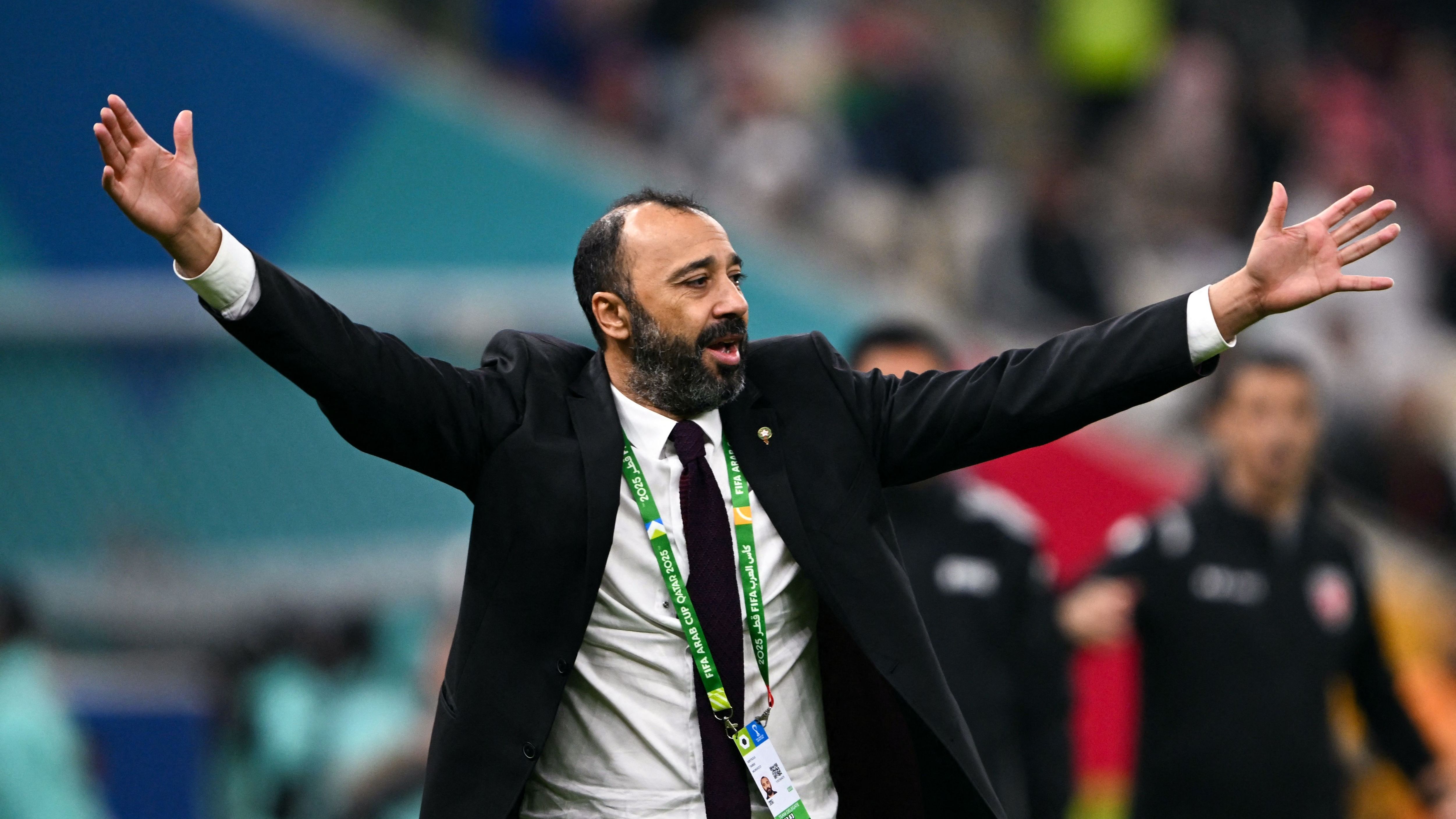
In the recent Arabian Gulf Cup “Gulf 27,” Tarek Sektioui, head coach of Oman’s national team, shared his dismay after the team’s 3-0 defeat to Saudi Arabia. The match took place at Al-Inma Stadium in Jeddah and marked a challenging moment for Oman, leaving them with significant hurdles in the tournament.
Match Overview and Initial Reactions
The loss came during the second round of the group stage, where Oman struggled to make an impact. In a post-match press conference, Sektioui expressed his disappointment with the results, stating, “The score is quite significant; we felt uneasy throughout the match and hoped for a better outcome.” He acknowledged that the team’s performance in the first half was subpar, resulting in gifting Saudi Arabia two early goals. He noted a slight improvement in the second half, but it was not enough to change the game’s outcome.
Tactical Analysis and Team’s Response
Despite the disappointing loss, Sektioui remains committed to his coaching methods. He emphasized that the defeat would not alter their strategy moving forward. “Competing against Saudi Arabia demanded excellence in both physical and mental aspects, which we unfortunately did not achieve,” he stated. He pointed out that the local team excelled in both aerial and ground duels, which ultimately tilted the match in their favor.
Sektioui lauded the players for their effort throughout the game. “I am grateful to the players for pouring their hearts into this fight and showing determination,” he said. He also mentioned that tactical adjustments were made in the second half, including a shift to a three-defender formation. He believed that had they managed to score a goal, it could have reignited their chances for an equalizer. However, he conceded that Saudi Arabia’s skill and determination blocked their path to scoring.
Contributing Factors to the Defeat
Addressing fatigue as a contributing factor, Sektioui indicated that the team might have been physically drained, affecting their agility. “In the first half, the opponent clearly outperformed us physically,” he explained. He noted the necessity for players to rest adequately to meet the physical demands of such tournaments.
“We rely on relentless pressuring and winning battles for possession to be competitive,” Sektioui continued, highlighting that concentration issues can stem from inadequate physical fitness. He asserted the importance of addressing these challenges realistically and finding solutions as they move forward in the competition.
Looking Ahead: A Difficult Path to Qualification
As it stands, Oman finds itself in a precarious situation, sitting third in their group with only one point. With the hopes of advancing to the next stage hanging by a thread, their upcoming match against Kuwait is critical. To qualify, Oman must secure a victory while simultaneously wishing for Iraq to lose against Saudi Arabia. Both the result and goal difference play pivotal roles in determining their future in the tournament.
Sektioui concluded with a message of resilience, stating, “Although we faced a setback today, we must continue to strive for improvement and not rely solely on luck. The road ahead is tough, but as long as there’s hope, we will persist.” This determination to analyze the team’s shortcomings and adapt strategies will be essential as they aim to turn their fortunes around in the Gulf Cup.