
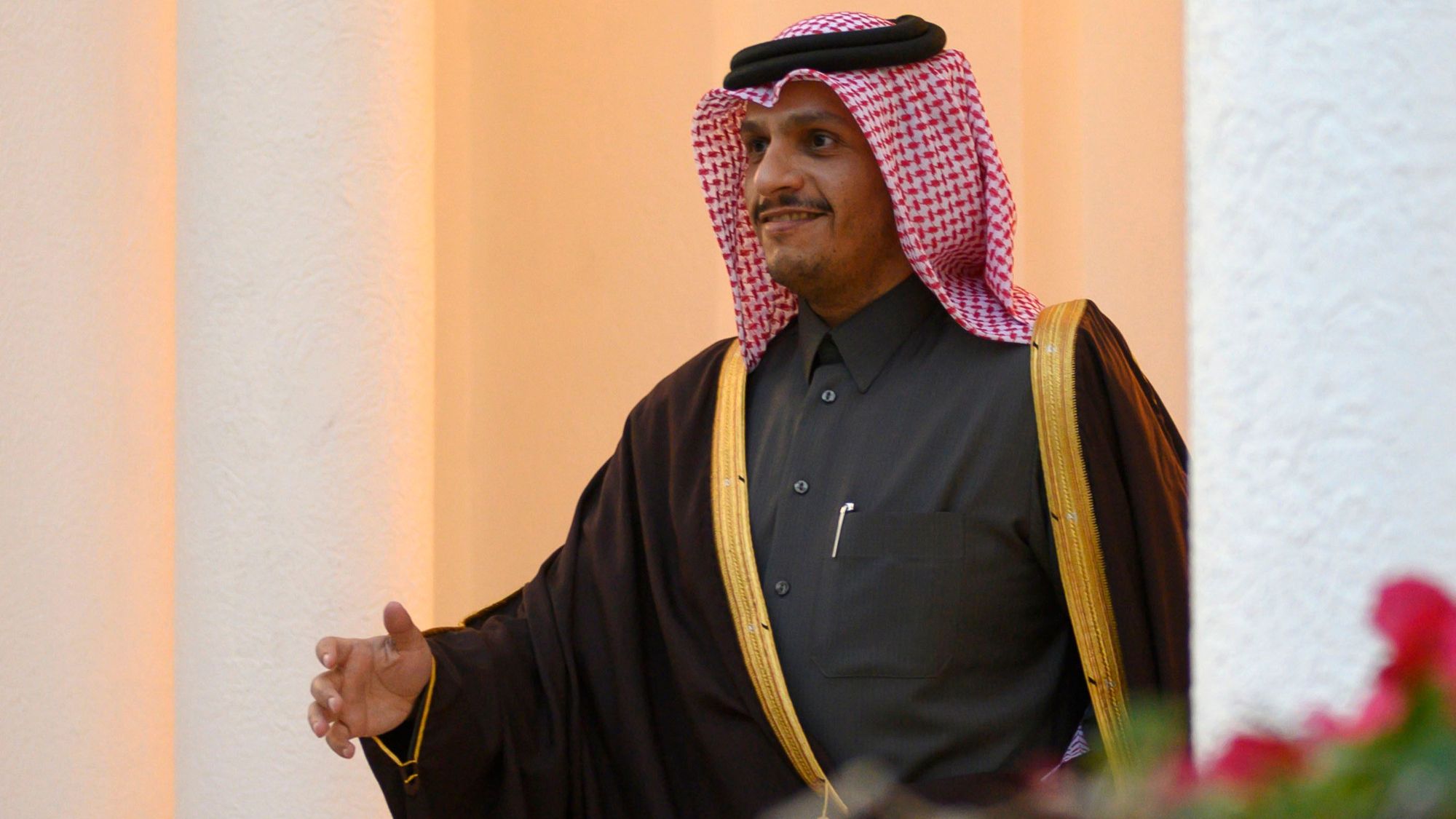
Michael Eisenberg, the Israeli Prime Minister Benjamin Netanyahu’s envoy for Gaza issues, recently engaged in discussions with Ali Al-Thawadi, a representative from Qatar’s emir. This meeting took place in New York and lasted around thirty minutes, as reported by Israel’s Channel 12. This encounter unfolds just one day before Netanyahu delivered a critical address at the United Nations General Assembly, where he openly criticized Qatar’s role in the region.
Discussion Details Between Israel and Qatar
During their half-hour meeting, Eisenberg and Al-Thawadi delved into various pressing issues, including the implications of former U.S. President Donald Trump’s vision for Gaza. They also evaluated ongoing developments in the region and explored effective ways to implement the plan’s stipulations. In addition, the representatives discussed the humanitarian commitments that Israel has pledged to undertake in Gaza, showcasing a level of engagement aimed at addressing urgent humanitarian needs.
These discussions occurred in the wake of a “Peace Council” meeting, which focused on strategies for the initial reconstruction of Gaza. Interestingly, Al-Thawadi had previously been part of a White House conference call where Netanyahu expressed his apologies to Qatar’s prime minister regarding past tensions.
Contrasting Speeches and Diplomatic Dynamics
Contrasting the diplomatic dialogue, Netanyahu’s public statements the following day took a confrontational tone. In his speech at the UN, he accused Qatar of funneling billions into initiatives designed to disseminate what he termed “falsehoods” about Israel. He further alleged that Qatar was providing refuge to Hamas officials implicated in the October 7 attack, exacerbating the already tense relations between the two nations.
Netanyahu characterized the struggle for favorable representation of Israel in the global media and social platforms as an additional “eighth front” in Israel’s ongoing military challenges. He specifically highlighted Qatar’s historical financial contributions to U.S. educational institutions and media organizations such as Al Jazeera, suggesting a calculated strategy to sway public perception.
The Role of Qatar in Regional Politics
Qatar’s influence in the region continues to draw scrutiny, particularly in its relations with Hamas and its investments in international media. The juxtaposition of diplomatic discussions and Netanyahu’s accusations reflects the complex dynamics at play. While efforts are being made to engage in dialogue and humanitarian assistance, broader geopolitical narratives complicate these initiatives.
The conversation between Eisenberg and Al-Thawadi indicates that despite the existing tensions, there are ongoing efforts to address critical issues in Gaza. However, Netanyahu’s assertions at the United Nations illustrate the prevailing skepticism regarding Qatar’s intentions and its role in the larger context of Israeli security and public perception.
In conclusion, the engagement between Israel and Qatar reveals a delicate balance of diplomacy and rivalry, with significant implications for the future of Gaza and the broader Middle East. Understanding these intricate relationships is vital for grasping the complexities of regional politics and the challenges that lie ahead.