
The Strategic Importance of Bab el-Mandeb
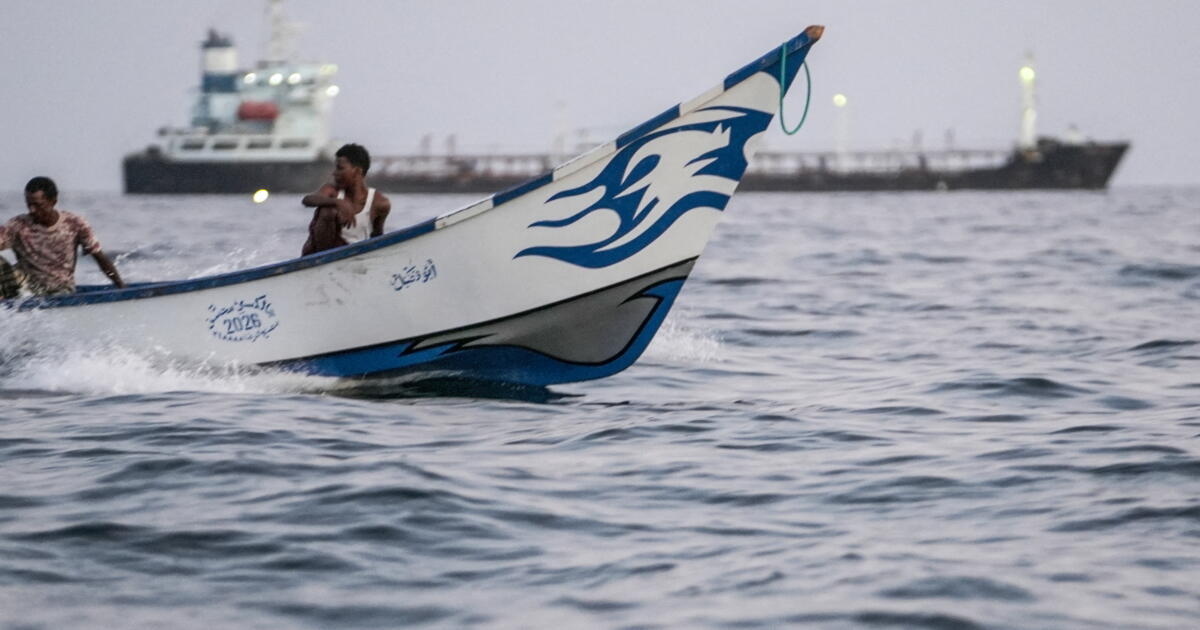
Located in Yemen, Bab el-Mandeb may appear to be a modest fishing village, but its significance in global trade and geopolitics is immense. The village sits at the entrance of the Bab el-Mandeb Strait, a narrow passage connecting the Red Sea to the Arabian Sea. This strategic route is crucial for international shipping, yet it suffers from severe underinvestment and local poverty.
A Vital Waterway Under Siege
The Bab el-Mandeb Strait is not just a body of water; it serves as a critical artery for approximately 7% of the world’s energy supply and a large portion of global commerce. Despite its importance, the region is marred by conflict and instability. The ongoing power struggles between local factions significantly affect trade routes, making it a hotspot for geopolitical tensions.
The village is surrounded by stark contrasts. While global attention often focuses on the wealth generated by the passage of numerous ships, local residents like Saleh comment on their plight: “If only the Yemeni government knew how to invest in it, we would be rich.” Sadly, such prospects remain distant. The local fishermen struggle with outdated boats and inadequate facilities, as governmental neglect hinders any meaningful investment.
The Houthi Takeover
Recently, the strategic control of the Bab el-Mandeb Strait shifted dramatically when the Houthis, Iranian-backed Yemeni rebels, seized key locations along Yemen’s Red Sea coast. Their swift and aggressive moves have garnered them significant leverage over shipping lanes critical for international trade. The situation escalated when the Houthis claimed Perim Island, situated in the strait’s narrowest point, enabling them to target passing vessels more easily.
One Houthi commander openly boasted about the capability to strike ships without advanced weaponry—suggesting that a few artillery units placed on Perim would suffice. This alarming development has added new dimensions to the already complex security dynamics in the region. Such maneuvers underscore the rebels’ ability to create substantial disruption to global trade, posing a serious risk to maritime security.
Consequences for Global Commerce
Disruption in the Bab el-Mandeb Strait could have far-reaching consequences for the global economy. All vessels entering the Suez Canal must navigate through this passage, meaning any trouble could force ships to take a longer, more costly route around Africa. Past incidents, such as the blocking of the Suez Canal by a grounded container ship, have already highlighted the fragile nature of maritime logistics and the interconnectedness of global supply chains.
Moreover, the Houthis’ blockade serves not only as a threat to shipping but as a tactical lever in their ongoing conflict with the Saudi-led coalition. By directly impacting the flow of resources and energy, the Houthis alter the calculus for key players involved in Middle Eastern geopolitics, including the United States and other global powers.
International Implications
The situation around the Bab el-Mandeb Strait is particularly pressing given its timing. The ongoing conflict involving Iranian influence in the region complicates security arrangements and response options for countries like Saudi Arabia and the United States. After the Houthis’ aggressive actions this year, conversations about international military intervention have intensified, yet implementing effective strategies remains a daunting challenge.
Yemeni Vice President Abdullah Abdulkader al Alimi-Bawzer emphasized at a recent United Nations General Assembly that protecting the Bab el-Mandeb Strait is a shared responsibility for all nations dependent on secure navigation and energy supply chains. The international community’s involvement could be crucial in ensuring that the strait remains open and secure for global trade.
Conclusion
In summary, the village of Bab el-Mandeb may look unassuming on the surface, but its geopolitical significance belies any preconceptions of its role in global commerce. As conflicts rage and local struggles continue, the region’s fate has serious implications not only for Yemen but for the global economy at large. The key question remains: Can the international community come together to stabilize this vital passageway, or will it continue to serve as a flashpoint in ongoing geopolitical strife?