
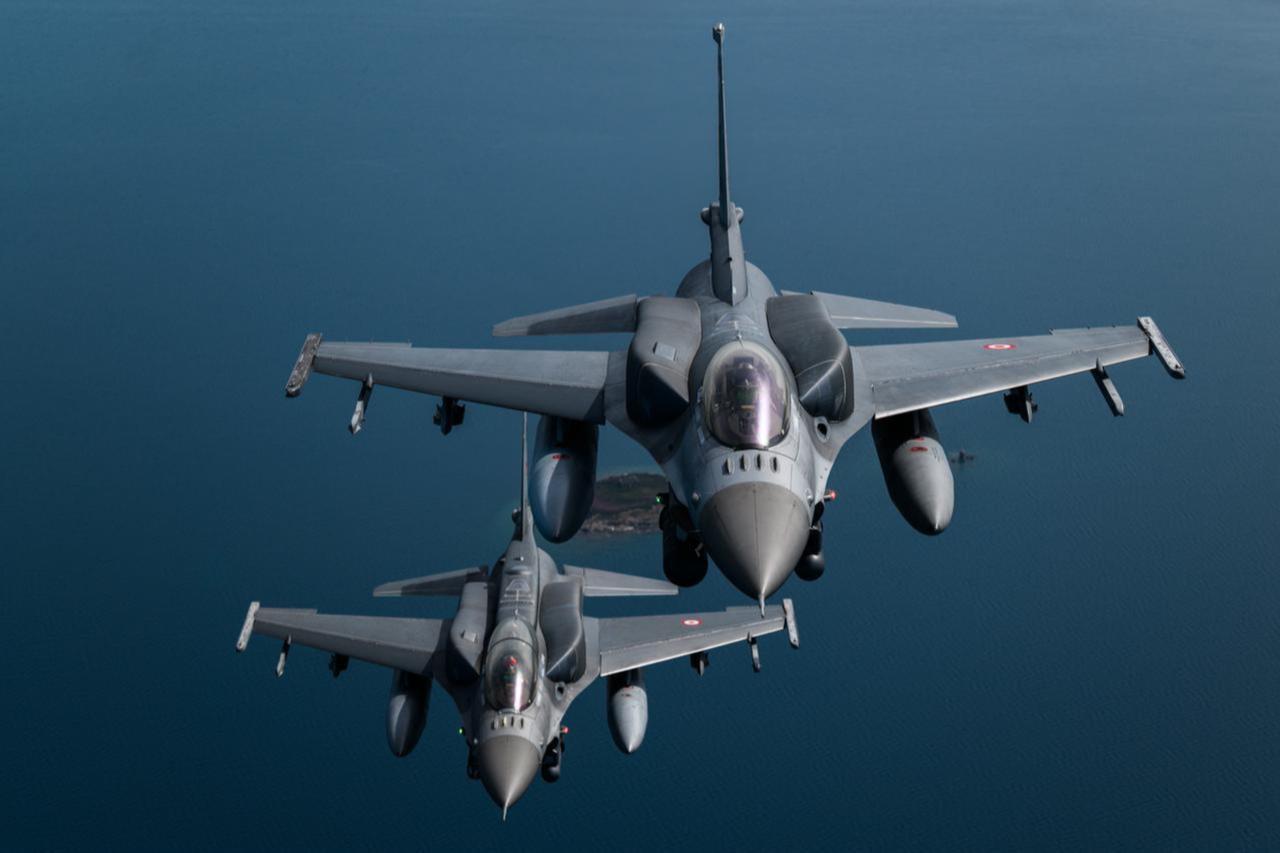
Türkiye is pressing the United States for decisive action regarding the long-delayed delivery of F-16 fighter jets. This call comes amid renewed discussions between the two NATO allies over the stalled acquisition process. A Turkish Cabinet official recently conveyed expectations for concrete measures from the U.S. after payments for the aircraft had already been made.
The Urgency for Action
Reports suggest that negotiations are currently in progress, with both sides hopeful for a positive outcome. Following a publication by Al-Monitor on September 21, the dialogue regarding the supply and modernization of F-16 jets has reportedly resumed. Ankara is looking at acquiring 40 new F-16 Block 70 aircraft, alongside plans to upgrade its existing fleet.
A Turkish official stated that while payment for these aircraft has been completed, the delivery has yet to occur. This lingering issue underscores the urgency for resolution, though specific financial details and timelines for fulfillment remain undisclosed. The official expressed that discussions are ongoing with the anticipation of reaching a satisfactory conclusion.
Background of Delayed Deliveries
The long-standing dispute over F-16 deliveries can be traced back to Türkiye’s controversial agreement with Russia in 2017 for the S-400 air defense systems. Türkiye received these systems in mid-2019, despite U.S. calls to abandon the deal in favor of the American-made Patriot system. Ankara’s commitment to the Russian systems led to significant repercussions, including its removal from the F-35 fighter jet program.
In addition to the program cancellation, the U.S. enacted sanctions against selected Turkish defense industry officials. These measures were taken under the Countering America’s Adversaries Through Sanctions Act (CAATSA), further complicating military relations between Türkiye and the United States.
Political Ramifications
Recently, Russian Foreign Minister Sergei Lavrov reaffirmed that Türkiye is aware it cannot transfer the S-400 systems to any third party without Russia’s permission. This situation continues to add layers to the geopolitical complexities surrounding Türkiye’s military procurements. As the discussions progress, the international focus remains on what solutions can be derived to alleviate tensions and resume fruitful cooperation between Ankara and Washington.
In summary, Türkiye’s demand for the timely delivery of F-16 fighter jets from the U.S. highlights the intricate dynamics of modern military alliances. As both nations work towards mending their military ties, the outcome of these negotiations holds significant implications not only for their bilateral relationship but also for regional stability and security in the broader NATO framework.