
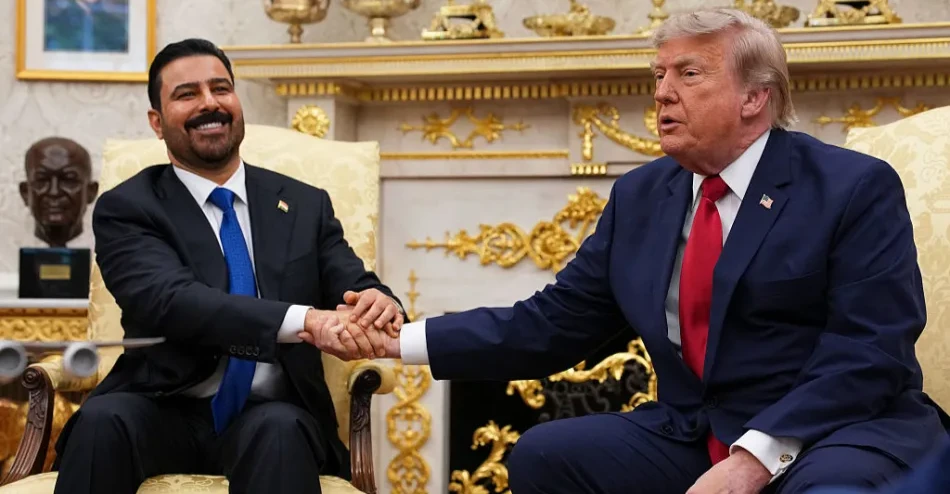
Iraqi Prime Minister Ali Al-Zaidi has recently garnered US backing for an unnamed candidate to fill a deputy prime minister position, a move previously thwarted by American objections. This breakthrough was achieved during Al-Zaidi’s latest trip to the United States, according to lawmaker Abu Turab Al-Tamimi, who also mentioned that Washington’s decision was influenced by undisclosed guarantees from the Prime Minister. While the specific name of the candidate is yet to be revealed, this development signals a possible shift in the political landscape in Iraq.
US Approval for Deputy Prime Minister Candidate
During discussions, the Prime Minister successfully navigated the complexities of US-Iraqi relations, ultimately receiving backing for a candidate who had been previously vetoed. Al-Tamimi, a member of the Badr parliamentary bloc, indicated that further details concerning the nominee and the nature of the guarantees remain undisclosed. This turn of events suggests that the Prime Minister is actively working towards solidifying his cabinet, which has faced significant challenges in recent months. Al-Zaidi hopes to settle remaining cabinet positions following the anticipated withdrawal of US forces from Iraq on September 30.
Criticism of Flight Restrictions
On a related note, Al-Tamimi criticized the recent suspension of Iranian flights into Iraq, calling for any aviation restrictions—whether on military or civilian grounds—to be established through international bodies like the United Nations or the International Civil Aviation Organization (ICAO). This criticism underscores the delicate balance of maintaining Iraq’s sovereignty while adhering to international expectations and sanctions. A senior Iraqi official reported that Washington has signaled its disapproval of Iranian carriers using Iraqi airports, warning that failure to comply could lead to significant penalties affecting not only the airlines involved but also the infrastructure supporting them.
Negotiations with Washington on Aviation Services
Baghdad is currently engaged in discussions with Washington to seek exemptions that would enable humanitarian and civilian travel to continue without subjecting airports and companies in Iraq to potential penalties. This negotiation reflects the complexities of international diplomacy while also trying to prioritize the welfare of the Iraqi populace. The need for operational airlines and affiliates to resume services is increasingly urgent, given the existing disruptions that affect both civilian and commercial sectors.
Impact of US Sanctions
Recent US sanctions targeting 36 entities linked to Iran emphasize the intensity of the geopolitical climate. The sanctions have primarily targeted airlines and networks believed to be instrumental in bolstering Iran’s aviation sector while facilitating the transport of weapons and other illicit materials. Although Iraq has not issued a nationwide suspension, airports in notable cities like Najaf and Erbil have already halted flights to and from Iran. This decision poses further complications for Iraqi officials who are striving to maintain some level of diplomatic relations while managing the repercussions of external pressures.
Overall, developments in Iraqi politics and aviation regulations illustrate the complexities of navigating relationships amid contentious international pressures. The proactive steps taken by Prime Minister Al-Zaidi may pave the way for more stable governance, but the implications of US sanctions and regional dynamics will continue to play a significant role in Iraq’s future.