
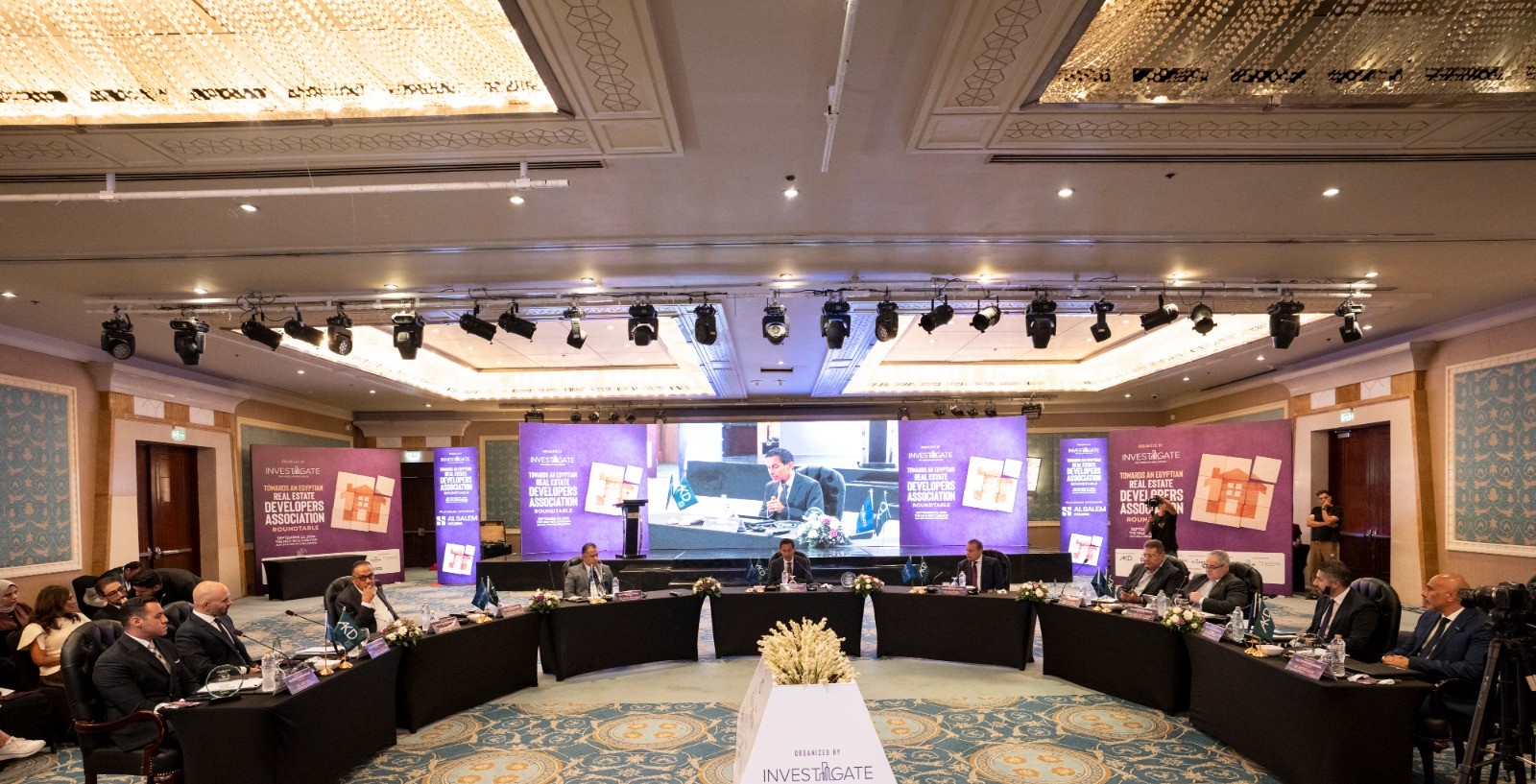
The movement towards forming a federation for real estate developers in Egypt is gaining traction. Key stakeholders, including developers, government representatives, and industry professionals, are currently engaging in discussions focused on a collaborative framework that aims to enhance governance, regulation, and coordination within the real estate sector across the nation.
The Need for a Professional Body
Recent discussions highlighted during a roundtable event organized by Invest-Gate centered around the creation of a professional body that would represent real estate developers. This gathering brought together senior figures in government and the real estate industry to explore the potential benefits of such a federation, especially in light of the sector’s ongoing growth and diversification. The real estate market faces numerous challenges, including shifting regulations, escalating development costs, and evolving consumer expectations. A unified organization could serve as a structured platform for dialogue with government authorities, contributing to regulatory policy development and promoting higher professional standards for real estate operations.
Industry stakeholders underscored the importance of transparency and governance, noting that a federation could facilitate data sharing and provide frameworks for resolving conflicts within the sector. A well-organized body could function not just as a representative alliance but also as a standard-setting organization that helps to align the interests of developers, regulatory bodies, and consumers alike.
Draft Law and Governance Structure
As these discussions unfold, the Egyptian government is also working on a draft law aimed at regulating the real estate market, which would formalize the proposed professional body. The draft law encompasses important provisions such as developer registration, customer protection, and regulatory frameworks for development activities. Participants emphasized the need for a clearly defined structure within this federation that would complement and enhance the government’s regulatory efforts.
According to Amr ElKady, the founder of AKD Advisory, the discourse around the federation aligns with three critical pillars: the proposed draft law, previous dialogues regarding its establishment, and Prime Ministerial Decree No. 2184 of 2022. Khaled Sedeik, from the Urban Development Fund, echoed these sentiments, arguing that it is essential for the federation to evolve the existing legal framework to better reflect market changes and to facilitate collaboration between developers and government bodies.
Classification and Financial Mechanisms
Another significant topic discussed by stakeholders was the classification system for developers. A structured classification would not only help to differentiate developers based on size, capabilities, and experience but would also provide clarity to banks and financial institutions when evaluating projects and developers. Tarek Shoukry, of the Real Estate Development Industry Chamber, highlighted the need for this classification to cover a broader spectrum of developer categories, thereby enhancing buyer protection and providing mechanisms for dispute resolution.
Moreover, financing emerged as a crucial discussion point. Participants advocated for diverse financing options tailored to project implementation phases, which would ensure funds are allocated efficiently. May Abdel Hamid discussed the necessity of expanding mortgage financing avenues and improving market data for buyers, pointing out the growing number of financing entities participating in these initiatives.
Enhancing Transparency and Investor Confidence
The roundtable participants collectively called for greater transparency in the Egyptian real estate market by establishing a comprehensive database that details transaction activity, pricing, and available properties. Tarek Azmy Elsheikh stressed the importance of securing property titles and ensuring robust legal frameworks are in place to bolster investor confidence.
As the discussions progressed, the concept of using escrow accounts gained traction; separating project funds from developers’ finances would ensure that customer payments are directed solely toward their intended projects. This innovative approach could mitigate risks associated with market fluctuations and enhance the reliability of investments.
In conclusion, stakeholders affirmed that a well-structured federation, supported by transparent regulations and clear classification systems, could significantly enhance the real estate market’s growth trajectory in Egypt. By addressing existing financial and operational challenges, the proposed federation aims to create a conducive environment for real estate development, ultimately attracting both local and foreign investments into the sector.