
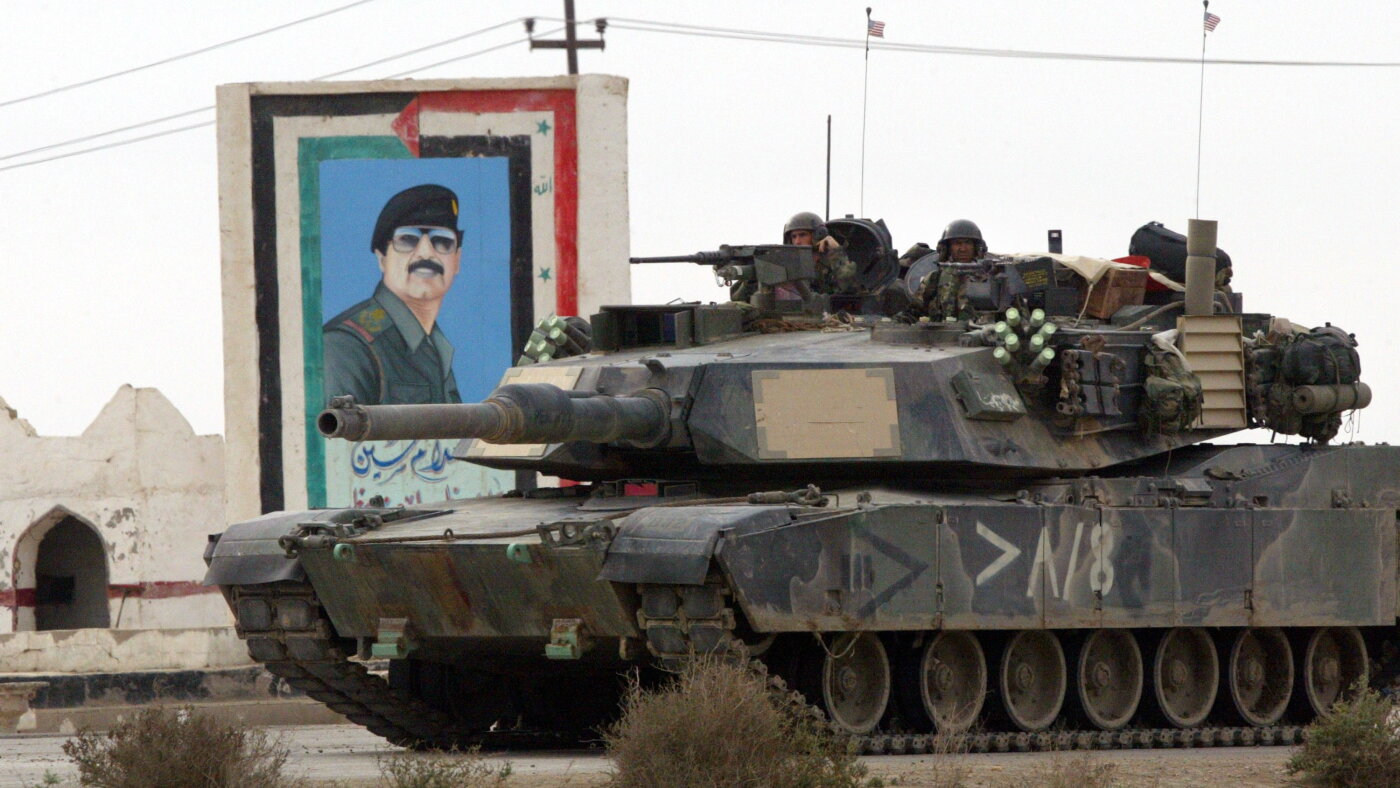
As U.S. troops conclude nearly twenty years of military engagement in Iraq, the focus turns to the implications of this withdrawal. While on the surface it may seem like a retreat, several underlying factors suggest that Iraq remains a pivotal player in the intricate geopolitics of the region, particularly with ongoing tensions between the U.S. and Iran.
Impact of Withdrawal on U.S. Influence
The U.S. exit raises questions about its future influence in Iraq and the broader Middle East. Historically, American presence has shaped the political landscape, but with troops pulling out, the equilibrium might shift significantly. Various regional players, including Iran, may seek to exploit the U.S. absence, potentially reshaping alliances and power dynamics. The vulnerability of the Iraqi government to foreign influence could swell, creating a battleground for regional supremacy.
With U.S. forces no longer maintaining a military presence, Iraq may find itself under increasing pressure from Iranian influence. Historically, Iran has leveraged its connections with different factions within Iraq, from political parties to militias. In the absence of U.S. oversight, there are concerns about Iran’s ability to deepen its involvement, which could destabilize the already fragile political environment.
Opportunities for Other Nations
Alongside the vacuum left by U.S. forces, other nations might seize this opportunity to expand their footprints in the region. Countries like Russia and China are already showing interest in cultivating relationships with Iraq. By investing in infrastructure, energy, and military partnerships, they could fill the space once dominated by the U.S. This realignment presents both challenges and possibilities for Iraq as it navigates its future without American military backing.
With this foreign interest, Iraq may face competing influences that can complicate its political and economic autonomy. While diversifying partnerships might strengthen Iraq’s sovereignty, the risk of becoming a pawn in broader geopolitical strategies remains. The complexities of balancing relationships with multiple powerful nations could lead to further internal strife and external conflict.
Regional Implications and Future Outlook
The broader implications of the U.S. withdrawal are likely to resonate beyond Iraq’s borders. Major regional players will need to recalibrate their strategies in response to a shifting landscape. The evolving dynamics of power can contribute to heightened tensions or unexpected collaborations among neighboring countries.
The transition might also foster a greater platform for dialogue and negotiation within the region. Stakeholders could seize this moment to create frameworks aimed at stability and security. However, this requires a concerted effort not just from Iraq but from an array of nations with vested interests in the region’s future.
In summary, while the withdrawal of U.S. forces from Iraq marks the end of an era, it simultaneously opens the door to new dynamics. The influence of neighboring countries could intensify, and Iraq’s path forward will hinge on its ability to navigate the complexities of a rapidly changing geopolitical landscape. As events unfold, the international community and observers will be watching closely to see how Iraq asserts itself in this new reality.