
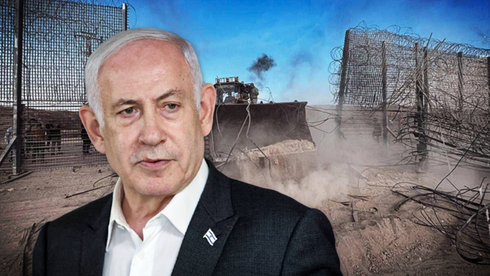
In early October 2023, significant tensions unfolded in the Middle East as Egyptian intelligence chief Abbas Kamel reportedly reached out to Israeli Prime Minister Benjamin Netanyahu with urgent warnings about a potential attack from Gaza. This communication followed two earlier alerts from Egypt that had gone unheeded, underscoring a fraught situation that would culminate in tragedy.
Timeline of Warnings Prior to the Attack
The warnings from Egypt began in June 2023, when officials described the circumstances in Gaza as increasingly unstable. They implored Israeli counterparts to engage in negotiations with Hamas to deescalate tensions. This initial warning lacked specific details but was a pivotal moment in the communication between the two nations. As tensions rose, Kamel escalated his warnings during a trip to Israel in September. He informed Israeli leaders that the situation was critical and could ignite broader conflict. Yet, Israeli officials dismissed these concerns, asserting that they were managing the situation effectively.
Continued Egyptian Concerns
Arab officials reported that Egypt continued to communicate its anxiety up until just 48 hours prior to the attack on October 7. The Egyptian government was not alone in its concerns, as officials from the United Arab Emirates (UAE) shared similar worries about the militant group Hamas. Intelligence assessments shared among Egyptian, Emirati, and American officials painted a dire picture, with observable shifts in the rhetoric and threats issued by Hamas leader Yahya Sinwar. Reports suggested that there had been an uptick in meetings between Hamas and Palestinian Islamic Jihad in Gaza, further justifying the alarms raised by neighboring states.
U.S. Intelligence and Warnings
Over the weekend, major news outlets reported additional insights that shed light on the situation leading up to the attack. A key conversation occurred between UAE President Mohamed bin Zayed and Netanyahu, where warnings about a significant Hamas attack were presented. Despite the urgency of these claims, Netanyahu reportedly did not address the warning at a security meeting held on October 1, where he resisted proposals to take preemptive action against senior Hamas officials.
In a further development, an investigation by The Atlantic detailed an urgent, albeit brief, visit by Kamel to Israel that occurred 11 days before the massacre. During this visit, Kamel highlighted that Hamas was preparing for a large-scale assault and urged immediate economic measures to mitigate potential escalation. Egyptian officials maintained communication about the rising threat right up until two days before the attack.
Aftermath and Regional Reactions
The fallout from the failure to act on these warnings has reverberated across the region. In response to the escalating tensions and the attack’s unforeseen impact, Netanyahu met with the Emirati leadership in Abu Dhabi shortly after the warnings came to light. Emirati officials had underscored the looming threat posed by Hamas, advising that a crisis was imminent. The urgency of these discussions emphasizes the potential repercussions of ignoring intelligence alerts from regional allies.
These developments raise questions about diplomatic channels and intelligence-sharing protocols in high-stakes scenarios. The situation remains tense as regional partners navigate a complex landscape of security, diplomacy, and the urgent need for crisis management in an increasingly volatile environment. Understanding the layers of communication and warnings that preceded the attack may offer crucial lessons for future engagements in the region.