
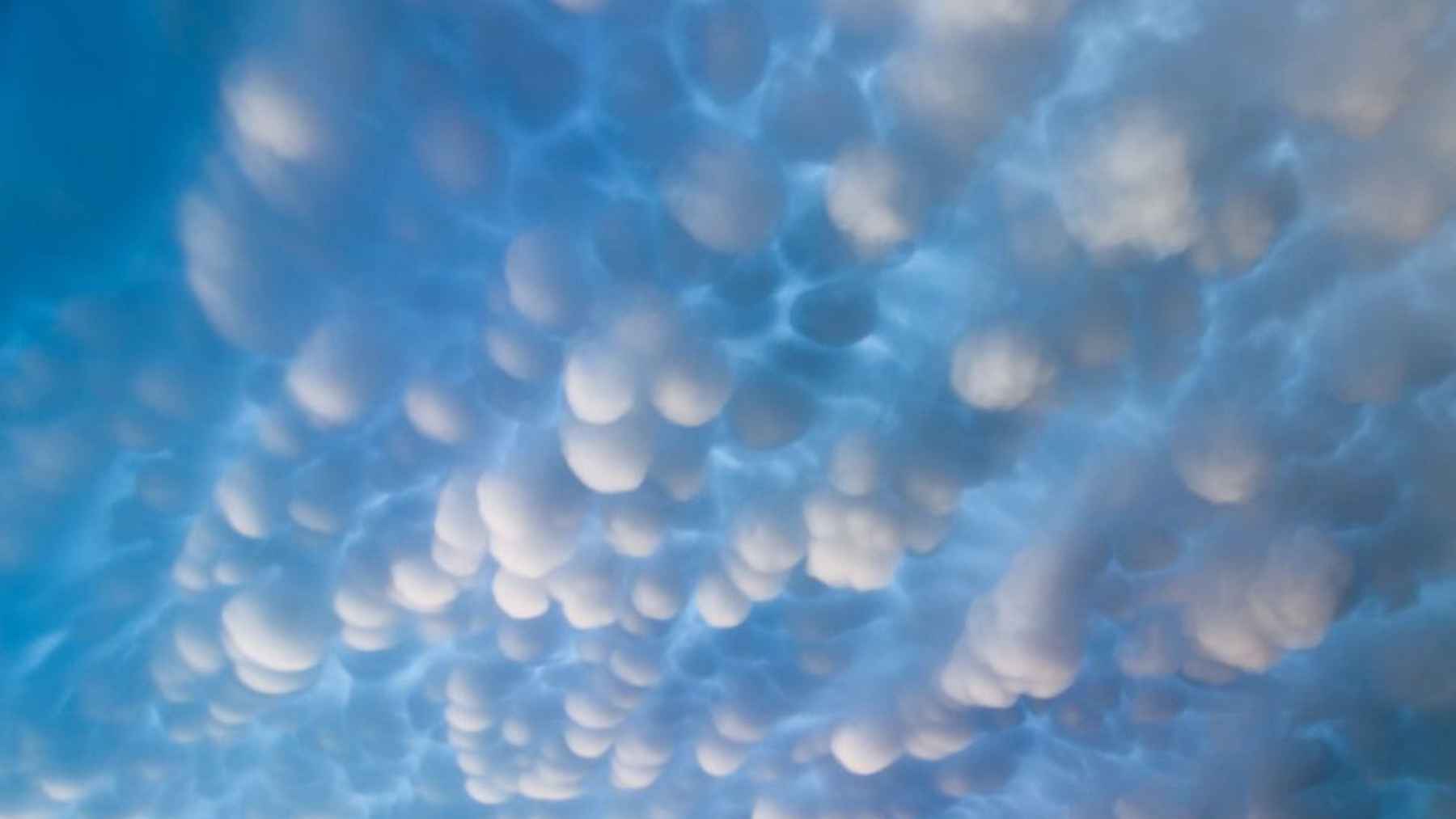
The recent appearance of mammatus clouds over parts of Qatar has captivated observers with their unique, pouch-like formations. These clouds, typically associated with unstable weather and thunderstorms, were prominently visible during a stormy period in areas like Al Sidriya. While visually striking, they have sparked discussions around their significance, with meteorologists assuring the public that these clouds are not indicators of severe weather on their own.
Understanding Mammatus Clouds
Mammatus clouds are characterized by their rounded, bulging shapes that dangle from the underside of larger cloud formations. They might resemble rows of pouches or bubbles suspended in the sky. According to the Qatar Meteorology Department, these distinctive clouds often follow the most intense phases of a thunderstorm and should not raise alarm since they do not pose a threat by themselves. Instead, they serve as visual indications of atmospheric turbulence and complex weather patterns.
A common misconception is that mammatus clouds represent a unique type of cloud. However, they are not categorized as a standalone cloud type. The World Meteorological Organization refers to these formations as “mamma,” describing them as protrusions resembling udders hanging from various cloud types, such as cumulonimbus or altostratus. Recognizing that mammatus forms beneath storm clouds means the surrounding weather can still be severe, but the clouds themselves are not the source of danger.
The Formation Process of Mammatus Clouds
The creation of mammatus clouds occurs due to a process that can seem counterintuitive. Unlike most clouds that develop as warm, moist air rises, mammatus forms when colder air within a cloud descends into drier air layers below. As the colder air sinks, it drags water droplets or ice crystals downward, shaping the distinct lobes that are often seen from below. This phenomenon can be striking, especially when illuminated by sunset, transforming the sky into a surreal scene.
In Qatar, the appearance of mammatus clouds coincided with a period known locally as “Al Sarayat,” which spans late winter into spring. This seasonal weather pattern, typically starting in late March and continuing until mid-May, is characterized by rapid cumulonimbus formation, leading to thunderstorms and potentially heavy rainfall, hail, and strong winds. The presence of these clouds is not just an aesthetic occurrence but rather a sign of the dynamic atmospheric processes at play.
Awareness and Safety During Stormy Weather
While mammatus clouds can be visually arresting, they do not signal impending disaster; however, the storms associated with them can. The Qatar Meteorology Department advises the public to remain mindful during unpredictable weather, as it can lead to hazardous conditions such as reduced visibility and severe downdrafts. It’s crucial for people engaged in outdoor activities to stay informed about weather updates and take precautions during storms, including avoiding unnecessary travel and seeking shelter during intense weather events.
The dramatic nature of mammatus clouds often sparks curiosity and discussions, particularly as the sky transforms from the mundane to the extraordinary. This blend of atmospheric science and public awareness serves as a reminder of the complex interplay of weather systems. While it’s tempting to gaze up and marvel at these formations, the ultimate takeaway is to combine visual observations with reliable forecasts for a comprehensive understanding of the weather.
In summary, while mammatus clouds can be stunning to behold, they signify more than just beauty; they represent an intricate weather system at work. Observing these clouds can enhance public awareness of atmospheric dynamics, prompting curiosity and engagement with the natural world.