
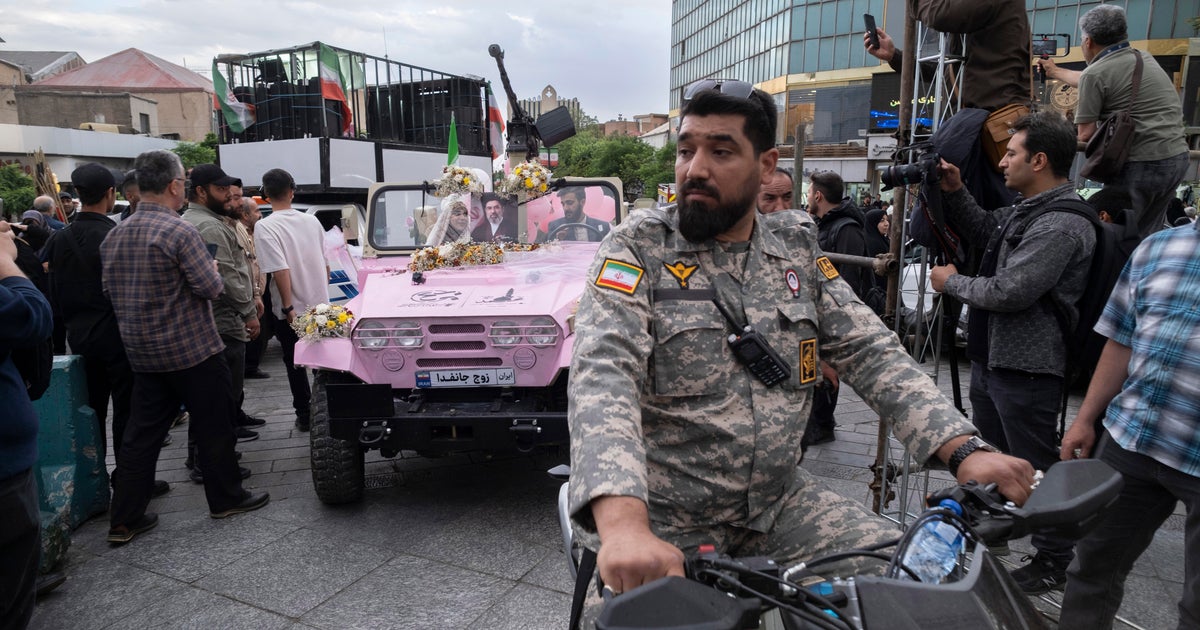
In a striking demonstration of national unity, Iranian authorities recently organized large-scale public weddings in Tehran for couples who volunteered for a state-sponsored program promoting self-sacrifice in the ongoing conflict with the U.S. and Israel. This initiative aimed to bolster morale during wartime by showcasing couples ready to pledge their lives for their country.
Mass Weddings in Tehran Amid Conflict
Late on a recent Monday, hundreds of couples took part in these mass wedding ceremonies held in prominent squares across the city, with more than 100 of them gathering in the expansive Imam Hossein square. The event was widely covered by state media and broadcast on national television, reflecting the government’s efforts to maintain public spirit during a tumultuous period marked by military threats from the U.S. and Israel, amidst an uneasy ceasefire.
Participating couples, as reported by Iranian media, had enrolled in a controversial “self-sacrifice” scheme. This program calls for individuals to pledge their readiness to take significant risks, including forming human chains around vital infrastructure like power stations. The Iranian leadership has claimed that millions have joined this initiative, which encompasses high-profile figures such as President Masoud Pezeshkian and parliamentary speaker Mohammad Bagher Ghalibaf.
Symbolism and Morale Boosting
The mass weddings were not just ceremonies of love; they served as political statements designed to instill a sense of resilience and collective identity among the populace. On-site military personnel provided training tutorials on basic firearms use at various locations throughout Tehran, further emphasizing the regime’s commitment to military readiness. Couples arriving for their nuptials did so in military vehicles, adorned with flowers, capturing the fierce spirit of this wartime celebration.
Each ceremony featured a cleric presiding over the weddings, with the backdrop showcasing vibrant decorations, including balloons and a large portrait of Supreme Leader Ayatollah Mojtaba Khamenei. Although Khamenei has not made a public appearance since he assumed leadership following the death of his predecessor, his image loomed prominently over the event, emphasizing the connection between state authority and national duty.
Personal Narratives Amid Political Context
Amidst the solemn undertones of conflict, stories of love emerged. One bride, in a white Islamic gown, expressed the duality of their situation, noting that while the country is at war, young people still deserved the opportunity to marry. Another newlywed remarked on the significance of their wedding date, which coincided with the anniversary of a revered union in Shiite culture, lending a sense of cultural importance to an otherwise grim scenario.
Reports indicated that at least 110 couples participated just in the Imam Hossein square ceremony, creating an atmosphere filled with celebration and hope, featuring well-wishers and the exchange of roses. These gatherings signify a persistent government strategy to showcase popular mobilization and support for the regime amidst the challenges posed by ongoing military engagement.
In summary, the mass weddings in Tehran serve as a potent reminder of how the Iranian government intertwines personal lives with nationalistic agendas, promoting a narrative of unity and sacrifice in the face of adversity. This public display highlights the complex intersection of love, loyalty, and conflict that characterizes contemporary Iranian society.