
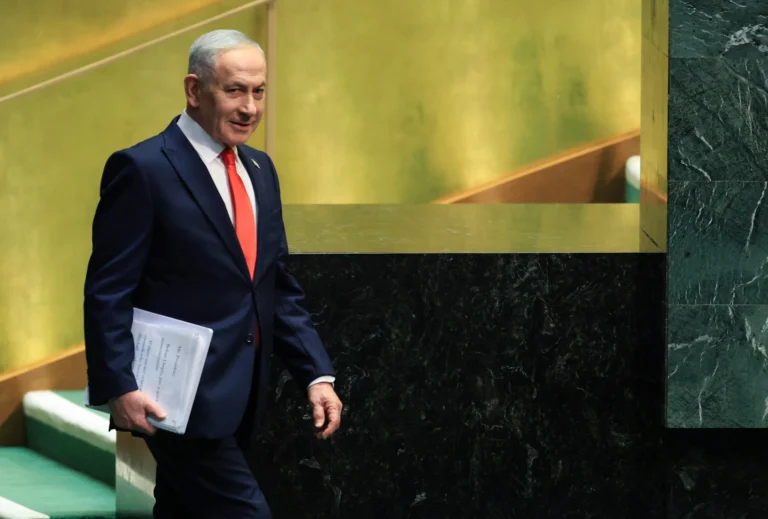
Israeli Prime Minister Benjamin Netanyahu’s recent covert visit to Abu Dhabi has stirred attention due to its timing and implications. Reports indicate that Netanyahu met with UAE President Sheikh Mohammed bin Zayed Al Nahyan, raising questions about the discussions that took place and the broader geopolitical context surrounding the meeting.
Unannounced Diplomatic Engagements
Netanyahu’s private flight to the United Arab Emirates lasted several hours, according to reports from Channel 12. The Prime Minister’s Office and the UAE Foreign Ministry have so far refrained from providing commentary on the visit, including the agenda or outcomes of the discussions. This secretive maneuver follows heightened scrutiny surrounding alleged warnings relayed to Netanyahu about Hamas’s plans for a major operation against Israel, which reportedly occurred just before the attack on October 7, 2023.
Controversy and Accountability
Sources suggest that Sheikh Mohammed provided Netanyahu with a critical warning about a week and a half before the Hamas assault, but there are claims that this information was not communicated to Israel’s intelligence services or military forces. This has prompted a backlash, with Netanyahu denying these allegations and threatening legal action against the outlet, Haaretz, that reported them. The UAE has remained silent on the assertion, indicating that, regardless, both nations have maintained open lines of communication since they established formal diplomatic relations in 2020.
The fallout from these events has ignited a political firestorm in Israel. Opposition leaders have accused Netanyahu of failing to act on crucial intelligence, holding him accountable for the security lapses that preceded the recent violence. The conflict’s implications for Israel’s national security are profound, and public confidence in the government is at stake.
The Abraham Accords and Regional Implications
Established under the U.S.-brokered Abraham Accords of 2020, diplomatic relations between Israel and the UAE have blossomed into significant cooperative ventures. However, tensions occasionally surface, especially concerning regional security dynamics. Netanyahu’s clandestine discussions with Sheikh Mohammed may reflect both nations’ desire to address shared challenges while navigating the complexity of public and political pressures.
The backdrop of this meeting also references a previous encounter between Netanyahu and Sheikh Mohammed, which allegedly occurred in March but was characterized by conflicting reports. This history underlines the intricate and sometimes opaque nature of diplomatic relations in a volatile region.
As discussions about security and cooperation continue, the world watches closely to see how the outcomes of these high-level meetings will shape future Israeli-UAE relations as well as broader Middle Eastern geopolitical landscapes. With the ongoing threats posed by groups like Hamas, the preventive measures discussed are likely to hold significant weight in ensuring stability in the region.
In conclusion, Netanyahu’s recent trip to Abu Dhabi opens up important questions regarding intelligence sharing, security preparedness, and the evolving landscape of Middle Eastern diplomacy. As both nations strive to strengthen their partnership, the scrutiny and controversy surrounding their leadership call for transparency and effective communication to avoid future crises.