
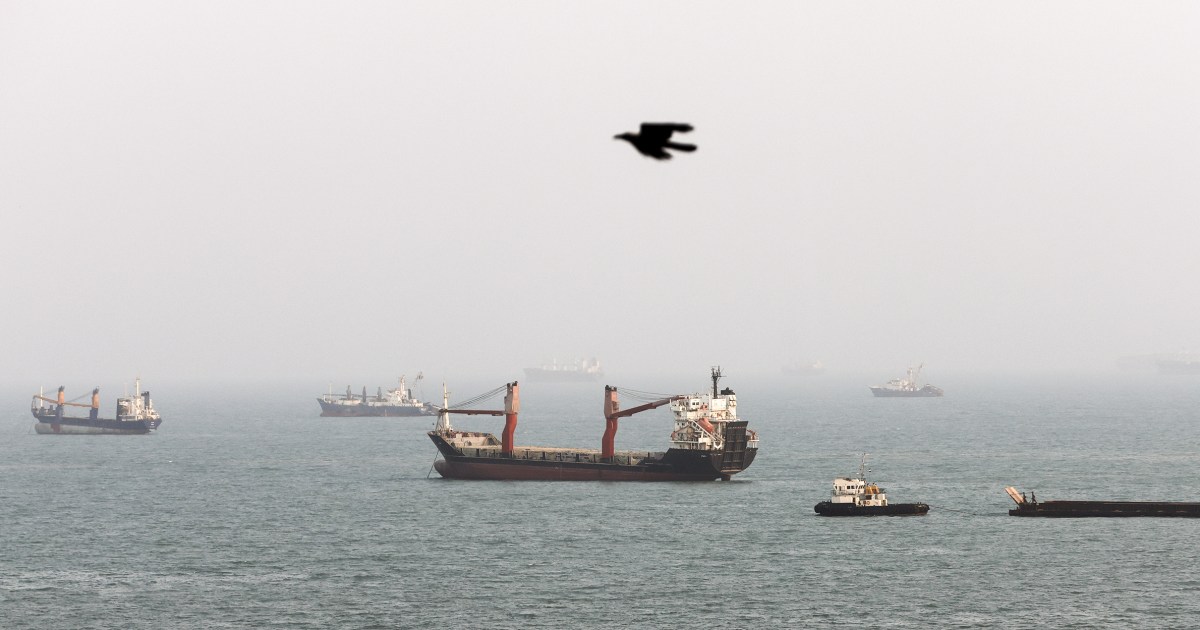
Eight U.S. Marines experienced injuries recently while operating on a naval vessel in the Strait of Hormuz due to an Iranian cruise missile attack. According to multiple U.S. officials, while the injuries were not life-threatening, the Marines suffered from smoke inhalation and symptoms indicative of concussions, including persistent headaches.
Details of the Incident
The missile strike on the ship occurred about two weeks ago and has raised concerns about the ongoing tensions in the region. The incident highlights the precarious situation U.S. forces face while navigating through one of the world’s most critical maritime chokepoints. Although the injuries to the Marines are not severe, the possibility of traumatic brain injuries adds a layer of complexity to their recovery and overall health. Such incidents further underscore the hazardous environment that U.S. military personnel encounter while stationed in volatile regions.
Health Implications for the Marines
Health professionals categorize the injuries sustained by the Marines as concerning, particularly with the symptoms that resemble concussions. Headaches, confusion, and fatigue are common manifestations of traumatic brain injuries, even when they appear mild or moderate. Medical experts stress the importance of thorough evaluations and monitoring for such symptoms, as they can have long-term implications for the service members’ well-being and readiness. Early intervention and consistent follow-up are crucial in ensuring the Marines’ health and operational capabilities are not compromised in the future.
Geopolitical Context
The attack on the U.S. naval vessel is a stark reminder of the persistent tensions between the United States and Iran. The Strait of Hormuz serves as a vital maritime corridor for global oil transportation and commerce, making it a focal point for military operations and geopolitical maneuvering. The recent missile attack raises questions about the stability of the region and the potential for further aggressive actions against U.S. assets. Monitoring such developments is vital for understanding the broader implications of U.S. involvement in Middle Eastern affairs.
Conclusion
In summary, the injuries sustained by the Marines during the missile attack serve as a critical reminder of the dangers that U.S. military personnel face in volatile regions. With health implications ranging from smoke inhalation to potential concussions, attention to their ongoing care and recovery is essential. Additionally, the geopolitical ramifications of such incidents necessitate a careful examination of U.S.-Iran relations and the stability of the Strait of Hormuz, which remains a key artery for international trade. As tensions in the area continue to unfold, the U.S. military’s readiness and response strategies will be crucial in safeguarding its forces and interests.