
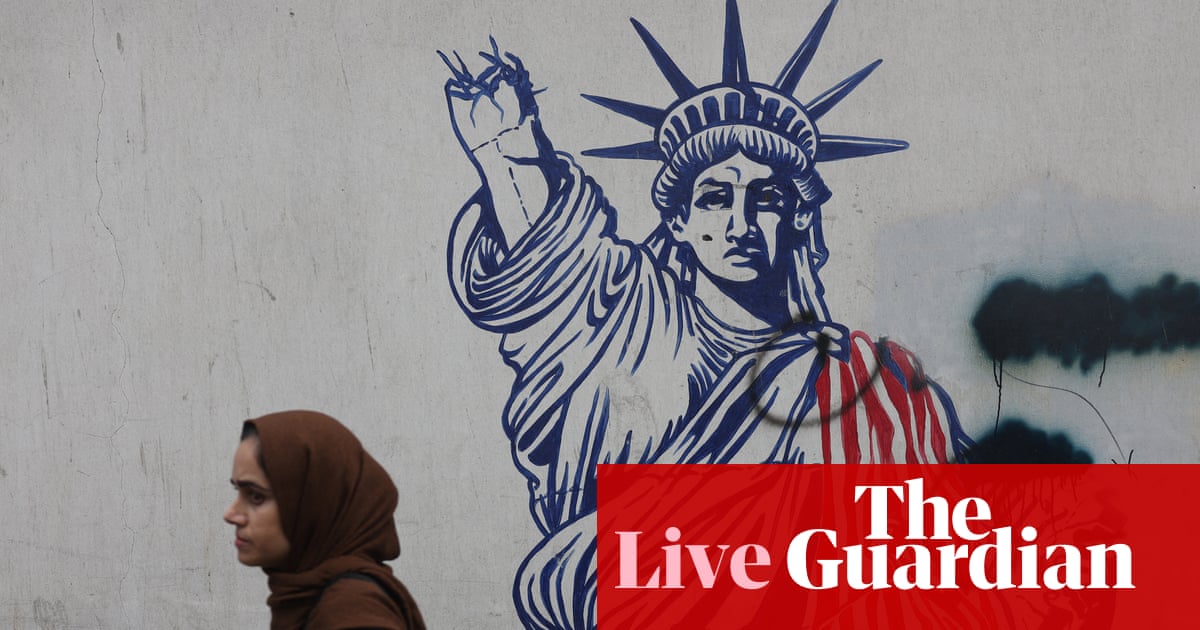
Iran has recently stated that there are no intentions to engage in discussions with the United States, a claim made despite assertions from President Donald Trump regarding potential negotiations. This declaration comes in light of Trump’s earlier comments this past Sunday, in which he suggested that talks could be resuming soon. The official Iranian news agency, IRNA, indicated that the country’s delegation to the UN General Assembly has no planned meetings with U.S. representatives, as reported by sources familiar with the situation.
### Lack of Coordination Amidst Rising Tensions
Although Trump expected negotiations, Iranian officials firmly stated that their delegation’s stance was clear and had been communicated directly to the U.S. through a mediator from Qatar. The IRNA agency confirmed that members of the Iranian delegation are scheduled to return to Tehran shortly. Points of contention between the nations include unresolved issues surrounding the strategic Strait of Hormuz, which has been the focal point of ongoing tensions after recent military actions involving the U.S. and Israel against Iranian positions.
Iran has put forth seven specific conditions aimed at ending hostilities and facilitating the reopening of the vital shipping lane that accounts for approximately 20% of the world’s oil and gas traffic. The strait has seen heightened military presence and blockades, raising alarms about the potential for further escalation.
### Implications for Future Negotiations
Even amid this turbulent backdrop, there are reports suggesting that indirect negotiations, facilitated by Qatar, could take place as soon as today. These discussions may build upon previous dialogues involving U.S. envoys who met with Iranian officials last week. However, the Iranian government has insisted on a comprehensive ceasefire spanning seven days, which includes regions such as Lebanon where Hezbollah, an ally of Iran, has been under frequent attack from Israel.
Iran’s demands for the unfreezing of its foreign assets and relief from oil sanctions, coupled with an end to the U.S. naval blockade, have been met with rejection by Trump, who remains vigilant about America’s stance in the ongoing geopolitical landscape.
### Broader Political Developments
In addition to international affairs, domestic political dynamics in the U.S. are also shifting. The Trump administration is anticipated to announce relaxed fuel economy standards for American automakers, aiming to reduce regulatory burdens in an effort to stimulate car production and save American families on vehicle costs. Furthermore, Trump’s administration has faced scrutiny for restricting press access to certain media outlets, with outgoing officials arguing such actions are within their rights.
Critiques of Trump have also surfaced from within his own party, with figures like Senator Thom Tillis expressing discontent over Trump’s endorsement decisions in local primaries. Meanwhile, the U.S. and China have moved toward cutting tariffs on a reciprocal scale, indicating an effort to stabilize trade relations after recent tensions.
As the political landscape remains charged, the intentions of the Iranian foreign policy and ongoing negotiations with the U.S. will significantly impact both domestic and international sentiments in the weeks and months to come.