
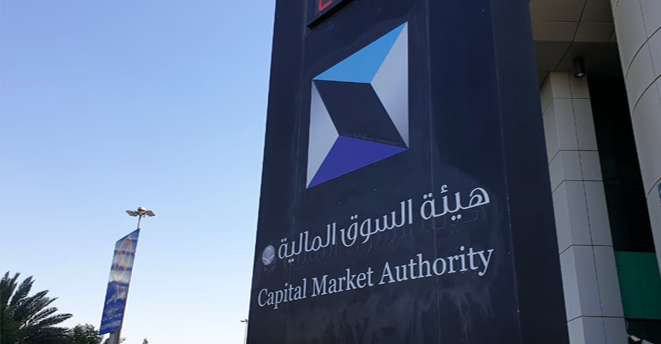
Saudi Arabia’s Capital Market Authority (CMA) is considering new margin requirements that could have significant implications for trading, especially in the context of international markets. Financial experts believe that these proposed rules could enhance risk management for investors while addressing some of the challenges associated with overseas trading. As regulatory environments continue to evolve, it’s crucial for investors and traders to stay informed about these changes.
Understanding Margin Trading Regulations
Margin trading allows investors to borrow funds to trade larger amounts, potentially increasing both profits and losses. As Saudi Arabia opens its financial markets to foreign investors, the need for clear margin regulations becomes paramount. The CMA’s proposed rules aim to set stricter guidelines on margin trading, which could include limits on the amount that can be borrowed based on an investor’s equity. These stricter regulations would provide a safer trading environment, minimizing risks for investors, especially those new to the market.
The Potential Impact on Overseas Trading
The proposed margin rules are expected to have a notable impact on how traders engage with international markets. Experts indicate that having solid margin requirements could discourage excessive risk-taking. Traders often speculate in foreign markets without a thorough understanding of local regulations and market dynamics, which can lead to substantial losses. By implementing stricter margin rules, the CMA could help to protect investors from undue risks associated with leveraging their positions.
Additionally, these rules could instill greater confidence among foreign investors considering entering the Saudi market. A well-regulated environment is likely to attract more institutional investors who prefer to operate under clearer guidelines. This influx could ultimately lead to increased liquidity in the market, benefiting all participants.
Risk Management and Investor Protection
One of the primary goals of the CMA’s proposed margin regulations is to enhance risk management and investor protection. By establishing clear parameters for margin trading, the CMA is taking steps to safeguard investors’ interests. This is particularly important in a volatile market where rapid changes can lead to significant financial losses. Well-defined margin requirements can assist traders in making informed decisions, ultimately resulting in a more stable financial environment.
Furthermore, educating investors about these new regulations will be essential. Many traders may not fully understand how margin trading works or the implications of high leverage. Effective communication and training initiatives can help ensure that all market participants are aware of the risks and opportunities associated with margin trading.
The Future of Margin Trading in Saudi Arabia
As the CMA moves forward with the proposal, it’s essential to consider the long-term implications for the Saudi financial ecosystem. Implementing these margin rules could lead to a more robust market structure that prioritizes stability and transparency. This shift may not only benefit individual traders but could also position Saudi Arabia as a more competitive player in the global financial landscape.
In conclusion, the proposed margin rules by the Saudi CMA represent a significant development in the region’s efforts to enhance market integrity and investor protection. By focusing on responsible trading practices, the CMA is taking a proactive approach to shaping a secure trading environment that can withstand the complexities of international markets. As these changes unfold, investors and traders must remain vigilant and adapt to the evolving regulatory landscape.
By positioning these new regulations as a catalyst for positive change, Saudi Arabia could strengthen its appeal as a destination for both domestic and international investors.