
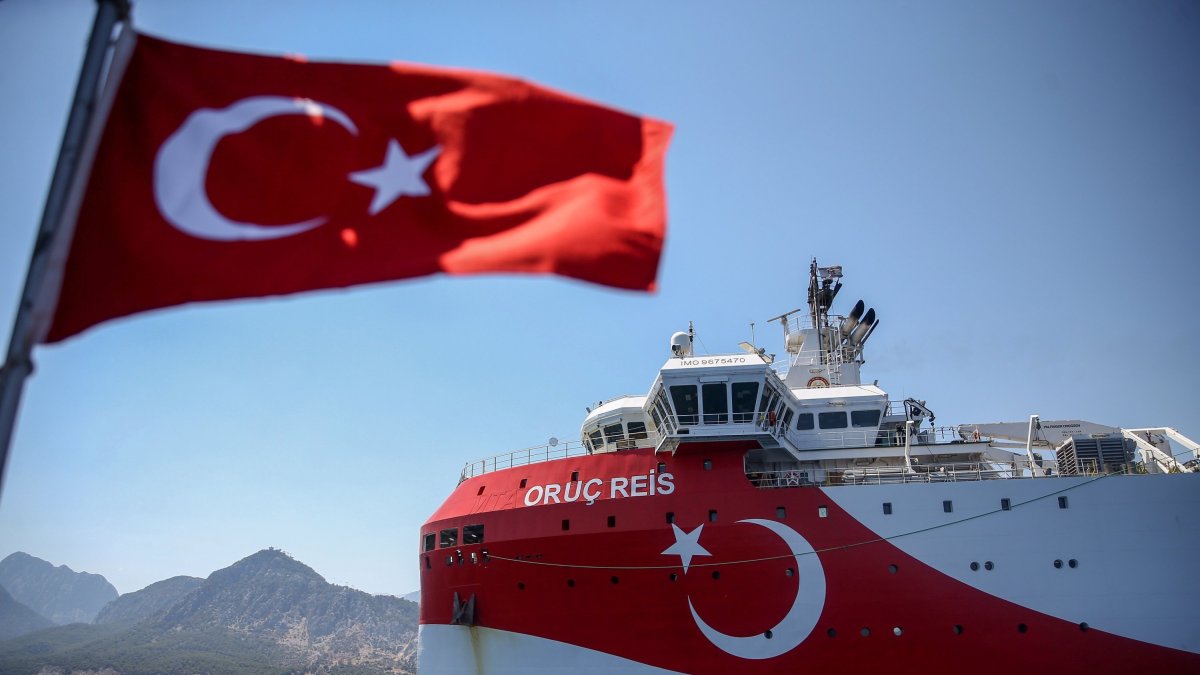
Turkey’s increasing military and diplomatic presence in the Eastern Mediterranean, particularly through its maritime agreement with Libya, has sparked concerns within Israel. Reports indicate that Israeli security sources view Ankara’s expanding influence as a substantial constraint on Israel’s regional maneuverability.
Turkey’s Maritime Deal with Libya
The landmark 2019 agreement between Turkey and Libya established a maritime corridor between the two nations, significantly bolstering Ankara’s strategic position in the Eastern Mediterranean. This deal, according to The Jerusalem Post, effectively circumvents a series of Greek islands, including prominent locations like Crete and Rhodes. As Turkey enhances its military presence in this crucial region, the balance of power is shifting, raising alarm bells in Israel regarding its own strategic interests.
Military Presence and Regional Implications
Turkey’s military initiatives in Libya have expanded noticeably, with increased operations at Libyan ports and enhanced aerial capabilities. This growing military footprint not only solidifies Turkey’s influence within Libya but also secures strategic advantages in exploring the country’s energy resources. The focus on these developments underscores how Turkey’s military prowess allows it to extend its influence over vital maritime routes that reach far beyond its own shores.
Israeli officials are particularly worried about how Turkey’s presence could interfere with regional energy initiatives, specifically a proposed natural gas pipeline intended to connect Israel to the Greek Cypriot administration and subsequently to Greece and Europe. Turkey has asserted that any projects traversing areas within its maritime jurisdiction necessitate its approval, emphasizing its commitment to defending its rights in the Eastern Mediterranean.
The Economic and Security Concerns for Israel
The situation presents critical implications for Israel, as maritime access is pivotal for its economy and security. Approximately 98% of Israel’s imports arrive via sea routes, making any limitations on maritime access a significant concern for the nation. Israeli security analysts warn that Turkey’s expanding influence is creating a precarious environment for Israel, with some describing it as a scenario where “Turkey is cornering Israel.”
In light of these developments, Israeli leaders are compelled to reassess their strategies in the face of Turkey’s assertive regional posture. The complexity of the geopolitical landscape in the Eastern Mediterranean not only presents immediate challenges for Israel but also demands a nuanced approach to navigate the evolving dynamics involving Turkey and its allies.
As both nations vie for influence in this strategically vital area, the implications for regional stability stand to be significant. Turkey’s advances could redefine alliances and prompt responses that may reshape the geopolitical landscape in the Eastern Mediterranean for years to come. With economic interests and security concerns intricately linked to maritime operations, the situation remains fluid, warranting close observation.