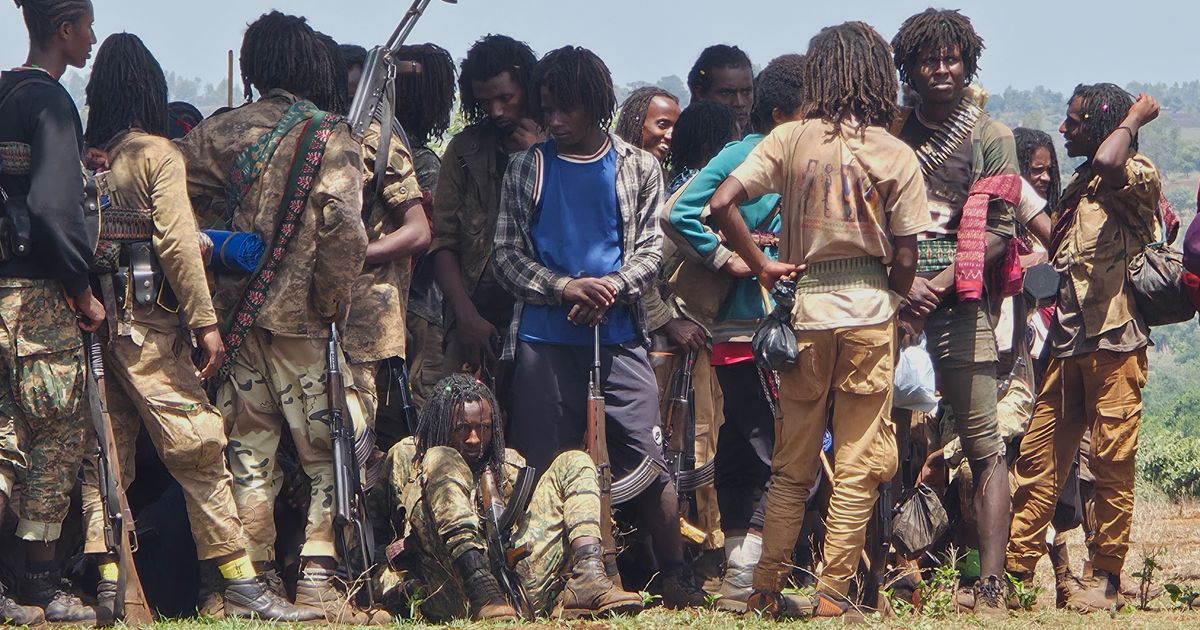
ADDIS ABABA, Ethiopia — Recent comments from Ethiopia’s military chief have heightened tensions in the region as allegations arise regarding foreign support for rebel groups. Field Marshal Birhanu Jula, head of the Ethiopian National Defense Force, has accused Eritrea, Sudan, and Egypt of backing rebel factions that have successfully seized several key towns in northern Ethiopia, intensifying fears of an expanded conflict.
Accusations of Foreign Intervention
Birhanu specifically highlighted Eritrea’s alleged financial backing for the Tigray People’s Liberation Front (TPLF). This group previously engaged in a brutal conflict with the Ethiopian federal government from November 2020 to November 2022, which ended with a peace agreement in Pretoria, South Africa. Despite the truce, underlying tensions persist, particularly with the TPLF’s efforts to regain political influence in the Tigray capital, Mekelle.
In a notable development, TPLF forces reportedly captured the strategically significant town of Erebti in the Afar region over the weekend. A commander associated with the group, who requested anonymity, confirmed the takeover to The Associated Press but suggested that severe fighting had not occurred. This claim was supported by an official from the Tigray Peace Force, a faction now aligned with federal troops.
Surge in Casualties and Humanitarian Concerns
The recent clashes have raised alarms about humanitarian issues in the area. Doctors Without Borders (MSF) reported a dramatic increase in the number of wounded individuals receiving treatment. For example, admissions to the Korem and Alamata hospitals jumped from roughly 180 to over 420 within a span of just two days. MSF also noted that around 300 injured individuals arrived at Suhul Hospital in northeastern Ethiopia the previous week, signaling a troubling escalation in violence.
Ethiopian officials have accused the TPLF of forging alliances with Eritrea to incite instability within the country. Prime Minister Abiy Ahmed’s attempts to secure direct access to the Eritrean port of Assab have aggravated relations with both Eritrea and Somalia, further complicating the geopolitical landscape.
Regional Repercussions and Denials
In response to Ethiopia’s accusations, Eritrea has dismissed the assertions, suggesting that the Ethiopian government is deflecting responsibility for the civil strife. Yemane Meskel, Eritrea’s Information Minister, pointed out on social media that Ethiopia’s quest for port access has heightened regional anxieties and that its efforts to train militias in support of Sudan have exacerbated tensions.
Meanwhile, Sudanese military officials vehemently rejected Ethiopia’s allegations, instead accusing Ethiopia of backing militias that oppose the Sudanese military, referencing the Rapid Support Forces engaged in ongoing conflicts. The complexities of these allegations exemplify how actions on one front can ripple through neighboring nations, amplifying already fragile relationships.
In summary, the situation in the Horn of Africa remains precarious. With external powers alleged to be involved in domestic conflicts, the risk of a broader regional crisis looms large. The developments in Ethiopia not only affect its own citizens but also have significant implications for neighboring countries, as historical grievances and contemporary power struggles collide. The international community is closely monitoring this evolving situation, hoping for a peaceful resolution amid escalating tensions.