Iraq is currently navigating a complex geopolitical landscape, particularly concerning US pressure about Iranian-backed militias operating within its borders. The Iraqi government, along with the militias, is keen on distancing itself from various recent events that have drawn scrutiny, particularly from the United States.
Recent Incidents and Government Responses
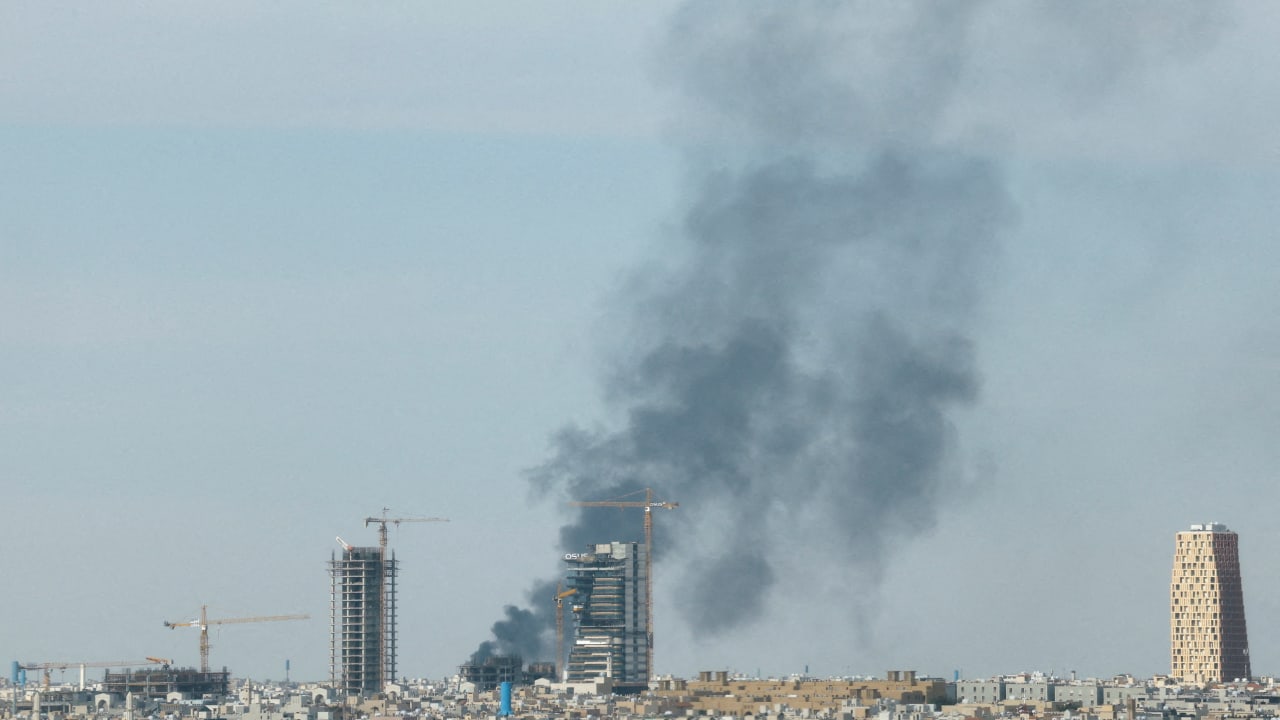
One significant event involved the detention of a member of Kataib Hezbollah, which raised concerns in Iraq about the potential repercussions of such actions. This specific incident also stemmed from the US apprehension of the individual while traveling from Turkey. Additionally, another unsettling development includes reports that three drones allegedly launched from Iraqi soil targeted facilities in Saudi Arabia. Such attacks exacerbate Iraq’s fears of escalating foreign pressure to disband these militias, which could destabilize the newly formed government in Baghdad.
In response to these pressing issues, Iraqi officials have made statements to convey their commitment to regional stability. For instance, as reported by Shafaq News, the Iraqi government condemned the drone attacks on Saudi Arabia and expressed a readiness to collaborate in investigations. This response follows growing frustration from the Saudi side over the drone incidents, which reinforce concerns about Iraqi security and the operational independence of Iranian-affiliated groups within Iraq.
Iraq’s Position on Militia Operations
Iraq’s Ministry of Foreign Affairs has reiterated its stance against any threats to the security of its neighboring countries. Following allegations regarding drone attacks, Iraq requested Saudi Arabia share pertinent intelligence to address these incidents. However, Baghdad emphasized it did not detect any threats with its limited air surveillance systems. The Ministry acknowledged receiving preliminary information about the attacks while underscoring the nation’s rejection of any actions that could jeopardize the stability of its regional allies.
Meanwhile, the government faces mounting scrutiny regarding the alleged involvement of Iranian-backed militias in numerous assaults against Saudi Arabia. This situation becomes even direr as evidence suggests that these militias have committed various attacks throughout the region, particularly amid ongoing conflicts tied to Iranian interests.
Political Dynamics and U.S. Relations
As Iraq grapples with the local implications of international pressures, significant political shifts are also underway. Iran appears to be strengthening its influence among Shi’ite factions in Iraq in light of the recent governmental changes. Notably, discussions among key Shi’ite leaders seem to reflect a desire to unify the bloc against external pressures, especially concerning militias linked to Iranian authority.
In this delicate situation, the US has accused individuals linked to Kataib Hezbollah of terrorism, citing their connections to regional hostilities. Iraq, for its part, is denying any affiliations with these individuals, seeking to establish a more distinct national identity away from Iranian influence. Through various public statements, Iraqi officials have declared their intention to enhance security cooperation with neighboring countries, aiming for stability and to avoid further sanctions or military confrontations.
Ultimately, the responses from Iraq’s government reflect an urgent need to strike a balance between grappling with internal militia influences and managing complex foreign relations, particularly with significant players like the US and Saudi Arabia. Iraq’s commitments may play a pivotal role in determining its future stability amid the challenging dynamics tied to Iranian influence in the region.