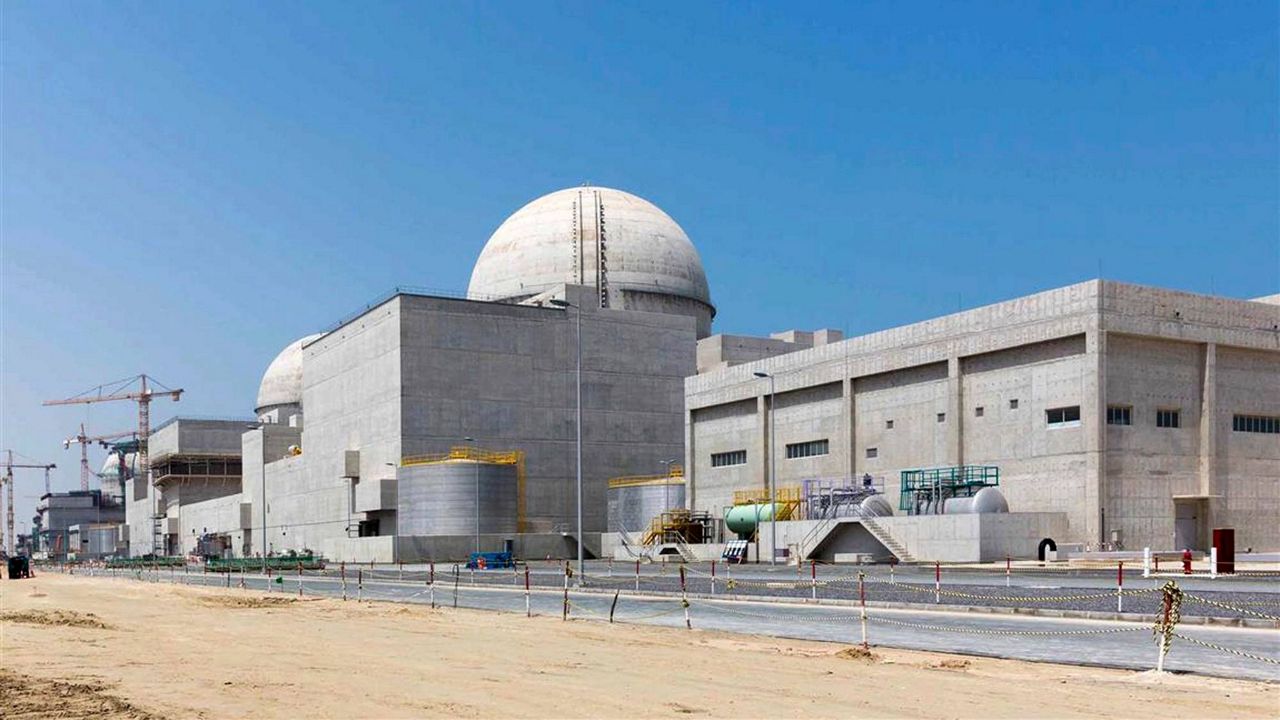
DUBAI, United Arab Emirates — The recent drone assault on the Barakah nuclear power plant in the UAE has been traced back to Iraq, according to the nation’s Defense Ministry. This revelation points to the likely involvement of Iranian-backed Shiite militias in the attack. As tensions in the region continue to escalate, the implications of this incident raise several critical concerns for international security and regional stability.
Details of the Attack
The attack on Barakah marked a significant escalation in drone warfare targeting Gulf Arab nations, particularly following the U.S. and Israeli campaign against Iran that began earlier this year. While no injuries or radiological breaches were reported at the Barakah facility, the drones reportedly targeted a generator on the plant’s outskirts. The UAE has previously accused Iran of executing drone and missile strikes even after a ceasefire agreement commenced on April 8.
Consequently, U.S. President Donald Trump has indicated his intention to allow a few days for Iran to demonstrate progress in peace discussions before considering a revival of military actions. Notably, Trump has expressed uncertainty on deadlines, though he suggested that a more concrete timeline may emerge as early as next week. The consistent tension over the Strait of Hormuz, a critical maritime route for energy transport, highlights the precarious nature of stability in the region.
Political Reactions and International Concerns
No group has officially claimed responsibility for the drone offensive, but the involvement of Iranian actors is widely suspected. Iraq’s government has condemned the attacks, emphasizing the necessity of cooperation to avert further destabilization in the region. Spokesman Bassem al-Awadi expressed the importance of safeguarding the stability and sovereignty of both friendly and neighborly nations. The broader implications of these drone strikes indicate a possible shift in regional alliances and a move toward a more militarized response to perceived threats.
Despite the rising tensions, efforts for diplomatic engagement persist. Trump noted that he had momentarily considered launching strikes before rescinding that decision, emphasizing ongoing negotiations aimed at settling the conflict. The primary sticking points in these discussions include the reopening of the Strait of Hormuz for commercial vessels and disagreements regarding Iran’s nuclear ambitions, which Iran asserts are for peaceful purposes.
Increased Maritime Traffic and Economic Implications
Maritime traffic through the Strait of Hormuz saw a remarkable increase last week, doubling to 54 ships compared to the previous week’s 25. However, this number remains significantly lower than pre-war averages, which often exceeded 130 vessels daily. The uptick in traffic is noteworthy, especially as it includes ships owned by China that obtained passage from Iran amidst the ongoing sanctions that have severely constrained Iran’s oil exports.
Iran’s current stance involves a complicated vetting process for vessels departing the Persian Gulf, often targeting U.S. and Israeli ships for exclusion. The nation’s reliance on China as a crucial buyer for its sanctioned oil makes these maritime movements even more critical in maintaining economic stability and engaging in international trade.
In summary, the drone attacks on the Barakah nuclear power plant underscore the fragile state of security in the Gulf region. As nations navigate complex diplomatic waters, each new development will play an essential role in shaping the future dynamics of regional relationships and international policies concerning Iran. The global community will be watching closely as negotiations progress, and the broader implications of these tensions unfold.