
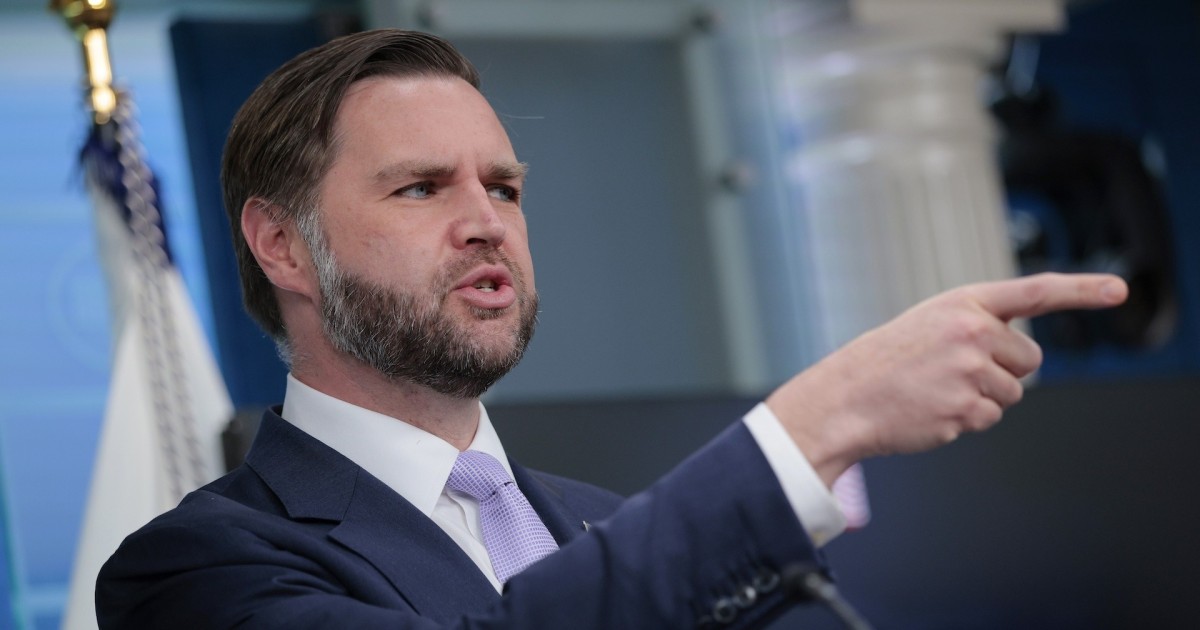
The negotiations between the U.S. and Iran have recently become a focal point of international relations, with various statements and implications emerging from both sides. Vice President JD Vance has been vocal about the clarity the U.S. has maintained during these discussions. This dialogue is critical, not only for the involved nations but also for global stability and geopolitical dynamics.
The Importance of Clarity in U.S.-Iran Relations
Vice President JD Vance emphasized that the United States has been “as clear as possible” in its communication with Iran during negotiations. Clarity in diplomacy is essential as mixed messages can lead to misunderstandings, potentially escalating tensions between nations. This is particularly relevant given the historical complexity of U.S.-Iran relations, which have been fraught with hostilities and mistrust. The current diplomatic approach aims to facilitate more constructive discourse, reducing the risk of miscalculations that could lead to conflict.
Trump’s Stance on the Iran Negotiations
Former President Donald Trump has also made headlines with his views on the ongoing negotiations. While overseeing renovations at the White House, Trump commented on the U.S.-Iran dynamic, expressing concerns over the implications of financial considerations in foreign policy decisions. Trump’s perspective highlights the notion that national interests must be assessed without letting economic factors overly influence critical diplomatic relations. His remarks indicate a belief that strong, decisive actions should lead U.S. policy in relation to Iran rather than a focus on immediate financial repercussions.
Military Action and Diplomatic Efforts
As tensions continue to simmer, discussions around military action remain on the table. Recent dialogues following high-level meetings, including talks with China’s Xi Jinping, have raised questions about the U.S.’s military posture in the Middle East. Speculation regarding potential military measures post-negotiation emphasizes the pressing nature of this geopolitical issue. The decisions made in these negotiations may affect not only U.S.-Iran relations but also broader alliances and regional security.
Future Implications for U.S.-Iran Diplomacy
The outcomes of these diplomatic efforts will have lasting implications. Vance’s comments stress the importance of maintaining clear communication, while Trump’s statements suggest a multifaceted approach involving both military readiness and economic considerations. The key to effective negotiation will lie in the ability of both sides to understand each other’s positions transparently. As the international community watches closely, the stakes of these discussions grow higher, underscoring the critical role of diplomacy in achieving a stable and peaceful resolution.
Understanding the nuances of this situation is crucial for those following geopolitical affairs. As developments unfold, it is vital to keep informed about how these negotiations evolve and how they could potentially reshape the landscape of international relations.