
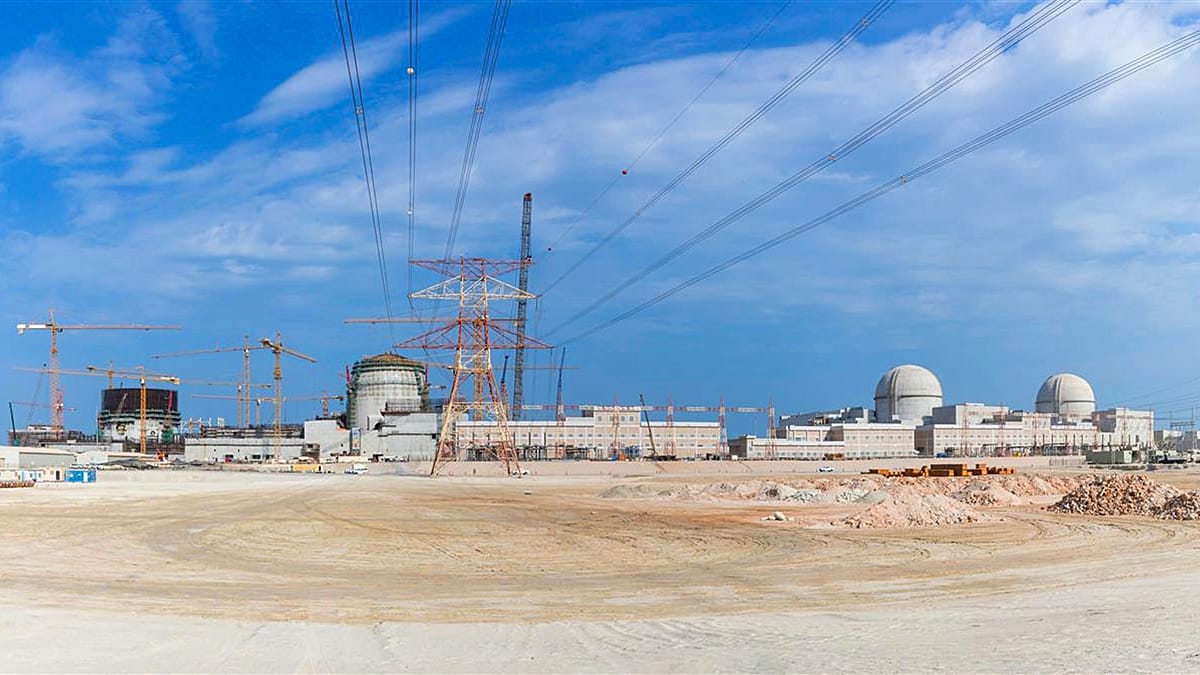
In recent developments, the UAE revealed that drones attacking its Barakah nuclear facility originated from Iraq. This incident highlights ongoing threats to Gulf energy infrastructure, allegedly orchestrated by militias sympathetic to Tehran.
Understanding the Threat Landscape
The escalating tensions in the Gulf region continue to pose significant risks to energy resources. The attack on the Barakah nuclear plant underscores a broader pattern of hostile actions carried out by Iran-aligned groups. This situation is alarming for both the UAE and the surrounding countries, as energy security is paramount for economic stability. Drones, increasingly employed as strategic tools in regional conflicts, represent a shift in how threats are perceived and managed within the vital energy sector.
Implications for Gulf Energy Infrastructure
The assault on such critical installations as the Barakah nuclear plant raises fundamental questions about the vulnerability of Gulf energy infrastructure. As one of the world’s largest oil-producing regions, the Gulf is pivotal not just for local economies but also for global energy markets. Any disruption, particularly from militarized drones, could have repercussions that extend far beyond regional borders. This incident, therefore, highlights the necessity for enhanced security measures to safeguard these vital assets.
The Role of Iranian-backed Militias
Iranian-backed militias have become increasingly active in the region, complicating the security landscape. Their involvement in attacks against Gulf energy infrastructures indicates not only a tactical escalation but also a broader geopolitical strategy aimed at undermining the influence of rival states. Such militias serve as proxies for Iran, allowing it to exert power while creating plausible deniability. This dynamic poses a challenge for governments in the region, prompting them to reassess their military and diplomatic strategies.
Moving Forward with Resilience and Strategy
In light of these burgeoning threats, it is essential for Gulf nations to enhance their defensive capabilities. Increased investments in cybersecurity and drone detection systems can significantly mitigate risks to critical infrastructure. Additionally, fostering collaborative defense initiatives among Gulf Cooperation Council (GCC) members can create a united front against potential aggressors. Tackling the menace posed by Iranian-backed entities will require concerted efforts, both on the ground and in the diplomatic arena.
In summary, the recent drone attacks on the UAE’s Barakah nuclear facility not only underline the vulnerabilities in Gulf energy infrastructure but also highlight the ongoing influence of Iranian-backed militias in the region. As geopolitical tensions escalate, it is imperative for Gulf states to adopt a multi-faceted approach to safeguard their assets and ensure regional stability. The future of energy security in the Gulf hinges on proactive measures tailored to address these evolving threats.