
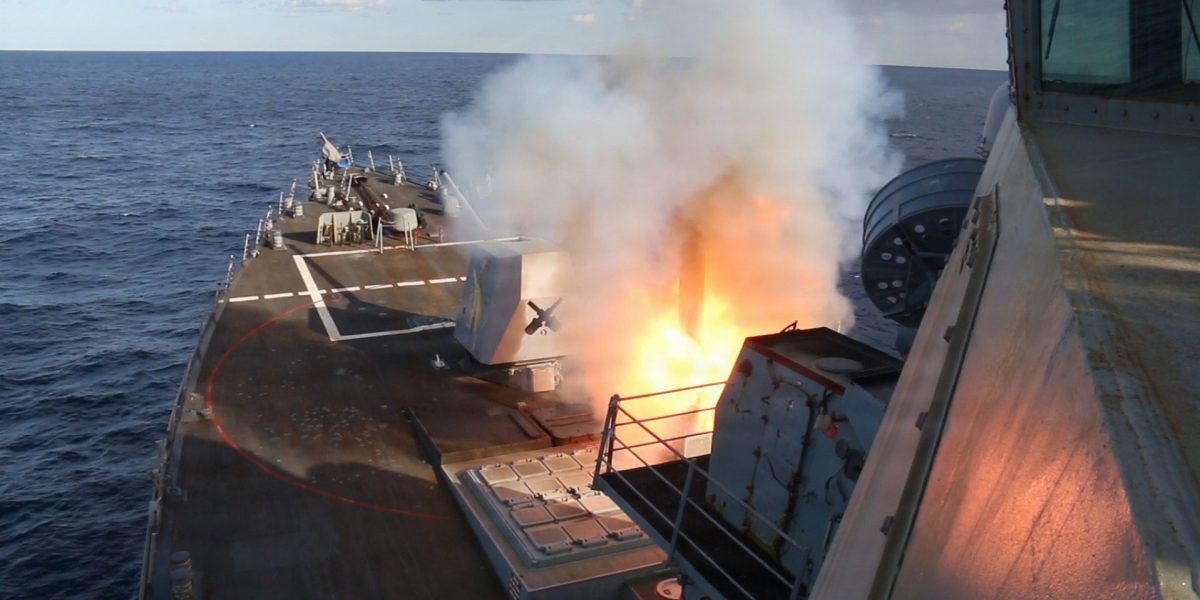
As the U.S. continues to grapple with increasing casualties in the ongoing conflict with Iran, recent developments raise questions about the Trump administration’s strategies and the realities on the ground. On July 7, the administration announced the conclusion of Operation Epic Fury in a bid to spin the narrative surrounding the war. However, the aftermath has proven to be more troubling than anticipated.
Increasing Soldier Casualties Post-Epic Fury
In the weeks following the conclusion of Operation Epic Fury, U.S. military injuries and deaths have surged. Official Pentagon statistics reveal that out of 880 U.S. troops affected in total, 444 casualties occurred after July 7. The month of September alone has seen nearly 100 U.S. personnel either wounded or killed, exacerbating the rising trend of military losses. This uptick in casualties, including 29 Navy sailors and eight Marines, reflects the intensified hostilities.
Reports indicate that these injuries arose from a targeted cruise missile strike on September 14, impacting Marines stationed in the Strait of Hormuz. These soldiers reportedly suffered multiple injuries, including brain trauma, highlighting the growing danger faced by U.S. forces in this volatile region. The increasing frequency of Iranian attacks, including the wounding of Navy personnel, signals a disturbing escalation of confrontations.
The Broader Impact on U.S. Operations
The conflict’s impact extends beyond immediate troop injuries. Recent intelligence notes that air defense systems have faced growing pressures from Iranian capabilities. Data reveal that U.S. military installations have undergone over 15 attacks, affecting bases throughout the Middle East. With hundreds of facilities experiencing damage, the operational space for U.S. forces is becoming increasingly constrained.
Moreover, the aftermath of these missile strikes has forced military personnel into action to conduct repairs and maintain readiness, further stretching resources. During just over a month, the Air Force engaged in 48 airfield repairs, reflecting an urgent need to adapt to the rapid changes in the conflict landscape. The ramifications of these strikes are not limited to immediate casualties; long-term military preparedness and logistics are at risk.
Debate Over Casualty Reporting
Questions around the transparency of casualty reporting have intensified amid these developments. Numerous sources indicate discrepancies in the official numbers, prompting concerns over potential “casualty cover-ups.” Critiques of the Department of Defense suggest that recent reporting delays may stem from a mix of incompetence and a strategy to mitigate public backlash. Recent incidents have taken far longer to report than in the past, raising eyebrows among military analysts and former officials alike.
The Pentagon’s casualty figures are also under scrutiny, particularly as high-profile incidents, including the untimely deaths of personnel, have not always registered promptly in official tallies. This discrepancy raises significant ethical questions about transparency and accountability in military operations, especially as casualties continue to mount.
The Path Forward
As U.S. military forces navigate an increasingly perilous operational environment, the way forward remains fraught with challenges. Diplomatic avenues appear to have stalled, as the conflict shows no signs of abating. The situation in the Strait of Hormuz has become emblematic of the broader risks involved in U.S.-Iran relations, underscoring the importance of swift and transparent communication regarding casualties and military readiness.
In light of rising casualties and sustained assaults, it is evident that both military strategies and public narratives will require reevaluation as U.S. forces continue to engage in a complex and costly conflict. Understanding the evolving dynamics of the situation is vital for policymakers and the general public alike, as they assess the broader implications of ongoing military engagement in the region.