
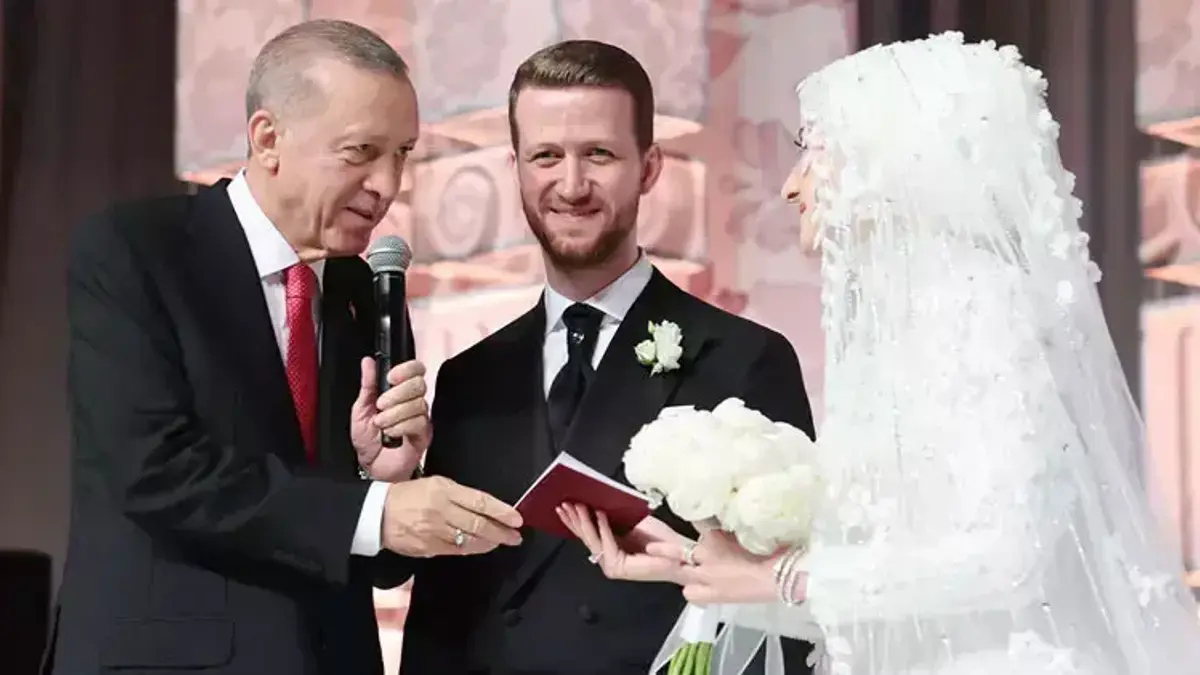
Turkey’s stock market is currently under investigation for manipulation linked to troubled investment funds that manage around $18 billion in assets, jeopardizing the savings of nearly 456,000 investors. The Capital Markets Board (SPK) has confirmed this ongoing inquiry, which indirectly highlights the business network of Üsame Erdogan, nephew of President Recep Tayyip Erdogan. Though Üsame Erdogan has not been named a suspect, scrutiny of his ventures raises significant questions about potential connections to this crisis.
The Nature of the Crisis
The allegations suggest that various investment funds amassed substantial positions in illiquid stocks, thereby artificially inflating their prices and attracting more investors. However, when these investors sought to retrieve their capital, the funds faced dire consequences, needing to sell shares at a loss, which exacerbated market volatility and eventually caused a steep decline. The investigation has already led to the arrest of numerous individuals, including prominent executives from major portfolio management firms. Notably, a former government minister recently resigned amid accusations of profiting through manipulative trading practices.
Üsame Erdogan and 1000 Yatırımlar
Üsame Erdogan, 31 and son of President Erdogan’s brother, is the chairman of 1000 Yatırımlar Holding, which he co-founded in March 2022. He holds a significant stake in the firm, boasting about 18.37 percent ownership and controlling 24.09 percent of the voting rights. The company’s rapid expansion encompasses a range of sectors, including mobility, energy, software, and technology, raising questions about the legitimacy of its growth.
In November 2023, 1000 Yatırımlar went public on Borsa İstanbul, Turkey’s stock exchange. During the IPO, Üsame Erdogan appeared alongside Enver Çevik, founder of EC Yatırımlar Holding, which has established ties with 1000 Yatırımlar from its inception. Corporate records indicate that these firms share a network of founders and benefactors, hinting at interconnected interests that could complicate the investigation.
Financial Performance and Investments
Despite reported substantial profits, questions linger about 1000 Yatırımlar’ financial integrity. In the first quarter of 2025, the company noted a net profit of approximately 5.05 billion lira, a staggering increase compared to just 827,727 lira the year prior. However, these figures stemmed largely from investment activities, including fair value gains that do not translate to actual cash flow. In fact, the company reported no revenue from conventional sales during this period, casting doubt on the sustainability of its claimed financial success.
Moreover, the financial statements reveal that as of June 30, 2026, 1000 Yatırımlar possessed over 18.1 billion lira in financial investments. The company recorded various income streams relating to investment activities, with reported gains contributing to the inflated profit margin but failing to verify the absence of market manipulation.
Continuing Investigations and Conclusions
The liquidity crisis that struck Turkey’s stock market in September 2026 highlighted the vulnerabilities of investment funds holding illiquid stocks, prompting a broader investigation by the Istanbul Chief Public Prosecutor’s Office into alleged market manipulation and various trading irregularities. As authorities continue to detain individuals connected to the crisis, the search for accountability extends to prominent figures linked with Üsame Erdogan, even as he remains unscathed by official accusations thus far.
As the investigation unfolds, it raises essential questions about the ethics and transparency of market activities tied to political figures. While Üsame Erdogan and 1000 Yatırımlar have not yet been implicated in proven illicit activities, the tangled web of ownership and business relationships continues to attract scrutiny, urging a closer examination of Turkey’s financial landscape under the leadership of President Erdogan’s administration.