
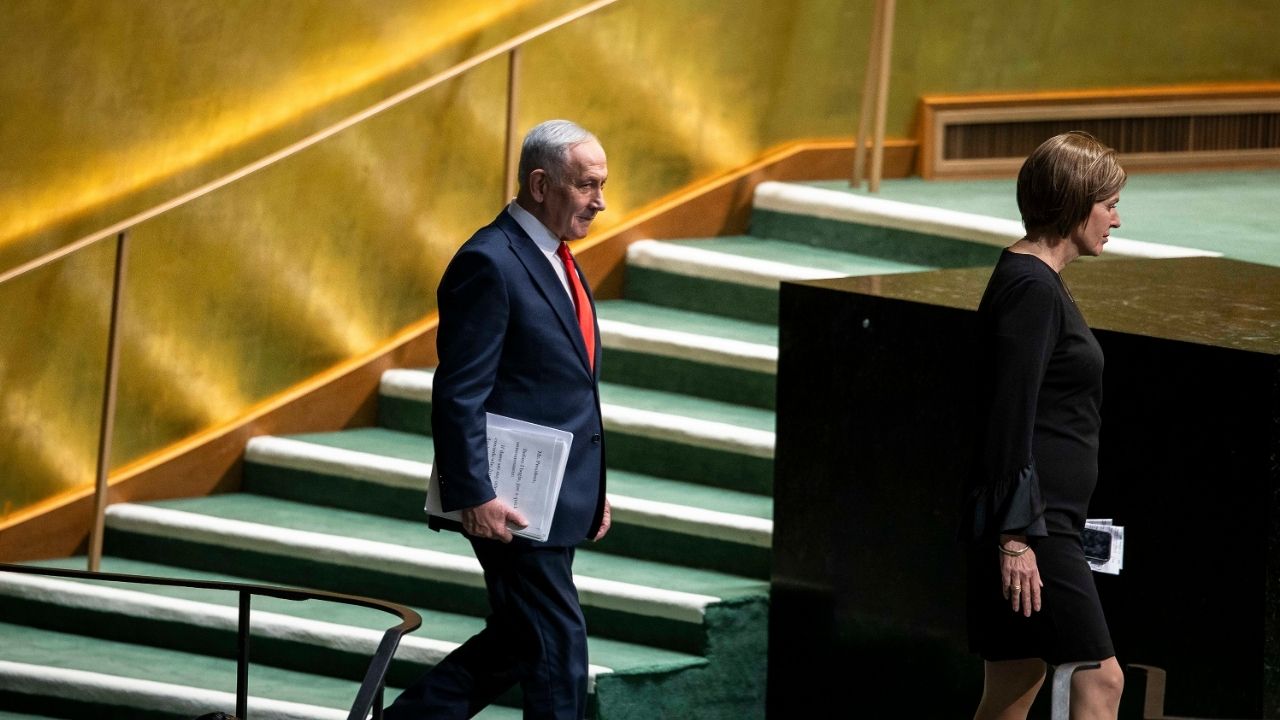
Benjamin Netanyahu recently made headlines with his visit to the United Arab Emirates (UAE), marking a significant moment in diplomatic relations between the two nations. As the Prime Minister of Israel, Netanyahu’s trip carries considerable weight and has the potential to influence the region’s political landscape. This visit is a continued effort to bolster ties that were only formalized in the historic Abraham Accords, an agreement that reshaped Middle Eastern diplomacy.
Significance of Netanyahu’s Visit
Netanyahu’s journey to the UAE signifies much more than a mere diplomatic engagement. It represents a reinvigoration of the relations that were established under the Abraham Accords, cementing Israel’s role as a key player in the region. This meeting could foster collaboration on various fronts, including security, trade, and cultural exchanges, creating a more stable Middle East environment.
The implications of this visit extend beyond bilateral relations, as they also resonate throughout the broader Arab world. Netanyahu aims to demonstrate that Israel is serious about building ties with its neighbors, potentially encouraging other nations to follow suit. This new wave of partnerships could pave the way for peace negotiations with other countries, contributing to a more harmonious regional dynamic.
Economic Opportunities Ahead
An essential aspect of Netanyahu’s visit revolves around economic collaboration. The UAE has emerged as a global economic powerhouse, and Israel stands to gain significantly by fostering stronger trade relations with it. With ongoing discussions centered around technology, innovation, and tourism, both countries can benefit from shared resources and expertise.
The UAE’s investment in Israeli startups and technological initiatives could create numerous opportunities for growth and development. Enhancing these economic ties could potentially lead to anincrease in job creation and prosperity for both nations. Furthermore, encouraging tourism between Israel and the UAE would foster cultural understanding and appreciation, thereby solidifying the foundations of their newfound partnership.
Security and Stability in the Region
Another critical outcome of Netanyahu’s visit is the potential for enhanced security cooperation. In a region often marred by conflict and tension, strong alliances are vital in countering common threats. Collaborating on intelligence-sharing and military strategies can fortify both nations against external pressures, particularly from regional adversaries.
This partnership can help establish a framework for collective security in the Middle East, serving as a deterrent to aggression and contributing to overall stability. As both nations confront shared challenges, mutual support can enhance their resilience and readiness to navigate complex geopolitical landscapes.
The Road Ahead for Israel and the UAE
Looking ahead, Netanyahu’s visit to the UAE serves as a catalyst for continued diplomatic efforts between Israel and its Arab neighbors. The positive outcomes of this meeting could inspire broader discussions involving other nations in the region.
As both countries work towards a common goal of peace and collaboration, Netanyahu’s presence in the UAE signifies a turning point that could redefine relationships in the Middle East. The success of this visit hinges on follow-up actions and commitments from both sides, creating a lasting framework for cooperation. Overall, the ramifications of this diplomatic initiative will likely shape Israel’s future interactions, setting the stage for further advancements in regional harmony.