Israel’s Plans for West Bank Settlements
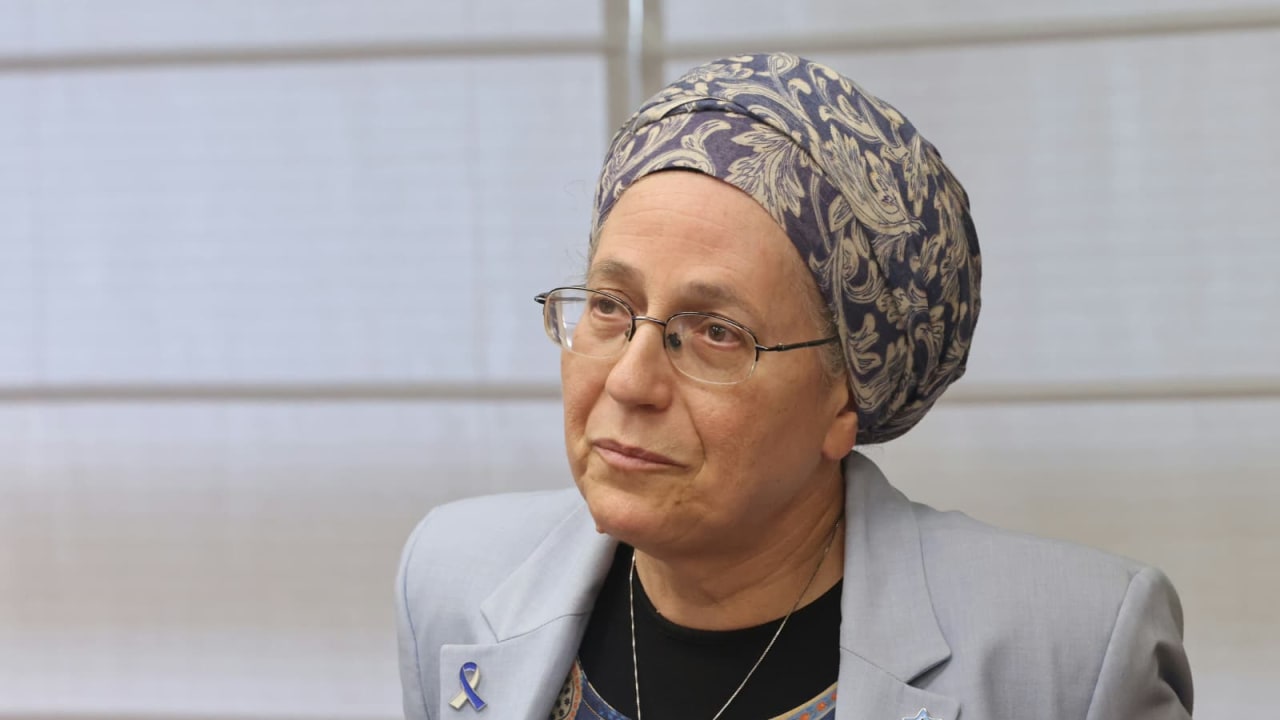
Recently, Minister of National Missions Orit Strock announced plans for future settlements in the West Bank, specifically speaking at the Karmei Tzur settlement near Hebron. Her remarks underscored a commitment to expanding Israel’s presence in this sensitive region despite restrictions from existing agreements.
Plans for New Towns in Strategic Areas
During her address, Strock mentioned ambitious plans to construct four new towns in the West Bank, although she acknowledged that the government is limiting the construction of two due to their location in Area B. This statement is significant, as it reflects ongoing efforts to enhance Israel’s foothold in territories that are widely regarded as contested. Areas A, B, and C were established by the Oslo Accords in the 1990s, delineating various administrative jurisdictions in the West Bank.
Strock emphasized the importance of developing towns in both Areas A and B, asserting, “With your help, towns will be built in Area B, and also in Area A, because both A and B are the Land of Israel.” This assertion suggests a broader intent to unite the entirety of the West Bank under Israeli governance, conflicting with international positions advocating for a two-state solution.
International Response to Settlement Expansion
The announcement comes at a time when the foreign ministers of twelve countries expressed plans to impose restrictions on trade involving goods produced in Israeli settlements. This type of international response indicates deepening global concerns about the legality and ethical implications of settlement expansion in disputed areas.
Strock’s remarks also align with the platform of the far-right Religious Zionist Party (RZP), led by Finance Minister Bezalel Smotrich. The minister emphasized that the movement to “fix all of Oslo’s problems” is well underway, referring to the policies established by the accords regarding Israel’s presence in the West Bank.
The Role of National Security
In a parallel commentary, National Security Minister Itamar Ben-Gvir indicated his intent to disregard the distinctions between Areas A, B, and C if appointed as defense minister. He stated, “Areas A and B will be treated exactly like Area C.” This strong stance on national security illustrates the changing dynamics regarding how different regions within the West Bank are viewed and governed.
Strock concluded her speech with a passionate declaration that Israel will continue to build settlements throughout the Land of Israel, stating, “We, with God’s help, are going to build towns in every corner of the Land of Israel.” Such statements highlight the religious and historical motivations behind the ongoing settlement policies.
The plans for settlement expansion in the West Bank remain a contentious topic, eliciting varied responses from domestic and international observers. As Israel moves forward with its intentions, the implications for peace and stability in the region will continue to be debated extensively.