
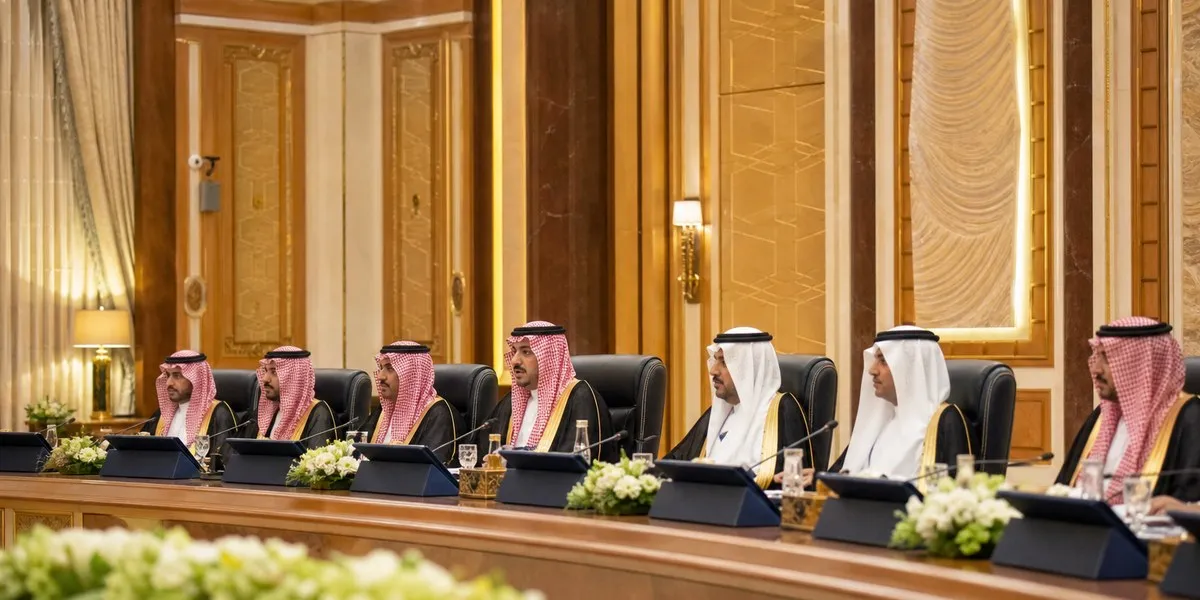
In a recent Cabinet meeting held in Riyadh, Saudi Arabia reiterated its commitment to maintaining secure navigation in crucial maritime corridors. Chaired by Crown Prince Mohammed bin Salman, the discussion emphasized that any attempt to exploit these sea routes for political leverage or aggression is unacceptable, affirming the nation’s stance on international maritime law.
Freedom of Navigation in Strategic Waters
The Saudi Cabinet underscored the essential nature of free navigation through significant waterways such as the Strait of Hormuz, Bab el-Mandeb Strait, Red Sea, and Gulf of Aden. Officials highlighted the necessity of restoring pre-February 28 conditions in the Strait of Hormuz, demanding that no additional fees or restrictions be placed on vessels traversing these vital trade routes. This commitment is crucial not only for Saudi Arabia’s own interests but also for global trade stability.
The Cabinet welcomed a recent statement from the UN Security Council that denounced the ongoing hostilities perpetrated by the Houthi movement against both Saudi targets and commercial vessels. This condemnation echoed concerns regarding the security of navigation in the Red Sea and Bab el-Mandeb Strait, as well as the negative impact these threats impose on the ongoing peace efforts in Yemen.
Saudi Arabia’s International Position
Saudi Arabia’s position on maritime safety aligns with established international laws and relevant United Nations resolutions, according to Minister of Information Salman al-Dosari. The kingdom views the protection of these maritime routes not just as a national priority, but also as part of a broader international obligation to ensure safe passage for all shipping activities. The importance of these trade routes extends beyond the region, affecting global energy supplies and trade dynamics.
During the Cabinet session, Crown Prince Mohammed bin Salman provided updates regarding his recent engagements with various international leaders. He discussed phone conversations with notable figures such as Russian President Vladimir Putin and Qatari Emir Tamim bin Hamad Al Thani. These discussions focused on bilateral relations and shared efforts to enhance security and stability in the region.
Strengthening Diplomatic Ties
In addition to his conversations with Putin and Al Thani, the Crown Prince also briefed the Cabinet on his meeting with Mansour bin Zayed Al Nahyan, Vice President and Deputy Prime Minister of the United Arab Emirates. This dialogue was part of ongoing efforts to foster cooperative relations and address regional developments, reinforcing the significance of alliances in promoting both security and diplomatic engagements.
The mixed landscape of regional politics necessitates robust dialogue and partnerships. These interactions underline Saudi Arabia’s proactive approach in seeking not just national security, but also regional harmony. By establishing collaborative frameworks with neighboring countries and beyond, Saudi Arabia aims to fortify its role in regional stability while safeguarding critical maritime routes essential for global trade.
In conclusion, the Saudi Cabinet’s recent statements reflect a firm commitment to ensuring security in vital maritime corridors, which plays a crucial role in regional and international stability. The Kingdom stresses the importance of international law in navigating these waters, which are not just vital to the region but to global commerce.