
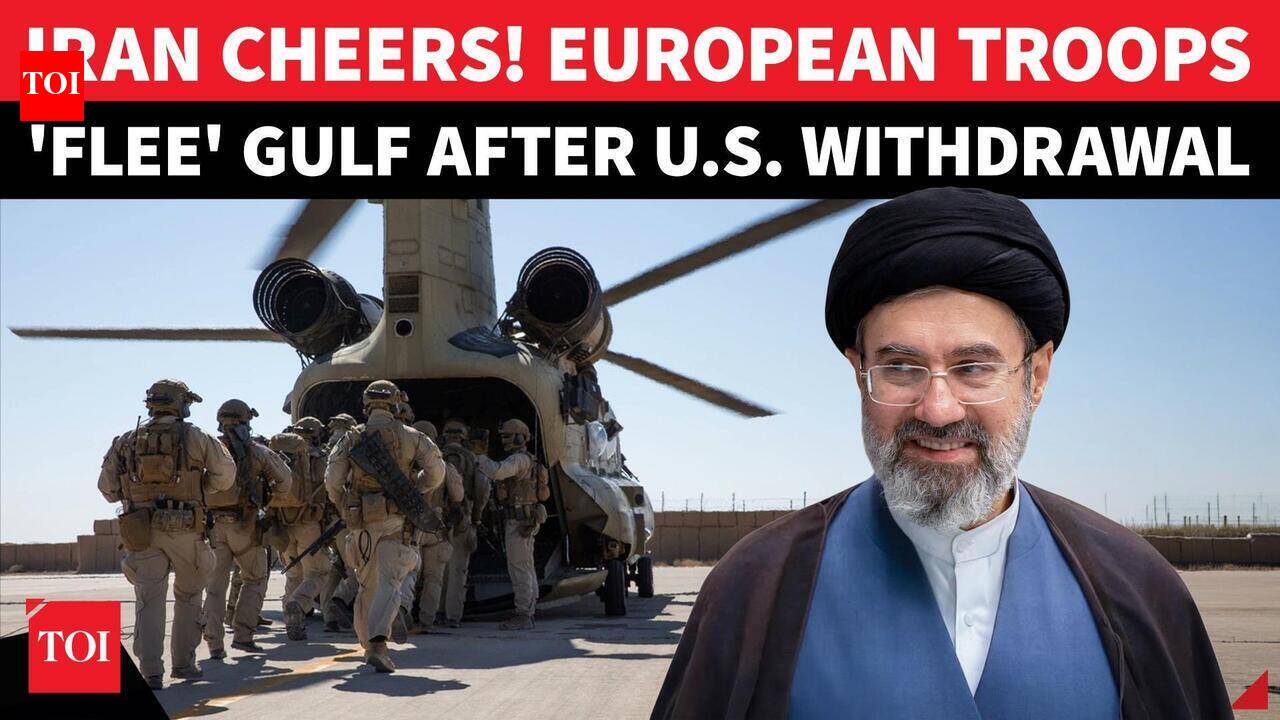
Italy has officially withdrawn its final troops from Iraq, marking the end of a military presence that lasted for 12 years. This significant move reflects the gradual reduction of the US-led international coalition’s military operations in the region. Italian forces had been active in the fight against ISIS, focusing on training and supporting Iraqi security personnel and conducting operations in the Kurdistan region.
Shift in Military Presence
The departure of Italian troops symbolizes a broader trend as nations reassess their involvement in Iraq. Germany also concluded its military advisory mission in Iraqi Kurdistan in August, further decreasing the European military footprint in the region. These withdrawals align with the United States’ plans to pull out its remaining forces by September 30, following a mutual agreement with Baghdad in 2024 to taper the US-led military operations against ISIS.
This transition represents a drastic evolution of US troops in Iraq. During its height in 2007, over 170,000 American soldiers were stationed in the country. However, the role of these forces has significantly shifted over the years. The current American military presence primarily focuses on advising and assisting Iraqi security forces rather than engaging directly in combat.
Iraq’s Evolving Security Landscape
As foreign troops exit, the Iraqi government is gradually assuming greater control over the nation’s security. While this marks a pivotal moment for Iraq, the country is still confronted with various security challenges. ISIS remnants continue to pose a threat, and Iran-backed militias remain heavily armed and influential within Iraqi borders. The evolving security landscape necessitates continuous vigilance and strategic planning to ensure stability in the region.
The withdrawal of international troops not only impacts military dynamics but also has broader socio-political implications for Iraq. As the Iraqi government seeks to consolidate security and governance, the support of the international community remains crucial to enhance internal capabilities and counter terrorism effectively.
The Future of International Engagement
Looking ahead, the future of international engagement in Iraq will likely focus on diplomatic and developmental efforts rather than military presence. Supporting Iraq through humanitarian aid, economic development, and robust social programs may prove essential in strengthening the nation’s stability. Collaborations in various sectors, including education and infrastructure, can assist Iraq in achieving long-term security and prosperity.
In summary, Italy’s troop withdrawal marks the conclusion of an era of military intervention in Iraq, coinciding with a significant decrease in foreign military presence. As Iraq assumes greater responsibility for its security, the international community must pivot toward supportive roles that empower the national government and its institutions to combat ongoing threats effectively. This transition not only lays the groundwork for Iraq’s independence but also underscores the complex nature of global military alliances in the face of evolving geopolitical realities.