
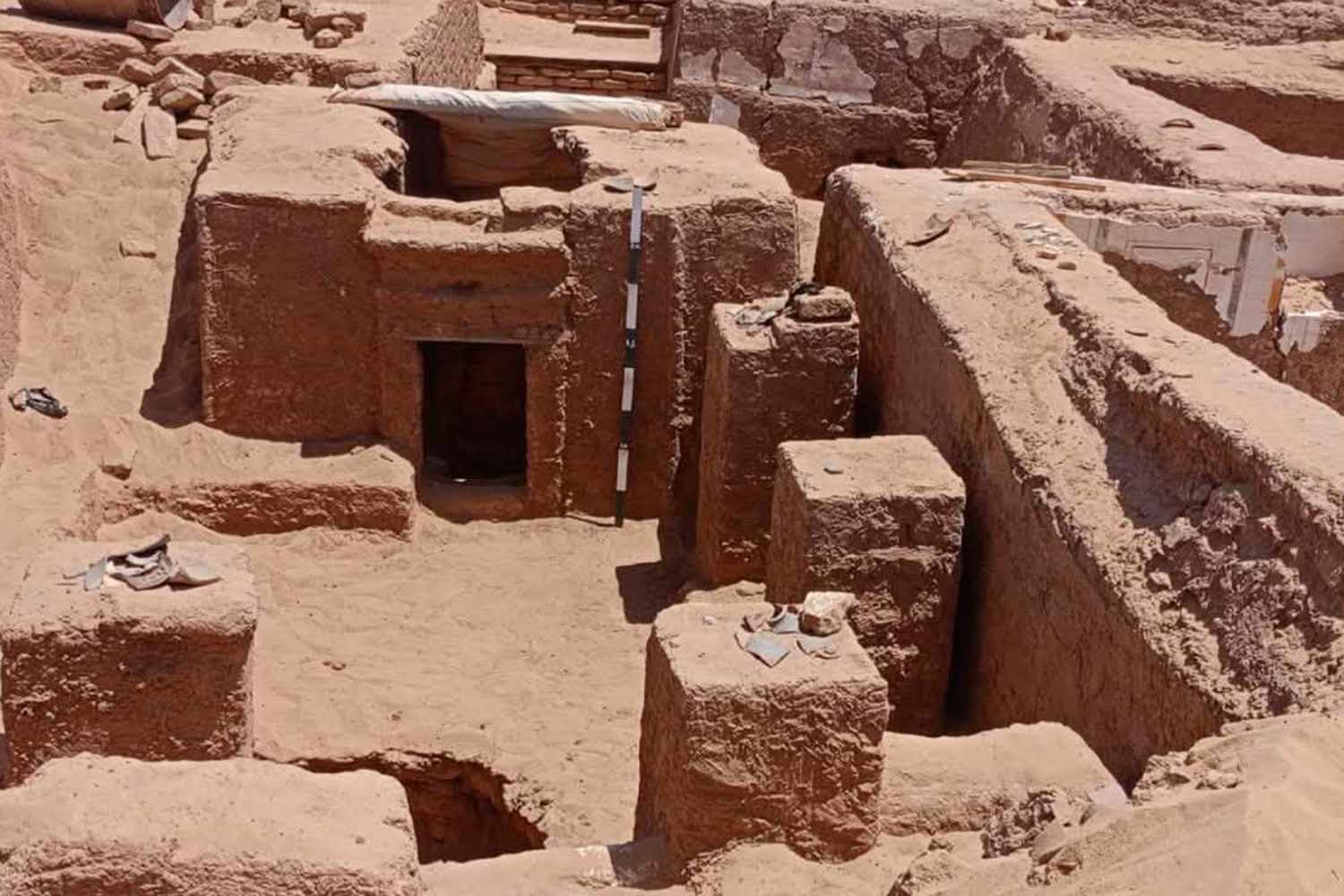
Researchers recently uncovered a remarkable archaeological find: a 1,700-year-old tomb in Egypt that contains an emotive poem in ancient Greek. This significant discovery showcases the intricacies of historical Egyptian culture, shedding light on the people who lived during that era.
Location and Historical Context
Egyptian archaeologists discovered the limestone tomb in Dakhla Oasis, close to the ancient city of Mothis, now referred to as Mut in the New Valley Governorate. The tomb, believed to have been constructed in the fourth century, was designed for a husband and wife. Notably, it features a pyramid-shaped structure made from limestone, which is characteristic of tomb designs from that period. The tomb’s inscriptions and artifacts provide valuable insights into the customs and beliefs of the time.
Emotional Legacy Encapsulated in Poetry
A son named Sarapion immortalized his father’s virtues through a poignant 19-line poem inscribed on a stone plaque within the tomb. The poem highlights Sarapion’s admiration for his father’s character, describing him as a wise advisor and a source of kindness. This heartfelt tribute is a remarkable blend of personal sentiment and cultural tradition, emphasizing the significance of family bonds in ancient Egyptian society. The inclusion of such poetry in tomb inscriptions adds a unique layer to our understanding of emotional expression among the ancient Egyptians.
Artifacts and Protective Elements
In addition to the poem, the tomb contained various artifacts, including hieroglyphics meant to protect the deceased. These hieroglyphics were inscribed with spells that expressed the ancient Egyptians’ beliefs in the afterlife and the importance of ensuring a safe journey for the dead. Besides the poetic tribute, researchers found a table for rituals, a basin for washing, pottery, and an ancient coin depicting Roman Emperor Constantine the Great. The presence of these artifacts indicates the blending of cultural influences and rituals present at the time, further enriching the historical narrative of the region.
Potential for Further Discoveries
Experts suggest the tomb may have been repurposed at some stage, indicating a complex history that warrants further exploration. The Egyptian Ministry of Tourism and Antiquities has hinted at the possibility of additional findings as study and excavation continue. The discovery not only contributes to the wealth of knowledge about ancient Egyptian customs but also piques interest for future archaeological endeavors in the region.
In summary, the recent discovery of the limestone tomb in Dakhla Oasis opens a window into the past, revealing emotions and traditions that have long since faded from our collective memories. With its striking inscriptions and artifacts, this archaeological gem underscores the significance of familial love, respect, and the enduring human spirit throughout history. The ongoing research promises to unveil even more fascinating details about this era and its people, ensuring that their legacy is remembered for generations to come.