
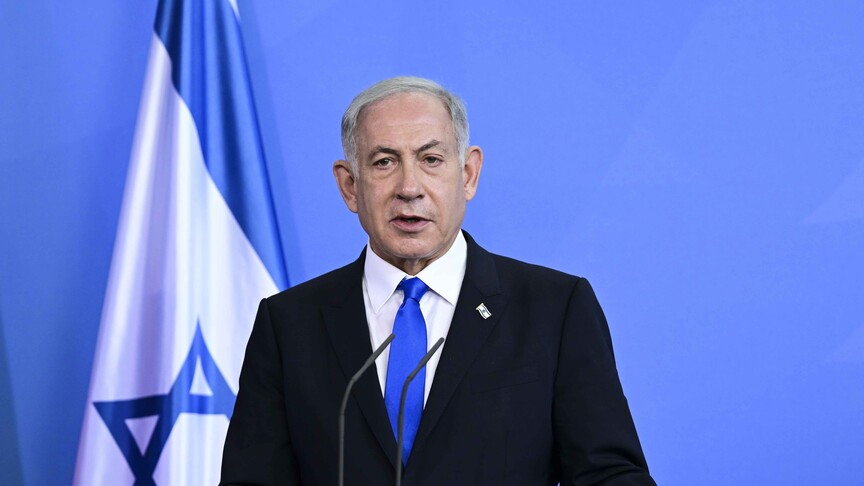
Officials from ten nations convened in Abu Dhabi for a high-level meeting involving Israeli Prime Minister Benjamin Netanyahu and UAE President Sheikh Mohamed bin Zayed Al Nahyan. This gathering aimed to bolster security and intelligence collaboration between Israel and the UAE while addressing various regional challenges.
Details of the Meeting
According to reports from Israel’s Channel 14, the meeting unfolded in two distinct phases. Initially, Netanyahu engaged in one-on-one discussions with Sheikh Mohamed, laying the groundwork for future cooperation. Subsequently, an expanded session took place, bringing together representatives from the United States, Saudi Arabia, Morocco, Egypt, Kuwait, Bahrain, Libya, Oman, Israel, and the UAE. While there was no immediate response from the nations involved, the meeting’s implications were significant.
Focus Areas for Cooperation
Sources reveal that the discussions concentrated on enhancing intelligence sharing and security measures among the nations represented. Particular attention was given to addressing mutual threats, particularly concerning Iran and the Houthi movement in Yemen. Participants examined potential strategies for providing intelligence and security assistance to Saudi Arabia and discussed the formation of a new regional alliance to address shared challenges effectively.
Additionally, the agenda included deliberations on establishing an oil transport route that would circumvent the strategically vital Strait of Hormuz. This proposal indicates a proactive approach to securing vital energy supplies against geopolitical uncertainties.
Positive Bilateral Relations
In tandem with the broader regional discussions, Sheikh Mohamed and Netanyahu also emphasized the importance of strengthening bilateral relations between Israel and the UAE. Official statements indicated that their talks aimed to explore avenues for deepening these ties, building on the cooperation initiated following the normalization of relations in 2020.
Netanyahu’s visit to the UAE, which occurred the day prior to the expanded meeting, was attended by key security and intelligence officials, including the chief of the Mossad and the National Security Council head. Their presence underscored the seriousness with which Israel is approaching these discussions, particularly in the realm of security and defense.
This gathering not only highlights Israel’s strategic partnerships within the Gulf region but also reflects a growing consensus on the need for collective action in addressing regional threats. As circumstances continue to evolve, the relationships forged during this meeting may play a crucial role in shaping the future of Middle Eastern diplomacy and security.