
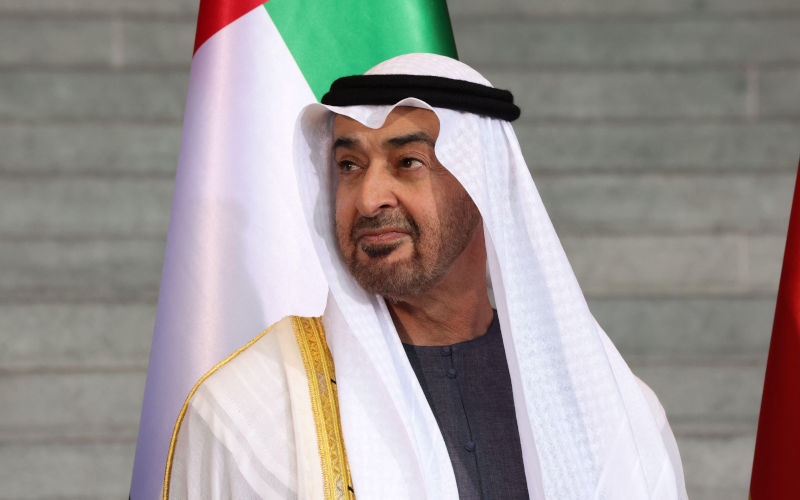
Israeli Prime Minister Benjamin Netanyahu has faced intense scrutiny over unheeded warnings related to an impending Hamas attack. A recent claim has surfaced that suggests Netanyahu privately sought to alter the narrative surrounding these warnings, highlighting a controversial meeting with UAE President Mohamed bin Zayed.
Netanyahu’s Secret Request to the UAE Leader
In a secretive encounter, Prime Minister Netanyahu reportedly asked President bin Zayed to refute claims made by the Israeli newspaper Haaretz. These claims indicated that the Emirati leader had forewarned Netanyahu of a possible Hamas assault shortly before October 7, 2023. According to informed sources, this behind-the-scenes dialogue occurred at an airport meeting where Netanyahu expressed concerns about the implications of such reports on his leadership and sought what he termed as “moral support” from the UAE.
The UAE has not issued a formal comment on the topic but maintains that its channels of communication with Israel remain intact, ensuring the sharing of relevant intelligence as needed. Meanwhile, Netanyahu’s office has firmly rejected the claims from Haaretz, labeling them as false and threatening legal action against the outlet and its journalists.
Details of the Initial Warnings
Investigative reports, particularly from Haaretz, detail how President bin Zayed had allegedly communicated a significant warning to Netanyahu approximately ten days prior to the Hamas attack. This warning reportedly occurred during a 45-minute phone call in which the Emirati leader expressed his grave concerns about a planned Hamas operation that could destabilize the region and threaten the fragile Abraham Accords. Netanyahu is said to have reacted with a sense of calm, asserting that he believed the situation was under control and that Hamas would act in the West Bank rather than Gaza.
Despite these assertions, Israeli security forces appear to have been left in the dark about the warnings, as Netanyahu did not share his conversation with the heads of Israel’s security establishment. This lack of communication has raised questions about his leadership and decision-making process during a pivotal moment.
Subsequent Warnings from Egypt
Compounding these revelations, Egypt’s intelligence chief also reportedly contacted Netanyahu just days before the attack, reiterating warnings of an imminent assault from Gaza. These warnings were not isolated incidents; Egyptian officials had been sounding alarms since June 2023 about the escalating tensions in Gaza and had urged Israel to engage in dialogue with Hamas.
Despite ongoing intelligence briefs from Egypt about an unstable situation, Netanyahu and Israeli officials maintained that they had the situation under control. Following the attack, Netanyahu continued to deny any direct meetings or conversations with Egyptian intelligence, further refuting claims that critical warnings had been overlooked.
Conclusions and Implications
As details continue to unfold, the implications of Netanyahu’s actions and the apparent failure to heed warnings are becoming more pronounced. The insistence on denying communication with UAE and Egyptian leaders raises questions about Israel’s intelligence operations and strategic preparedness. The broader impact on Israel’s diplomatic relations, particularly concerning the fragile agreements with Gulf states, remains uncertain.
In light of these controversies, Netanyahu’s leadership style and the trust placed in him by both domestic and international observers may face increasing challenges. As Israel navigates through these turbulent times, it remains to be seen how these revelations will affect the geopolitical landscape in the region.