
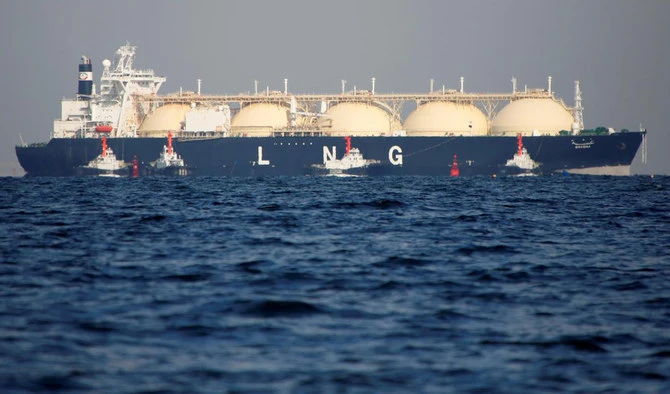
Pakistan’s LNG Supply Challenge Ahead of Winter
As winter approaches, Pakistan is actively pursuing additional liquefied natural gas (LNG) supplies. This urgency has been prompted by QatarEnergy’s announcement to extend its delivery suspension until November 5, coupled with a surge in household gas demand. A senior government official recently shared insights into this pressing situation, indicating that Islamabad is now exploring alternative sources for LNG procurement.
LNG’s Role in Pakistan’s Energy Sector
Pakistan relies heavily on imported LNG to bridge the gap between domestic gas production and growing energy needs. Currently, LNG imports account for approximately 20% of gas consumption from July 2025 to March 2026, as reported in the country’s latest economic survey. These imported supplies serve a critical role in meeting the energy demands of households, industrial facilities, power generation, and fertilizer production. The need for additional supplies is particularly pressing given the mounting natural gas demand with winter on the horizon.
Impacts of Regional Conflicts on LNG Supply
The ongoing US-Iran conflict has severely disrupted shipping routes through the Strait of Hormuz, a vital passage for global LNG trade, which accounted for nearly 20% of total LNG shipments in 2025. QatarEnergy’s suspension of LNG deliveries, declared as “force majeure” due to external threats affecting its facilities, has further complicated Pakistan’s supply issues. This contractual clause allows suppliers to suspend obligations during extraordinary events, thereby limiting delivery capabilities.
In response, a Pakistani official, who spoke on the condition of anonymity due to confidentiality concerns, noted that the government is simultaneously negotiating for shipments from Qatar and other suppliers. While hopes remain for a couple of Qatari shipments in October, there has been no definite confirmation. Typically, Pakistan receives about nine cargoes monthly from Qatar under long-term agreements; however, only nine shipments have come through since the delivery disruption began.
The Urgency for Alternative Arrangements
The impending colder months will significantly elevate gas usage, creating further urgency for Pakistan to secure additional LNG supplies. Estimates suggest that the country will need three to four cargoes in November, escalating to seven or eight in December, and potentially reaching 10 to 11 cargoes in January. The government is expected to make decisions regarding spot purchases based on affordability and the nation’s requirements.
Industry insights suggest no immediate gas crisis but express concern over potential extensions of Qatar’s delivery pause. With normal demand fluctuating, any resulting shortages could push consumers towards liquefied petroleum gas cylinders, impacting pricing and availability. As Pakistan navigates through these complexities, the impact on households and larger economic operations remains a critical factor.
Strategies for Securing Supplies and Protecting Industries
The Pakistan Business Forum has urged the government to devise a comprehensive contingency plan prioritizing household supplies, industrial operations, and electricity generation during this pivotal winter season. The chief organizer emphasized that maintaining industrial output and fertilizer production is essential to prevent long-term economic impacts, such as increased electricity prices and reduced agricultural productivity.
To mitigate these risks, it’s crucial for Pakistan to diversify its LNG suppliers and secure commercially viable cargoes. Additionally, establishing flexible payment arrangements will be necessary as European nations compete for limited winter gas stocks, further influencing import costs. As LNG serves not only as an energy source but also as a raw material for fertilizer production, interruptions in supply can jeopardize food security for the nation.
In summary, as Pakistan navigates the complexities of LNG procurement amid geopolitical tensions and rising demand, the government’s proactive steps will be vital to securing energy supplies and ensuring stability for its economy during the challenging winter months.