
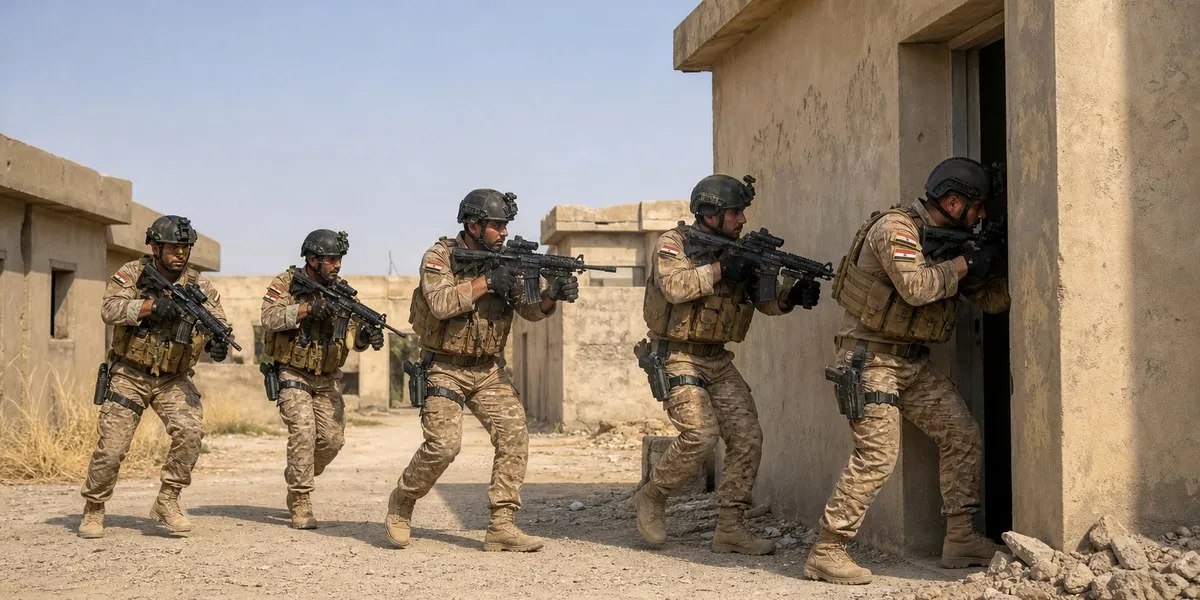
On September 30, 2023, the United States officially concluded its operations against the Islamic State group (ISIS) in Iraq, marking the end of a 12-year mission known as Operation Inherent Resolve. Initiated in August 2014, this campaign began with U.S. airstrikes in response to ISIS’s territorial conquests across Syria and northern Iraq. A coalition of multiple nations participated in the operation, contributing military assets to support Iraqi and Kurdish forces, as well as the Syrian opposition. While ISIS’s self-declared “caliphate” has been dismantled, the group has evolved into a lower-intensity insurgency.
Casualties and Rising Concerns
The toll of the operation has been significant. The Pentagon reported that 123 American service members lost their lives, with an additional 499 wounded throughout the conflict. Estimates suggest that over 80,000 ISIS fighters were killed due to coalition actions. However, with the U.S. withdrawing its troops, there are alarming signs of a potential resurgence. Kurdish commander Sirwan Barzani reported an uptick in activity from ISIS sleeper cells following the announcement of the U.S. withdrawal. The lack of U.S. intelligence, logistical backing, and air support could provide these militants with a crucial opportunity to reorganize and reestablish their presence in the region.
Iran’s Expanding Influence
The withdrawal of U.S. forces eliminates a primary target for Iranian-backed militia groups in Iraq. This shift could lessen the frequency of reciprocal attacks between these militias and U.S. forces but simultaneously diminishes a key deterrent to Iranian involvement in Iraq. Tehran has deeply entrenched its influence over Iraqi political factions, security institutions, and paramilitary groups over the years. Analysts like Michael Knights emphasize that although U.S. focus on Iraq is waning, Iran remains deeply invested in the country’s political landscape. Jason Campbell, a senior fellow at the Middle East Institute, notes that while the U.S. withdrawal may prompt pro-Iranian factions to reassess their arms holdings, it also exposes vulnerabilities—especially for Kurds in areas like Erbil that previously benefitted from U.S. aerial defenses.
Implications for Regional Stability
As the U.S. steps back, the vacuum created by the end of Operation Inherent Resolve could alter the power dynamics in the region. Iraqi Prime Minister Ali Al-Zaidi had initially set a deadline for the disarmament of Iran-backed groups by September 30, which has now been extended to June 2027. This adjustment hints at the complexities involved in addressing militias that operate with relative autonomy under Iran’s influence. The evolving situation calls for close attention from international observers and policymakers, as any miscalculations could destabilize not only Iraq but also neighboring countries.
In summary, while the official end of operations against ISIS may appear to signal a victory over the group, numerous challenges remain. The potential resurgence of ISIS, coupled with Iran’s increased influence, creates a complicated landscape for the future of regional security. The international community must stay vigilant, as the repercussions of this withdrawal could have far-reaching consequences for Iraq and its neighbors in the Middle East.