
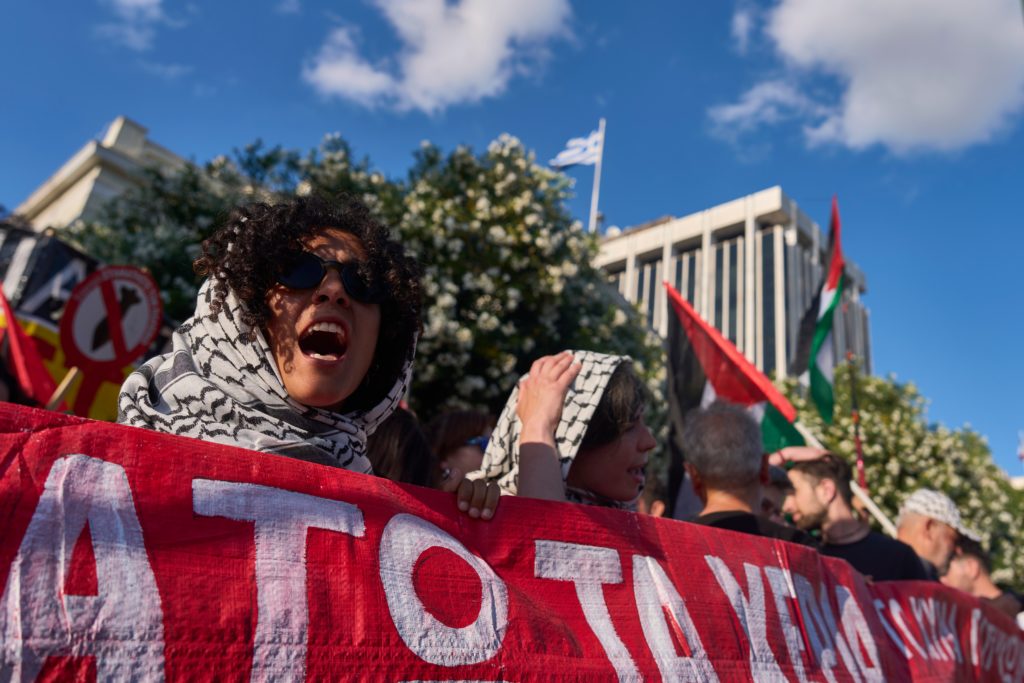
Israeli forces have recently halted all attempts by an activist flotilla aimed at breaching the naval blockade of Gaza, drawing attention to the dire situation facing nearly two million Palestinians. The blockade has left Gaza struggling with serious shortages of essentials such as shelter, food, and medicine. As tensions escalated, armed Israeli troops intercepted the flotilla around 167 miles off of Gaza’s coast, forcibly boarding the vessels and reportedly damaging the activists’ equipment, as indicated by a live feed from the Global Sumud Flotilla website.
International Response to Interdiction
Following the interception of the activist boats, Italy’s Foreign Minister, Antonio Tajani, called for an urgent evaluation of Israel’s use of force, particularly after reports alleging that Israeli soldiers discharged rubber bullets. Organizers of the flotilla claimed that multiple boats were targeted during the Israeli intercepts, suggesting that the activists faced significant risks. The flotilla had embarked from Turkey with the goal of highlighting humanitarian issues and delivering aid, despite being described by Israeli authorities as merely a “provocation.”
Approximately 428 activists from over 40 countries were reported unaccounted for after being taken aboard Israeli vessels. The Israeli Foreign Ministry claims that all activists have been transferred to their ships and will be given access to consular representatives, but there are rising concerns regarding the detainees’ rights and safety. In particular, the flotilla organization urged governments around the world to advocate for the immediate release of their members, emphasizing the absence of legal and consular support.
Concerns Regarding Detainees’ Treatment
Reports from the activist group suggest that detainees are being “forcibly transported” to an undisclosed location, with serious concerns voiced about their treatment. Previous accounts of detained activists detail allegations of torture and abuse, which Israeli authorities have vehemently denied. Global reactions include calls from various nations, including Italy and Spain, demanding the safety and release of these activists. Meanwhile, the U.S. Treasury has imposed sanctions on certain European participants in the flotilla, labeling their actions as “pro-terror.”
The contentious blockade, maintained by Israel since Hamas gained control of Gaza in 2007, has intensified following recent violent escalations. Critics argue that the blockade constitutes collective punishment against the civilian population, while Israeli officials assert its necessity for national security. Egypt’s border policies further complicate the situation, limiting movement to and from Gaza significantly.
Activism and Future Actions
Despite the hurdles faced, activists remain committed to their cause, expressing their determination to continue pushing for change in Gaza. Italian activist Daniele Gallina remarked on the importance of the mission, not just in delivering aid, but in spotlighting the broader issues of governmental complicity in oppressive policies. He noted that the actions taken by the Israeli military evidently show a disregard for international law.
The situation in Gaza has turned increasingly dire, with reports estimating over 72,700 fatalities due to Israeli retaliatory measures following a series of violent incidents. As tensions between Israeli and Palestinian forces persist, and the humanitarian situation worsens, the activist community is poised to take continued action. This will include not only protests aimed at raising awareness but also working in concert with global allies to ensure that their voices are heard and their demands for human rights and aid are met.