
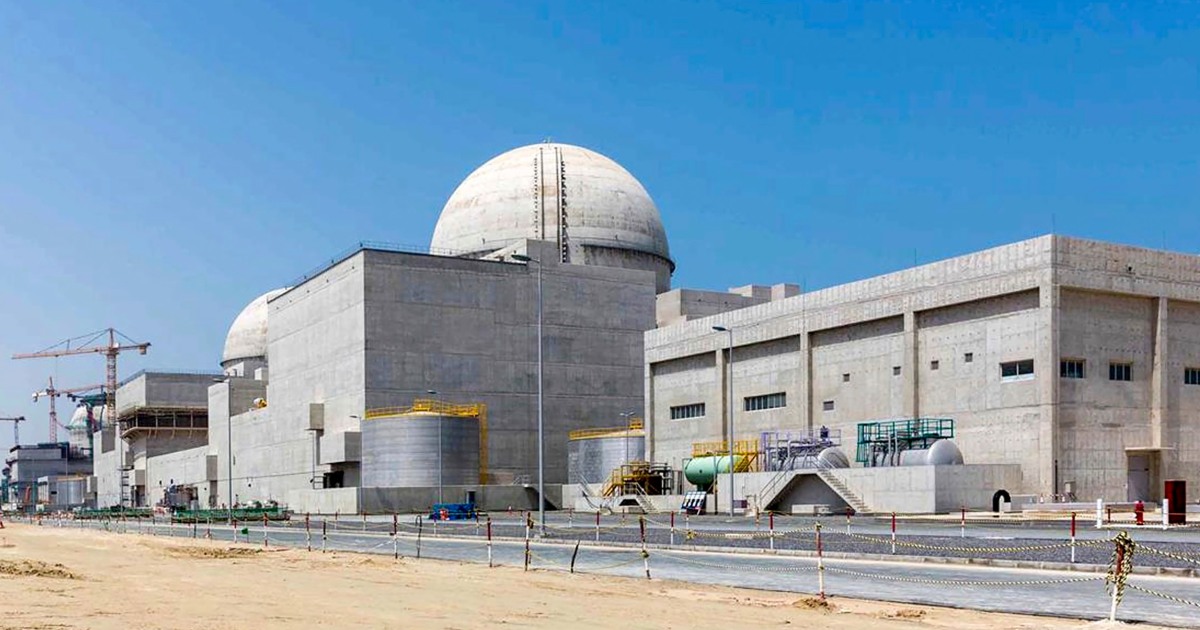
Drones Target UAE’s Barakah Nuclear Plant: An Overview of Recent Tensions
The recent drone attacks on the Barakah nuclear power plant in the United Arab Emirates (UAE) have raised significant concerns about regional security and the implications of Iranian-backed militias’ actions. The attacks, confirmed by Iraq’s Defense Ministry, suggest that Iraqi Shiite militias supported by Iran are likely at the forefront of these disturbances. As tensions escalate, understanding the context and potential ramifications is crucial.
Background of the Attack
The drones that targeted the Barakah nuclear power facility reportedly originated from Iraq, reflecting an alarming trend in the geopolitical landscape. While no group has taken responsibility for the assaults, Iran and its militia proxies have been known to launch various drone strikes against Gulf states, particularly since the onset of hostilities involving Israel and the United States against Iran. These actions appear to be part of a broader strategy that allows Iran to maintain plausible deniability while destabilizing its regional adversaries.
Despite the seriousness of the attacks, Emirati officials reported no injuries or radioactive leaks at the Barakah plant, which is a vital energy resource for the nation. The attack impacted a generator located at the facility’s perimeter, but officials noted that the nuclear plant’s operations were not significantly disrupted. Nevertheless, the potential for future strikes remains a significant risk, raising alarm from global nuclear safety organizations.
International Response and Concerns
During an emergency United Nations Security Council meeting, Rafael Grossi, head of the International Atomic Energy Agency, expressed grave concerns over the danger posed to nuclear facilities amid ongoing conflicts involving Iran. The ramifications of a successful attack on the Barakah plant could be dire, with Grossi noting that any direct hit could lead to severe environmental contamination due to high radioactivity.
The UAE has accused Iran of continuing its aggressive military tactics, including drone and missile strikes, even amid attempts to establish a ceasefire with the United States. The complexities of negotiations surrounding these hostilities fluctuate frequently, with U.S. President Donald Trump indicating a willingness to grant Iran a brief period for diplomatic progress, while simultaneously signaling the potential for renewed military action.
Broader Regional Implications
The implications of these tensions extend beyond the immediate threat to the Barakah nuclear power plant. Marine traffic through the critically important Strait of Hormuz has reportedly seen a rise, suggesting a potential escalation of military and economic activities in the area. Data from a maritime intelligence firm indicates that traffic through the strait more than doubled recently, although it remains substantially lower than pre-conflict levels.
Iraqi officials have condemned the drone attacks on the UAE without addressing the specific allegations against their territory. Meanwhile, Saudi Arabia has intercepted additional drones entering its airspace from Iraq, further heightening concerns about regional stability and the looming threat posed by Iranian-backed militias.
The Way Forward: Navigating Tensions in the Gulf
As tensions continue to surge, the need for effective regional and international cooperation becomes increasingly apparent. Statements from Iraqi government representatives highlight the critical necessity for alliances that deter escalation in security threats, especially towards the UAE and other neighboring nations. The geopolitical landscape is fraught with risks, and continued drone activity could prompt a significant shift in military strategies among the nations affected.
In summary, the drone attacks on the Barakah nuclear facility underscore a complex interplay of regional tensions, military strategies, and international diplomacy. As the situation evolves, it remains crucial for involved parties to pursue avenues that will foster dialogue, prevent escalation, and ensure the protection of critical infrastructure across the Gulf region.