
The recent withdrawal of American troops from Iraq marks a significant turning point in the country’s history and U.S. foreign policy. This decision concludes a lengthy military engagement that began over two decades ago and reflects a changing geopolitical landscape in the region. The U.S. military has stated that this withdrawal is not merely a retreat but a shift toward a new era of Iraqi sovereignty and security.
A Historic Departure from Iraq
On September 30, the last contingent of U.S. forces exited an airbase in northern Iraq. This withdrawal stems from an agreement made two years earlier between Washington and Baghdad, aimed at ending the mission to combat ISIS. President Donald Trump applauded this completion of a “very expensive excursion into Hell,” emphasizing the need to conclude what he termed a prolonged and misguided involvement. He added that the exit signifies improved security in Iraq and a decisive victory over ISIS.
However, the withdrawal raises several concerns among different factions within Iraq. While Iran-aligned militias celebrated the departure of U.S. forces, other groups, particularly in the Kurdish regions, have expressed anxiety over the potential resurgence of ISIS and increased aggression from Iranian-supported factions. These apprehensions reflect a more complex security situation that the Iraqi government will need to navigate.
Shifting Focus: From Middle East to Asia
In recent years, the United States has been working to pivot its strategic focus from the Middle East to Asia. However, this shift has been erratic, marked by a fluctuating presence in the region. Pentagon spokesperson Sean Parnell commented that this milestone denotes a transition from a wartime coalition mission to an Iraqi-led security approach, supported by a normal bilateral relationship. As the U.S. diminishes its military footprint, it will continue to provide targeted training and intelligence to Iraqi security forces, a vital element for ongoing stability.
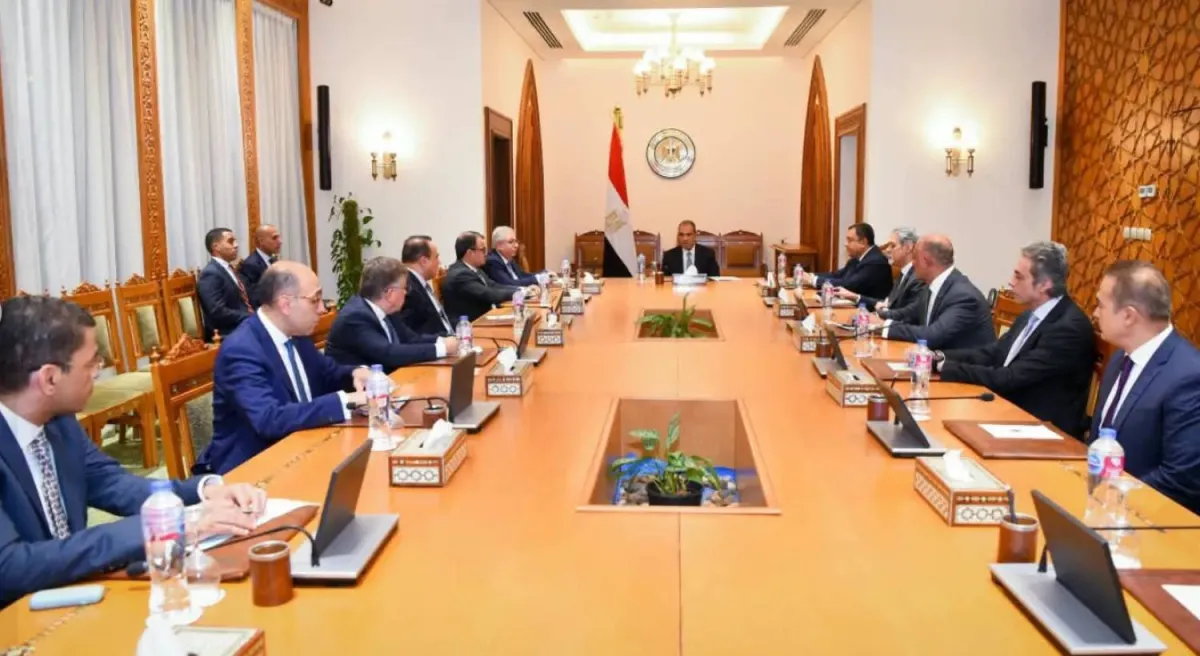
At a ceremony presided over by Iraqi Prime Minister Ali al-Zaidi, the withdrawal was framed as the beginning of a new chapter for Iraq, marked by greater sovereignty and institutional strength. Al-Zaidi emphasized that despite the U.S. exit, Iraqi forces are prepared to continue the fight against ISIS and to disarm non-state armed groups. However, the timeline for militia disarmament has already shifted, revealing the complexities that lay ahead.
Future Implications for Iraq
As Iraqi forces assume greater responsibilities, the question of militia control looms large. Many of these Iran-backed groups have resisted disarmament efforts, even as al-Zaidi pushed back deadlines for compliance. The effects of the U.S. military’s departure may not be immediately apparent, as U.S. presence had already diminished significantly in recent years. Concerns remain particularly acute in the Kurdistan region, where attacks have proliferated amid rising tensions related to U.S.-Iran conflicts.
The Kurdish Peshmerga Ministry noted that the region has faced over a thousand drone and missile strikes in recent conflicts, heightening the urgency of an effective security strategy. This situation underscores the precarious balance Iraq must maintain between internal and external pressures as it navigates newfound autonomy.
In summary, the withdrawal of U.S. troops from Iraq symbolizes a pivotal moment, suggesting a shift not only in Iraq’s governance but also in the broader geopolitical strategies of the United States. While the withdrawal heralds an era of Iraqi sovereignty, the challenges that lie ahead—ranging from militia control to potential terrorist threats—will require vigilant attention and strategic planning from both Iraqi leaders and international partners.