
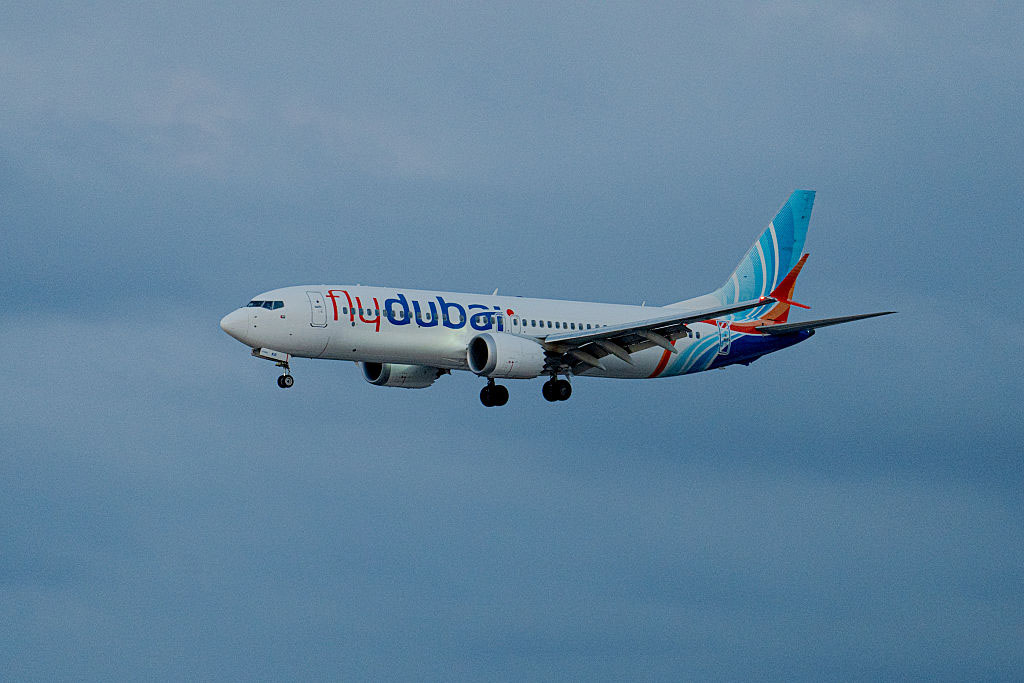
A FlyDubai flight en route to Tel Aviv made an emergency landing in Saudi Arabia this Wednesday after an alarming altercation in the cockpit left both pilots injured, causing the plane to plunge and ultimately prompting Israel to deploy fighter jets. The incident signals dire implications for air travel safety, especially on routes involving the Middle East.
Emergency Landing and Injuries Aboard Flight FZ1073
Flight FZ1073, which took off from Dubai International Airport, entered Jordanian airspace approximately 90 minutes into its journey when the emergency occurred. As a result of the cockpit confrontation, the aircraft was diverted to Prince Sultan bin Abdulaziz Airport in Tabuk, Saudi Arabia. Both pilots sustained injuries during the incident, requiring immediate medical attention post-landing. While reports varied, some passengers claimed an Israeli dentist or other medical personnel aboard provided critical care.
Israeli Prime Minister Benjamin Netanyahu confirmed that all passengers were safe, stating, “the pilot who attacked has been arrested and is being interrogated by Saudi authorities.” This incident raised grave concerns among officials, leading to intense scrutiny about the potential motivations behind the violent confrontation in the cockpit. The Israeli defense minister labeled the event a terrorist attack, asserting that it was thwarted by the bravery of several passengers.
Accounts of the Cabin Fracas
Initial reports suggest that the conflict involved an Omani co-pilot, with conflicting narratives surrounding who attacked whom. The situation escalated to the point where Israeli passengers acted heroically, reportedly overpowering the assailant and regaining control of the aircraft alongside additional pilots who were on board. One passenger recounted the devastating emotional toll, expressing her fear of not surviving the ordeal.
Photos circulating on social media depicted the chaotic scene, including visuals of passengers restraining the assailant and the damage incurred by the aircraft. There were varying estimates on the number of passengers, with figures ranging from 100 to 174, including children. Given the delicate nature of diplomatic relations between Israel and Saudi Arabia, landing on Saudi soil with a plane full of Israeli passengers raised eyebrows.
Investigation and Aftermath
This incident triggered urgent discussions among high-ranking Israeli officials concerning the safety of the passengers and the next steps for their return. While El Al was ready to send a rescue flight, Saudi authorities were initially hesitant to permit this. In the meantime, FlyDubai sent a replacement aircraft to Tabuk, with the Israeli intelligence agency Mossad vetting the new crew for safety assurances.
By late afternoon, reports surfaced that several passengers were reluctant to board the replacement FlyDubai flight, preferring the assurance of an Israeli airline. The incident is still under investigation, as conflicting accounts about the pilots’ identities, motivations, and the exact sequence of events continue to emerge. With crucial international relations at stake and the need for comprehensive assessments of airline security, this incident serves as a stark reminder of the unpredictable nature of air travel.
While both Israeli and Saudi authorities work to piece together the details, the global aviation community watches closely, reaffirming the importance of stringent security measures to safeguard passengers.