
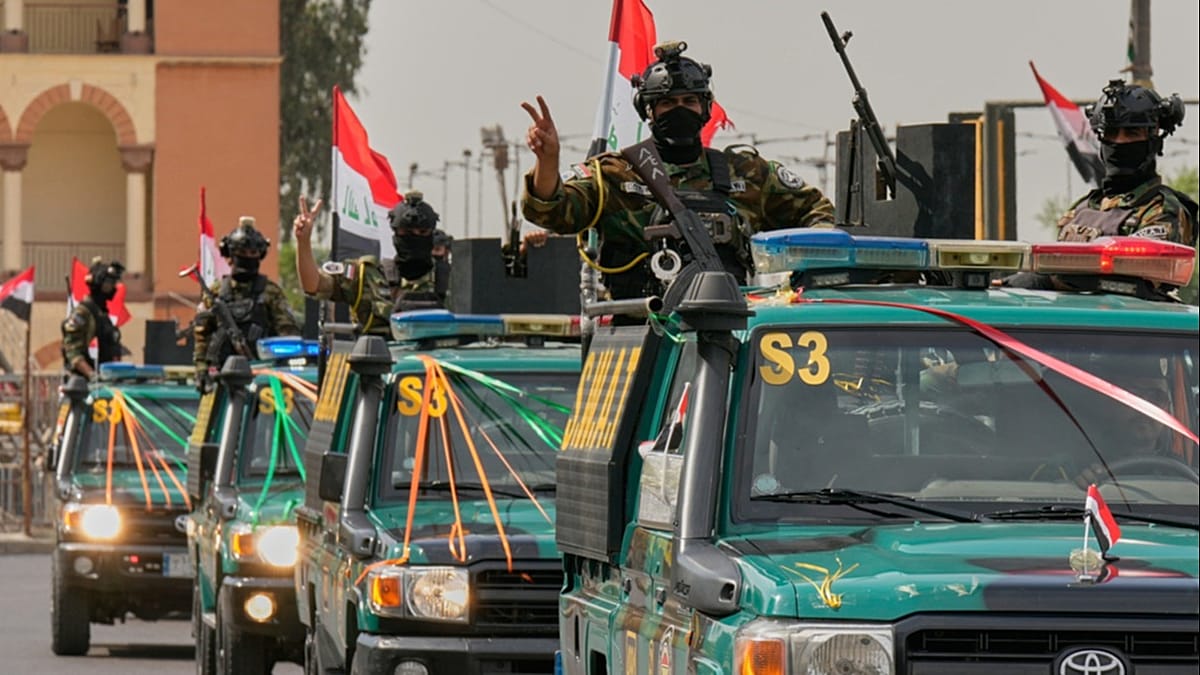
A significant chapter in Iraq’s conflict has concluded as a US-led coalition that intervened over ten years ago officially completed its mission on Wednesday. While this decision is welcomed by Iraqi officials and celebrated by former President Donald Trump, it raises concerns about the potential empowerment of pro-Iranian militia groups within the country.
The Coalition’s Mission in Iraq and Syria
The coalition was initially established in 2014 to counter the rise of the Islamic State group, commonly referred to as ISIS or ISIL, which had captured vast territories in both Iraq and Syria. Known for its brutal tactics, the group enslaved thousands and committed numerous atrocities. While ISIS was pushed back and ultimately defeated in Iraq in 2017 and Syria in 2019, coalition forces remained on the ground to deal with the remnants of this terrorist organization. As part of ongoing strategic discussions, the United States and Iraq agreed in 2024 to transition away from active military involvement, leading to a gradual troop withdrawal concentrated in the Kurdistan region.
Implications of the Withdrawal
In the aftermath of the troop pullout, President Trump described the event as a “victory” for both the United States and Iraq, emphasizing a return home for American forces. However, the coalition’s success was not solely due to US efforts; Kurdish Peshmerga fighters and various Iraqi factions, including some backed by Iran, played vital roles in the battle against ISIS. Iraqi officials believe that the withdrawal may strip Iranian-supported factions of their narratives for maintaining arms. Nonetheless, there is anxiety that the exit of US forces could embolden these groups, further entrenching Iraq in the ongoing conflicts of the Middle East.
Immediately following the announcement of the withdrawal, pro-Iranian factions celebrated in public gatherings, showcasing their approval with speeches and displays of military symbolism. A spokesperson for Kataeb Hezbollah made it clear that these groups have entered discussions about regulating their weaponry but expressed frustration at the government’s delayed response regarding disarmament. Consequently, they remain committed to retaining their arms, asserting their right to respond if they perceive threats from foreign forces.
The Future of Iraq’s Security Landscape
Iraqi Prime Minister Ali al-Zaidi has stated that a new era is dawning, characterized by Iraq’s sovereignty and the strength of its institutions. Despite his administration’s efforts, including setting a deadline for armed factions to disarm, no definitive timeline has been established due to ongoing discussions. The reluctance of many Iranian-backed factions to relinquish their weapons complicates matters, as political leaders are now exploring potential compromises that include the withdrawal of remaining foreign troops and a cessation of American influence in the region.
The rhetoric from pro-Iranian groups indicates a dual approach; while they hail the troop withdrawal as a step toward sovereignty, they also issue veiled threats against the Zaidi government, warning that poor governance could lead to drastic consequences. This dynamic has contributed to ongoing tensions, as the groups have historically targeted US forces, resulting in retaliatory strikes from the American military.
As these developments unfold, Iraq faces a complex security landscape shaped by both its internal dynamics and external influences. The departure of US troops marks a notable moment, yet the rise of armed factions may complicate efforts to stabilize the nation. The long-term implications of this withdrawal will reverberate, not just within Iraq, but throughout the wider Middle Eastern context.