
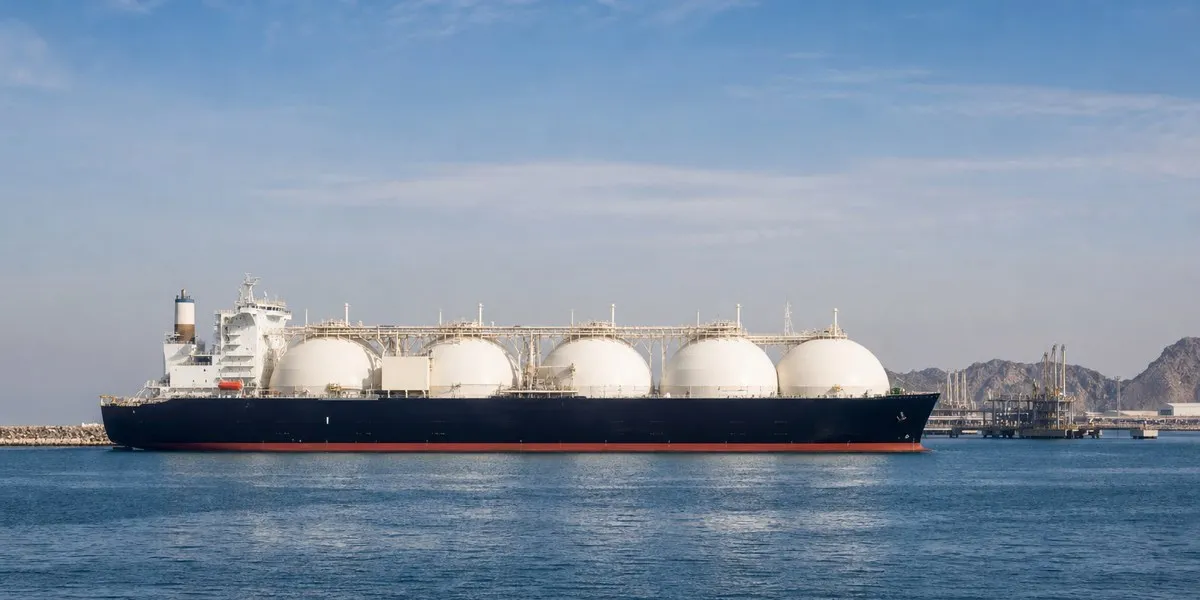
In recent developments concerning global liquefied natural gas (LNG) supply, Yukio Kani, the chairman and global CEO of Jera, a leading Japanese energy company, has indicated that Qatari LNG will not re-enter the market swiftly. This slowdown is attributed to ongoing disruptions in the Strait of Hormuz, with Kani citing growing anxieties among market players as winter approaches.
Spot Prices Surge Amid Supply Challenges
Yukio Kani highlighted that spot LNG prices have doubled compared to the same timeframe last year. The withdrawal of Qatari LNG, historically the second-largest supplier globally before the recent conflicts, has led to spot prices climbing to their highest levels since late 2022. This absence has sparked fierce competition for available LNG from other regions, particularly between Europe and Asia, that are vying for limited cargoes from the United States and other suppliers. The war in the Middle East has significantly impacted the overall supply chain, leading to increased costs for consumers.
Prior to the ongoing conflicts, the Middle East contributed roughly 20% of the global LNG supply. Now, as demand swells and options dwindle, Europe and Asia’s rivalry for alternative sources is only expected to escalate. With winter on the horizon, this situation places further strain on energy prices, prompting consumers and industries to brace for a challenging season.
Transit Routes and Ongoing Restrictions
According to data from Kpler, LNG exports through the Strait of Hormuz from both Qatar and the United Arab Emirates reached their highest levels since the onset of the war with Iran in September. However, these volumes are still down approximately 80% compared to pre-conflict levels in February. The fluctuations in transit capacity highlight the complexities of delivering LNG amid geopolitical tensions.
Additionally, Qatar has announced an extension of force majeure for its long-term supply contracts, maintaining restrictions on deliveries to customers in Asia until November and in Europe until December. This ongoing limitation is likely to exacerbate the already tight market conditions. Kani pointed out that historically low gas inventories within Europe and the EU’s decision to halt Russian LNG imports from January could further complicate the energy landscape, likely propelling spot prices to even greater heights.
As the energy market faces these challenges, industry stakeholders must closely monitor disruptions and adapt strategies to mitigate the impact of these supply constraints. The interplay of geopolitical events, market dynamics, and seasonal demand will dictate future pricing trends in the LNG market, creating a complex scenario that demands attention from policymakers and market participants alike.
In summation, with the winter season fast approaching, the LNG market is poised for a tumultuous period characterized by rising prices and limited supply. Key players will need to navigate these challenges to sustain energy security and affordability for consumers worldwide.