
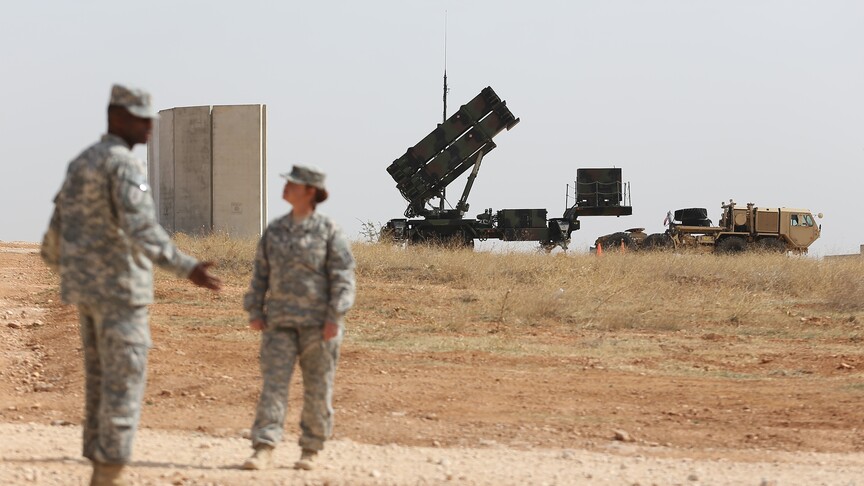
The recent escalation in military activity by the United States in the Middle East has raised concerns about regional stability. The U.S. has deployed additional military assets to protect vital energy facilities in Saudi Arabia and Qatar, amid fears of heightened tensions with Iran. This move underscores Washington’s commitment to safeguarding the interests of its allies in the region.
Military Reinforcements in the Gulf
According to reports from Axios, the U.S. military has dispatched two Patriot missile batteries to Saudi Arabia and Qatar. These deployments aim to fortify critical energy infrastructure as potential military operations against Iran loom on the horizon. One battery arrived in Saudi Arabia last month to defend a crucial oil installation, while another was sent to Qatar to protect a natural gas facility. This strategic maneuver intends to reassure both nations that the U.S. is prepared to step in should the situation escalate.
Political Pressures and Strategic Decisions
As potential military actions against Iran are considered, U.S. President Donald Trump has indicated that he is weighing options for renewing airstrikes in the near future. “Now I have to make a decision: either Iran signs the deal, or it won’t exist any longer,” Trump stated recently. This tough rhetoric reflects a strategic stance that emphasizes economic pressure alongside military readiness. In early August, Saudi and Qatari leaders urged Trump to reconsider any major strikes on Iranian energy sectors, fearing that such actions could lead to significant retaliation against their own oil and gas resources. U.S. officials noted that these appeals influenced Trump’s current approach, which focuses more on economic measures rather than immediate military engagement.
Logistical Challenges in Military Operations
For the U.S. to execute renewed combat operations, obtaining Saudi permission to utilize the kingdom’s airspace will be imperative. However, Riyadh is less likely to grant this access without solid assurances regarding the protection of its own energy facilities. The current military buildup, which includes additional warships and troops, demonstrates the U.S. commitment to maintaining a strong presence in the region while navigating these diplomatic challenges.
Increased Military Presence in the Region
In addition to missile batteries, the U.S. is increasing its naval capabilities in the Gulf. Recently, the USS Theodore Roosevelt aircraft carrier was dispatched, with its strike group expected to arrive in the area by mid-November. The Pentagon has not yet clarified whether this carrier will replace another or if it will expand the existing military presence to three carrier strike groups. Furthermore, the Makin Island Amphibious Ready Group, which includes thousands of Marines from the 13th Marine Expeditionary Unit, also set sail for the region, with an anticipated arrival by the end of November.
The U.S. military’s strategic deployments and the political maneuvering surrounding them are being observed closely by allies and adversaries alike. As tensions rise, the dual focus on military readiness and diplomatic solutions remains critical to maintaining stability in this volatile region.