
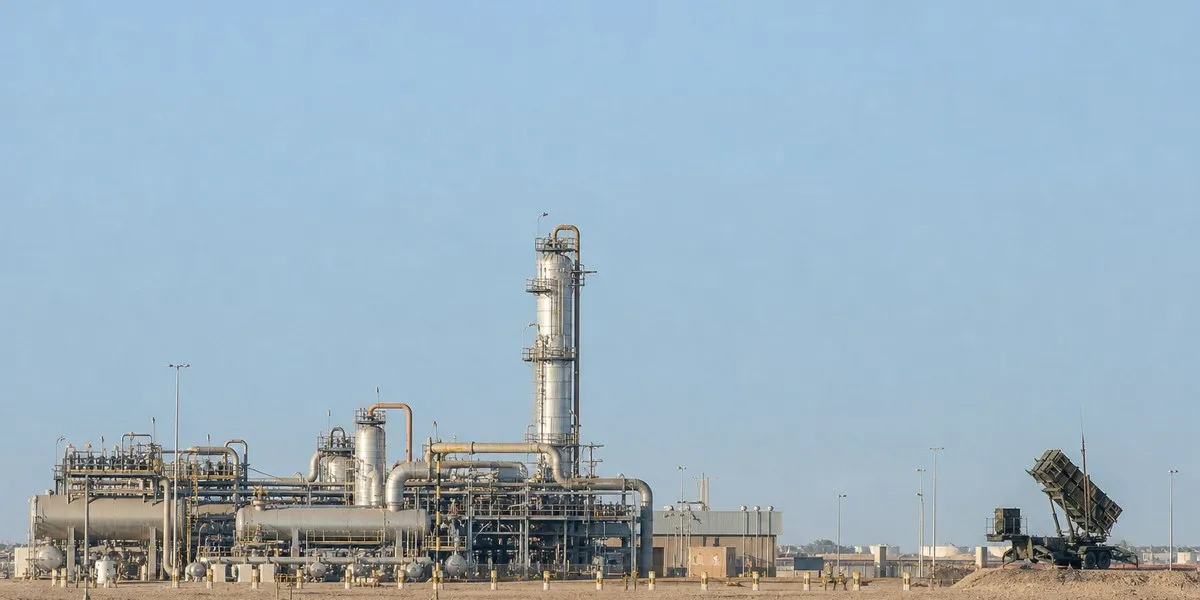
The United States has recently bolstered its military presence in the Middle East by deploying two additional Patriot missile batteries to safeguard energy facilities in Saudi Arabia and Qatar. This strategic move underscores heightened tensions and the possibility of renewed US military operations against Iran, as noted by various reports.
Enhancing Security for Energy Infrastructure
The deployment of these missile batteries is part of an initiative to enhance the protection of critical energy sites in the region. One battery was dispatched to Saudi Arabia last month, focusing on a vital oil facility, while the other was sent to Qatar, where it will safeguard a gas facility. Official sources indicate that these deployments serve to assure both nations of the US’s commitment to defending their energy infrastructure amid increasing geopolitical uncertainties.
In a recent statement, US President Donald Trump hinted at the prospect of reinitiating military actions against Iran. On October 2, he conveyed a firm message about the urgency of a deal with Iran, suggesting a decisive military response could follow if diplomatic avenues fail. This assertion indicates the deteriorating relations between the US and Iran and underscores the strategic importance of US military assets in the region.
Reactions from Regional Leaders
Reports have surfaced revealing that both Saudi and Qatari leaders appealed to Trump in early August to refrain from initiating large military attacks on Iran. Their concerns primarily revolved around the potential for Iranian retaliation targeting oil and gas facilities, critical to their economies. This plea appears to have influenced the decision to pursue increased economic sanctions instead, rather than military confrontation at this stage.
The dynamics around military operations in the region are complex. US officials have emphasized that any large-scale operations would require Saudi cooperation to utilize their airspace. Without assurances for the safety of oil infrastructure, it is unlikely that Riyadh would permit further actions. Meanwhile, US Central Command has yet to provide detailed comments regarding these plans.
Increased Military Presence in the Region
In addition to the missile batteries, the US is also reinforcing its military presence with additional warships, fighter jets, and ground troops. The aircraft carrier USS Theodore Roosevelt, accompanied by its strike group, has recently departed San Diego and is expected to arrive in the Middle East around mid-November. There is ongoing uncertainty regarding whether this carrier will replace existing forces or represent an expansion of US military capabilities in the region, with officials weighing their options.
Moreover, the Makin Island Amphibious Ready Group, which includes thousands of Marines from the 13th Marine Expeditionary Unit, has also commenced transit and is projected to reach the area by late November. This influx of military resources reflects the US commitment to securing its strategic interests and ensuring stability in a volatile region where energy resources are paramount.
As global energy dynamics continue to shift, the added military deployments signify the US’s determination to protect not only its allies but also vital energy infrastructures that play a crucial role in the global economy. These developments will be closely monitored as tensions persist in the Middle East.